When it comes to food prep, I am usually seriously lazy. Living on my own and eating out a lot can mean a lot of waste, so I tend to buy pre-prepared fruit and vegetables to minimise that waste where I can. When eating out is no longer part of my routine, though, I need to think a little differently about what I keep in the kitchen.
My social life is really important to me, and restaurants are a big part of that. But behind a meal out are the restaurant staff, their suppliers and all the people who help keep things running. Losing that trade affects far more people than we see across the table. That is why a home fruit and vegetable box from a local supplier appealed to me: it was a practical way to stock up while supporting a business connected to the hospitality industry.
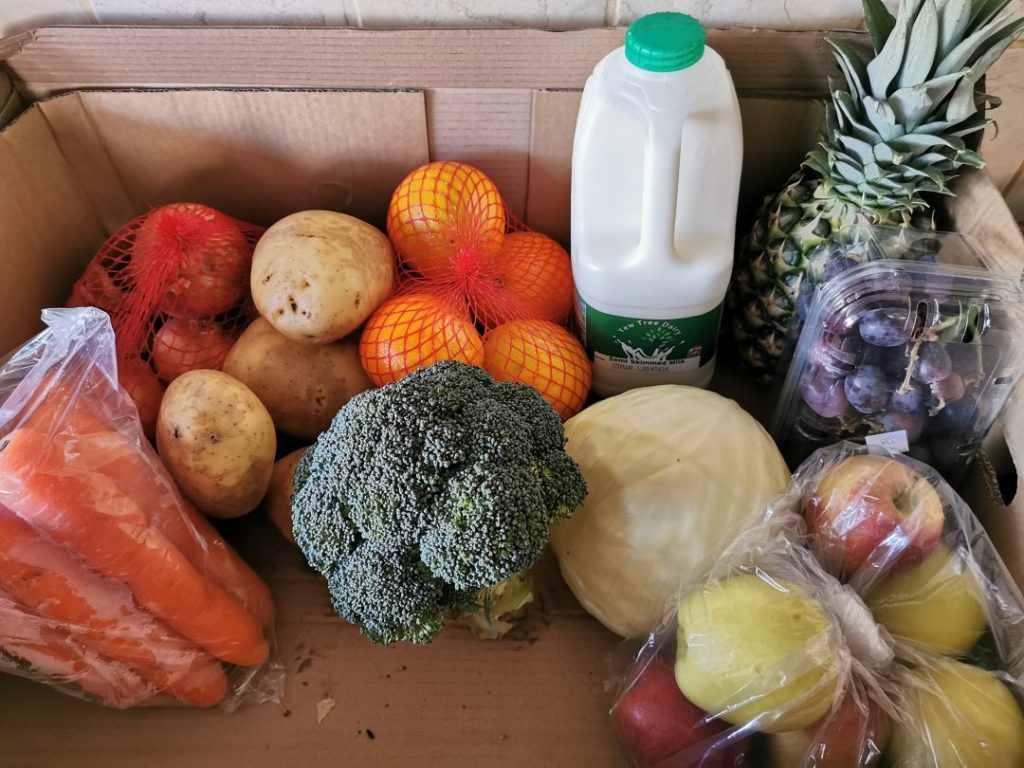
My fruit and vegetable box from Noones
Noones Fresh is a family-run fresh produce provider supplying the Greater Manchester area. Their home boxes brought some of that produce directly to people cooking for themselves. My box cost £25, and there was so much in it that it actually arrived in two crates. That is the price of my own order, rather than a promise about what a box will cost when you enquire.
The collection point given for my order was their warehouse in Bredbury, Stockport. The delivery offer at the time covered SK1–SK6 and FY1–FY4 free of charge, with the possibility of arranging deliveries further afield where several orders could be grouped together. Before making plans around those details, ask Noones to confirm the collection arrangements, delivery coverage and any charge for your particular address.
It is also worth checking how much notice they need and what happens if you cannot be at home. A large box of fresh food needs somewhere suitable to go, especially when it includes milk, butter or eggs. If you are collecting, take enough bags or boxes to carry everything comfortably from the car to the kitchen.
What was in my order?
Contents are likely to vary depending on demand and availability, but mine had a really useful mix of fruit, vegetables and salad items. There were carrots, broccoli, onions, two punnets of cherry tomatoes, peppers, cabbage, mushrooms, lettuce, cucumber and some massive potatoes. The fruit included bananas, oranges, grapes, a pineapple and lots of apples.
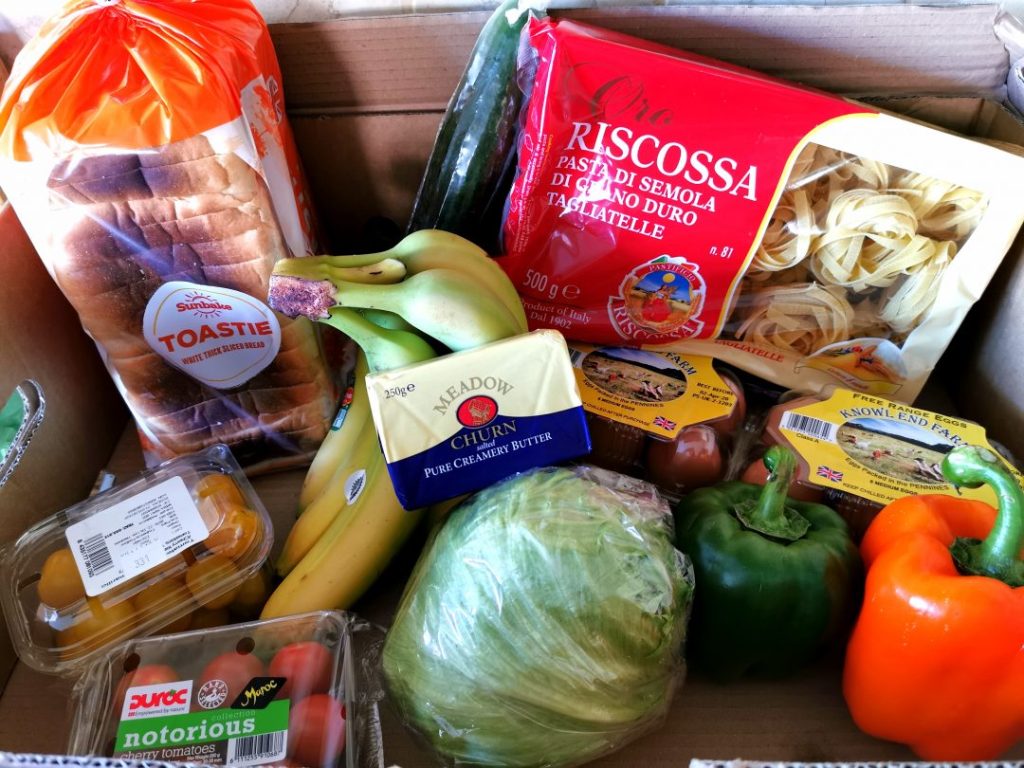
There were household staples too: a dozen eggs, a packet of linguine, two litres of milk, fresh butter and a loaf of bread. Those extras made it much easier to see actual meals in front of me, rather than just a pile of vegetables waiting for me to become a more enthusiastic cook.
I was not sure I could have bought everything for less than £25 at my local supermarket. That was my impression of this particular order, not a like-for-like price comparison. The real value depends on what is included and how much you will use. A generous box is only a bargain if its contents end up on your plate.
Check the practical details before ordering
If you live alone, ask about the size of the box before committing. Find out whether a smaller option is available, whether you can request substitutions and whether staples are included or ordered separately. Do not assume that milk, bread and eggs will appear just because they were in mine.
If you have an allergy or need a particular type of milk, bread or pasta, check those items explicitly. A mixed produce box is convenient, but it does not replace checking labels and confirming that any extras suit you. If substitutions are not possible, sharing an unwanted item with someone else may be more practical than letting it sit unused.
Unpack with a plan
My first job would be to clear a little fridge space before collecting or accepting delivery. Once the box is home, put the milk and butter away promptly, check packaging and dates, and look over the fruit and vegetables. Anything bruised, very ripe or starting to soften should move to the front of the cooking queue.
- Use the delicate things first: lettuce, mushrooms, ripe fruit and anything that looks ready to eat deserve attention before the sturdier vegetables.
- Keep potatoes and onions somewhere suitable: choose a cool, dry, dark and ventilated space, with potatoes separate from onions where possible.
- Leave some preparation until mealtime: wash produce before using it, and dry salad leaves well so you are not putting a wet heap back in the fridge.
- Keep a visible list: a note of what needs using saves you buying more tomatoes while two punnets are already waiting at home.
Follow storage instructions on packaged items, and do not rely on appearance alone to judge foods such as milk. For loose produce, regular checks help you spot something deteriorating before it affects the rest of the box.
Easy meals from the same ingredients
I would start with the linguine, mushrooms, peppers and cherry tomatoes. Put the pasta on, soften sliced vegetables in a little butter or oil, then add halved tomatoes until they release some juice. Toss everything together with a splash of the pasta cooking water. Cook only the pasta you want for that meal and keep the remaining dry pasta for another day.
The large potatoes are an obvious starting point for another dinner. Bake one until tender and serve it with cooked broccoli or cabbage, adding butter to taste. If the potatoes are awkwardly large for a single portion, cut them into wedges instead. Carrots, onions and peppers can join them in a roasting tin; cut firmer vegetables smaller so they have a chance to cook through alongside the softer ones.
Eggs turn a few leftover vegetables into a quick lunch. Cook sliced mushrooms or peppers first, then add beaten eggs for a simple omelette. Serve lettuce, cucumber and tomatoes alongside it. Keep the salad undressed until you are ready to eat, particularly if you are preparing enough vegetables for more than one meal.
Fruit needs very little effort. Grapes and oranges are easy snacks, while pineapple is worth cutting when you have a few minutes rather than leaving it untouched because it looks like a job. Refrigerate cut fruit in a covered container and use it promptly. Apples can be sliced into porridge or gently cooked with a splash of water if you fancy something warm.
Make a big box work for one person
Freezing is useful when enthusiasm and appetite fail to match the quantity. Slice spare bread and freeze it in portions you can take out individually. Peel and portion ripe bananas for freezing, ready to blend or use in baking. Prepare vegetables appropriately before freezing; broccoli, for example, benefits from blanching and cooling first.
Another option is to split an order with a friend or neighbour before it arrives. Agree how to divide both the produce and the cost, and remember that the contents may change. For me, Noones offered a generous starting point for eating at home and a welcome way to support a local food business. A little planning makes that generosity much easier to enjoy, even for a lazy cook living alone.