Europe on a $10 daily food budget sounds impossible, especially when you start looking at restaurant menus in Zurich or Oslo. It is a tight target, and it will not work equally well everywhere. But replacing the restaurant-and-cafe routine with supermarket breakfasts, carefully chosen lunches, and simple dinners gives you a much better chance of eating well without spending your sightseeing money.
The trick is to treat $10 as a food budget you actively manage, not a promise that every destination offers three cheap meals out. Convert it into local currency before shopping, using the exchange rate available to you, and count snacks and drinks too. Your accommodation, appetite, and access to a kitchen all affect how far it stretches.
Rule 1: Breakfast Comes From the Supermarket, Not the Cafe
A croissant and cappuccino at a Paris cafe can be a lovely travel moment. Make it a deliberate treat, though, rather than the automatic start to every day. For everyday breakfasts, compare the supermarket bakery section with packaged bread, oats, yogurt, and fruit. A pastry alone may leave you hungry before lunch; adding yogurt or another filling food makes the meal more useful.
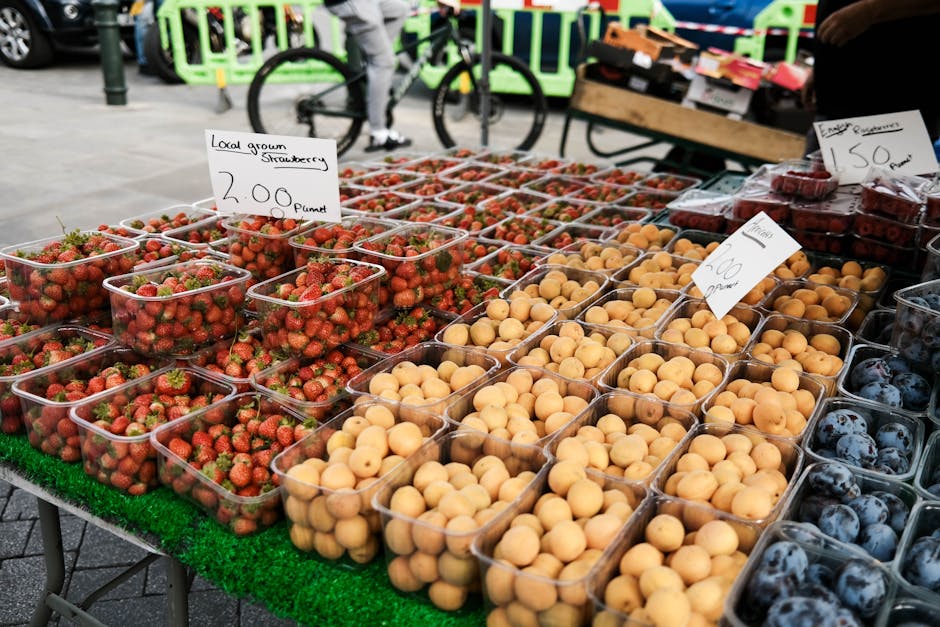
Look for chains such as Carrefour in France, Mercadona in Spain, Lidl where available, or Biedronka in Poland. These are places to compare options, not guarantees of a particular price. Small convenience branches near major sights may have a different selection from larger neighborhood stores.
- With a fridge: buy plain yogurt, fruit, and bread you can finish during your stay.
- With a kettle: choose oats suitable for preparing with hot water, following the packet instructions.
- Without kitchen access: buy a bread roll, whole fruit, and a single serving of something filling that you can eat immediately.
Check unit prices and package sizes. A large tub is only a saving if you can store it safely and finish it. Before checkout, think about tomorrow’s breakfast too: buying once can save another hungry detour through the station cafe.
Rule 2: Lunch Is the Value Meal
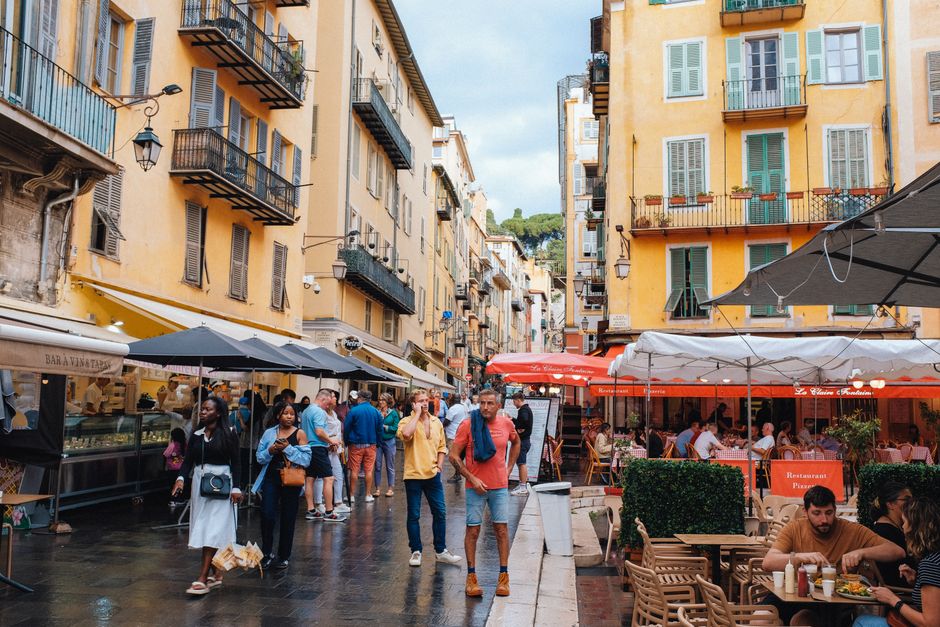
If you want a restaurant meal, investigate lunch first. Look for a menu del día in Spain, a plat du jour in France, or a pranzo di lavoro in Italy. These terms can point you toward a set lunch or daily dish, but they do not guarantee the same inclusions or a bargain. Read the actual menu before sitting down.
Check whether the displayed amount covers one dish or several courses, whether drinks are included, and whether bread or service costs extra. Ask when the lunch offer applies; a board outside does not necessarily mean the deal runs all afternoon. If you are unsure, confirm the total for your intended order.
Make lunch your main meal when the numbers fit, then keep dinner simple. On a strict $10 day, even a good-value set lunch might consume too much of your allowance. In that case, choose a filling takeaway, a bakery sandwich, or a supermarket picnic, and save the restaurant lunch for a day with more room.
Step away from the immediate entrance to a famous attraction and compare a few posted menus. You do not need to trek across town for lunch: extra transport costs can swallow the saving. Look near where you already plan to walk.
Rule 3: Bakeries and Market Halls Replace Dinner Restaurants
Bakeries are useful for bread, sandwiches, and savory pastries when you want dinner without table service. Some reduce selected items toward closing, but discounts and availability vary. Ask politely, compare what remains, and have a backup. Arriving hungry just as the shutters come down is a poor meal plan.
Build a meal rather than collecting snacks. Bread with cheese or hummus, a tomato, and a piece of fruit is an easy starting point. A savory pastry can work alongside vegetables or yogurt, depending on what is available and what you enjoy. Choose portions that match your appetite, particularly after a long walking day.
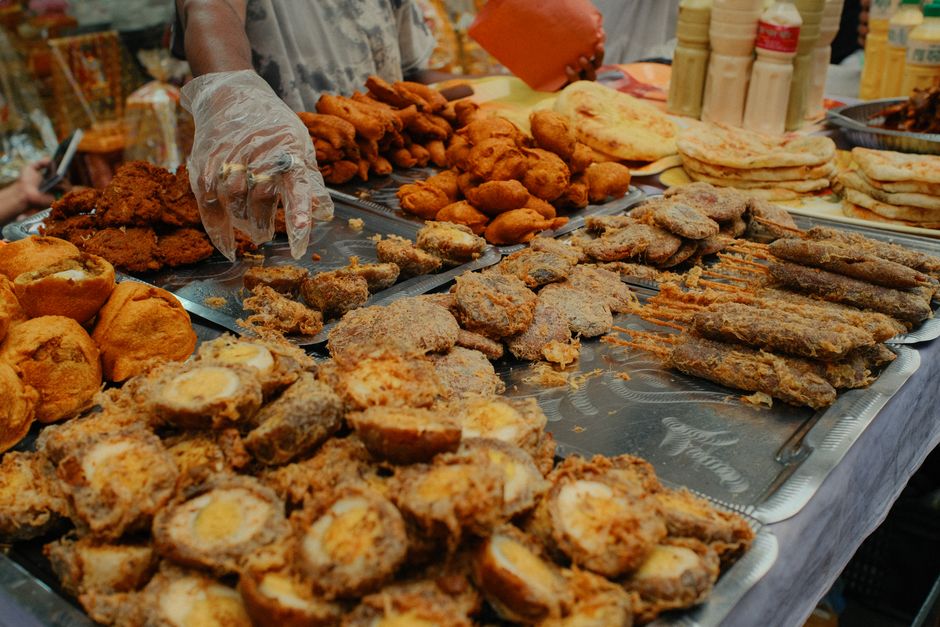
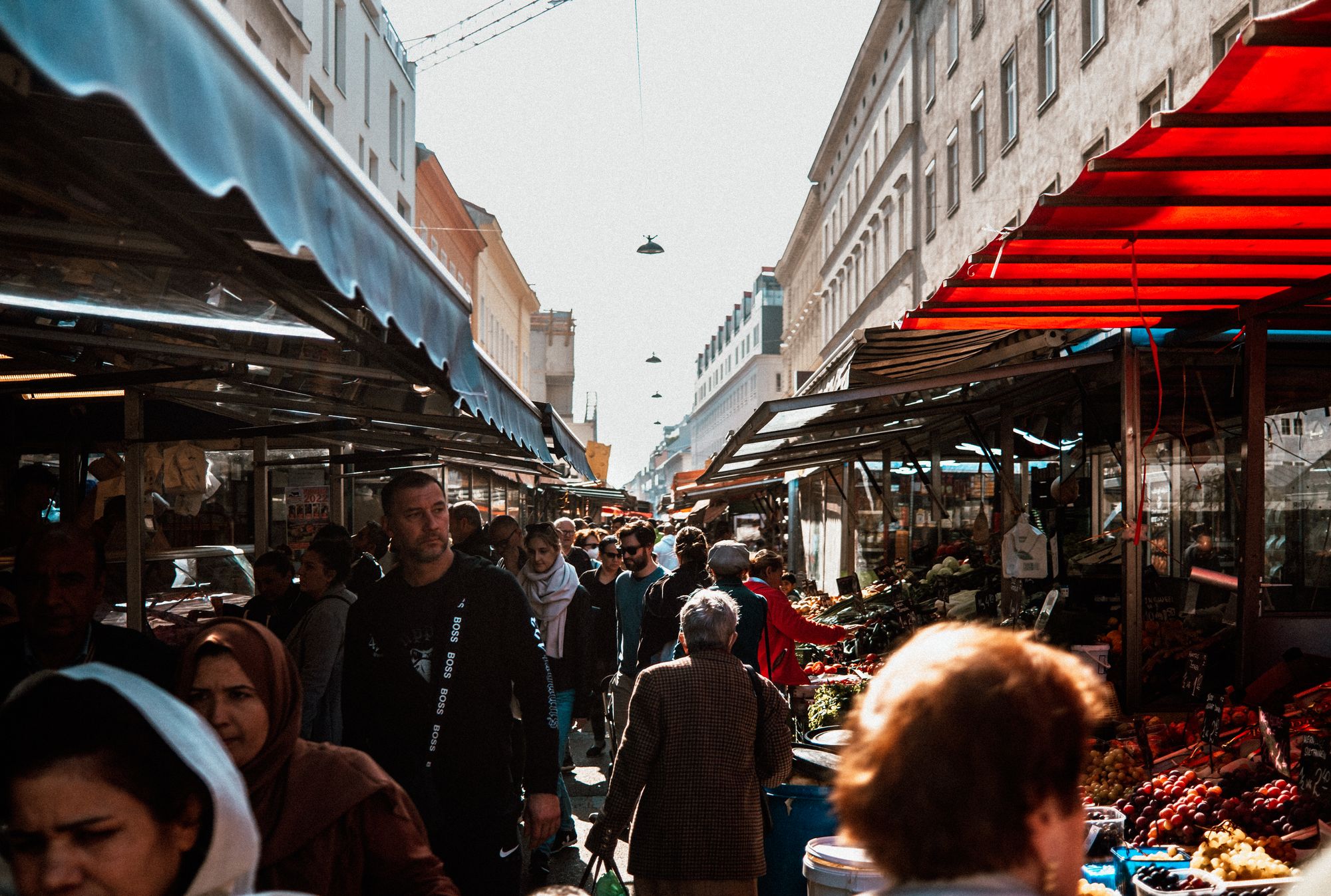
Market halls can also help, but a famous food market is not automatically a budget destination. La Boqueria in Barcelona, Naschmarkt in Vienna, and Markthalle Neun in Berlin are places to browse and compare, rather than assume every prepared plate will fit your allowance. Check posted prices and distinguish stalls selling ingredients from those selling ready-to-eat meals.
If everything looks expensive, buy only what makes sense and get the rest elsewhere. Carry a reusable bag and a spoon or fork so a picnic remains practical. Eat where permitted, take your rubbish with you, and buy chilled food close to mealtime if you cannot keep it cold.
Rule 4: Stretch Restaurant Spending Further in Eastern Europe
The original idea behind this rule is useful: where you travel matters as much as what you order. Parts of Eastern and Central Europe may offer more room in a small food budget than expensive Western European destinations. But “half the price” is not a reliable rule for every meal, city, or neighborhood.
In Poland, the Czech Republic, Hungary, or Romania, compare local lunch places, simple canteens, bakeries, and supermarkets just as carefully as you would elsewhere. A restaurant beside a major landmark can still stretch your allowance. Likewise, a supermarket meal in a costly city may be a better choice than a tourist-focused restaurant in a cheaper destination.
If your route includes both regions, leave more of your restaurant experiences for places where the menus suit your budget. Keep supermarket meals as your dependable option in expensive stops. Judge the actual menu in front of you, and avoid turning a broad regional comparison into permission to stop checking prices.
Rule 5: Cook One Meal Per Day at Your Accommodation
Kitchen access makes this budget easier, especially when you cook dinner and leave lunch open for eating out. Before booking a hostel or apartment, check what “kitchen” means. A kettle and microwave offer different possibilities from a stove, fridge, pans, and usable utensils. Check access hours and whether guests have space to store groceries.
Keep the shopping list short. Pasta with tomato sauce and beans, eggs with bread and vegetables, or couscous prepared according to its instructions can make straightforward meals. Choose ingredients that overlap: tomatoes can go into dinner and tomorrow’s sandwich, while bread can cover breakfast and a picnic.
Check the shared shelf before buying oil, salt, or spices, but only use items clearly offered for communal use. Label your food, clean up afterward, and follow storage instructions. If you are moving on tomorrow, a smaller package may make more sense than a large one that leaves you carrying leftovers without refrigeration.
Include the accommodation cost in your decision. Paying substantially more for a kitchen can outweigh the food saving on a short stay. If you already have access, however, one simple cooked meal is a practical way to keep the day’s spending under control.
A $10 Day in Lisbon: Build It From the Receipts
A pastel de nata and espresso, a full tasca lunch, and a bifana with beer make an appealing Lisbon food day. They should not be presented as a guaranteed $10 itinerary. Instead, decide which experience matters most, check its price, and plan the other meals around what remains.
- Breakfast: eat supermarket bread, yogurt, and fruit, choosing quantities you can finish.
- Lunch: compare a neighborhood tasca’s menu do dia with your remaining allowance. If it does not fit, have a picnic and plan the tasca for another day.
- Dinner: cook with ingredients already purchased, or compare a simple sandwich with supermarket options. Count any drink separately.
Keep a running total on your phone, including coffee, pastries, and groceries bought for later. Carry drinking water from a source confirmed safe to drink. If $10 leaves you hungry, increase the allowance rather than skip a needed meal. Eating well on a small budget means making deliberate choices while still enjoying the place you came to visit.