A market-focused stay in Oaxaca works best when your room supports the hours you actually keep. You might leave before breakfast, return with fruit and bread, then head out again after a rest. A guesthouse that looks appealing in photographs can become awkward if its gate opens late, its kitchen is decorative, or every conversation in the courtyard reaches your pillow.
For this kind of visit, I would choose practical arrangements before decorative details. Start with the markets you want to explore, check the walk from the actual entrance, and ask how the property handles food, early departures and bags after checkout. Those answers tell you more than a general promise of a convenient location.
Build a small market plan before choosing a room
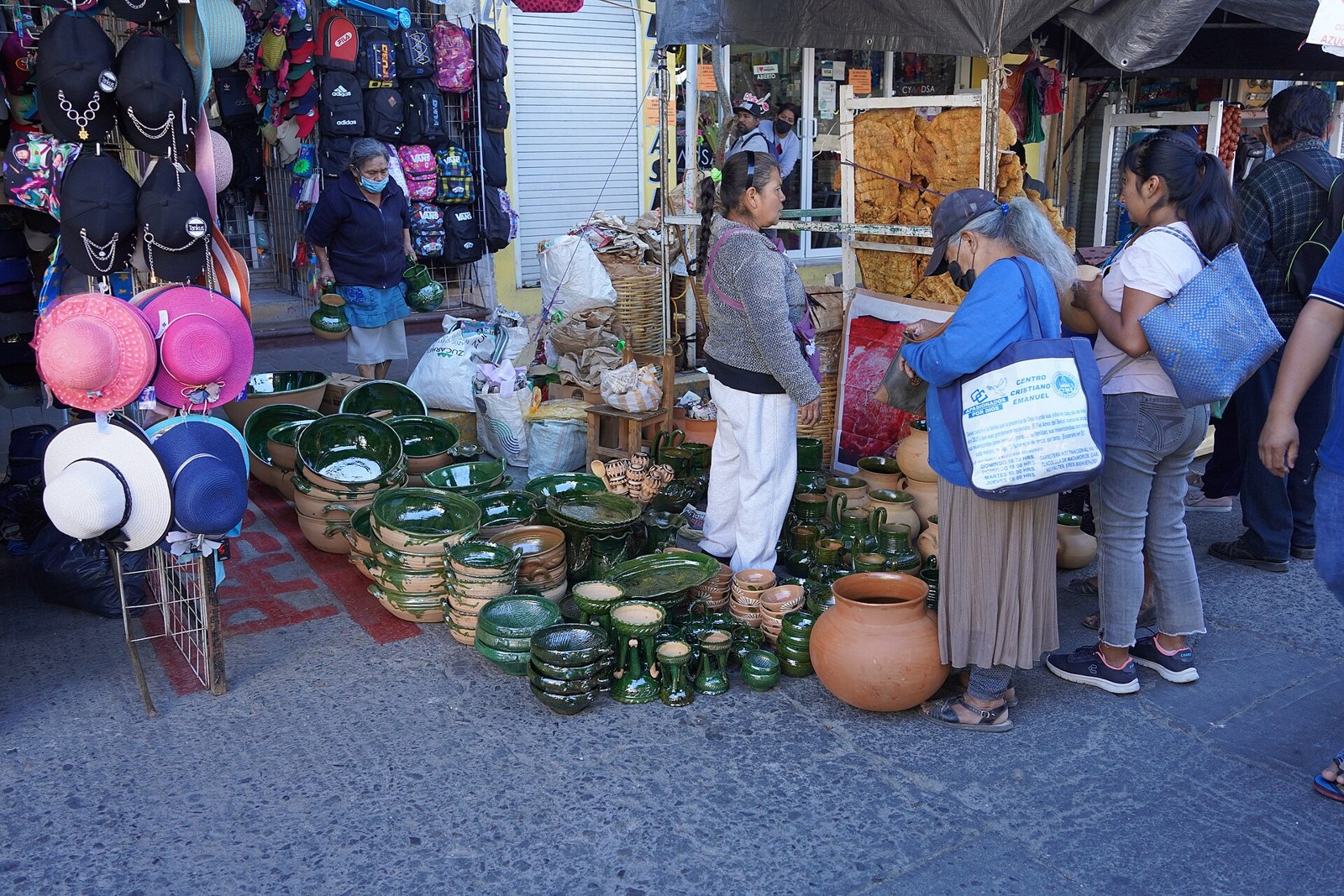
Separate your plans into central market visits and trips that require transport. Mercado Benito Juárez and Mercado 20 de Noviembre are familiar reference points in central Oaxaca, but they should be starting points for your planning, not guarantees that every nearby street or guesthouse suits you. Decide which entrances and surrounding streets matter for your intended visits.
If you also want to visit a market outside the city, such as Tlacolula, treat that as a separate journey. Ask locally about the relevant market day, current transport arrangements and the return trip. A central room may help with city walks without being particularly convenient for your departure point outside the centre.
Sketch two realistic mornings rather than an ambitious checklist. One could involve breakfast at a market followed by browsing; another might involve an excursion and a late return. This makes your accommodation questions specific: can you leave early, refill water, store food safely and collect your luggage afterwards?
Check the walk, not just the map pin
“Near the markets” is too vague to book on. Ask for the guesthouse entrance location and trace the route to your chosen market entrance. A short-looking route can feel different when you are carrying purchases, navigating busy crossings or returning in rain. Your comfortable walking distance matters more than someone else’s description of a quick stroll.
Look for a route you would willingly repeat twice in a day. You may want to drop off purchases before lunch or return for a rest. Check whether that walk passes useful everyday stops, such as somewhere to buy drinking water, without turning those conveniences into a reason to overlook an unsuitable room.
Do not assume the route feels equally comfortable at every hour. Ask the host which streets they recommend for an early departure or an evening return, and make transport an option when needed. If you arrive with a suitcase, also ask whether a vehicle can stop at the door and whether there are steps between the entrance and your room.
Find out what the courtyard sounds like
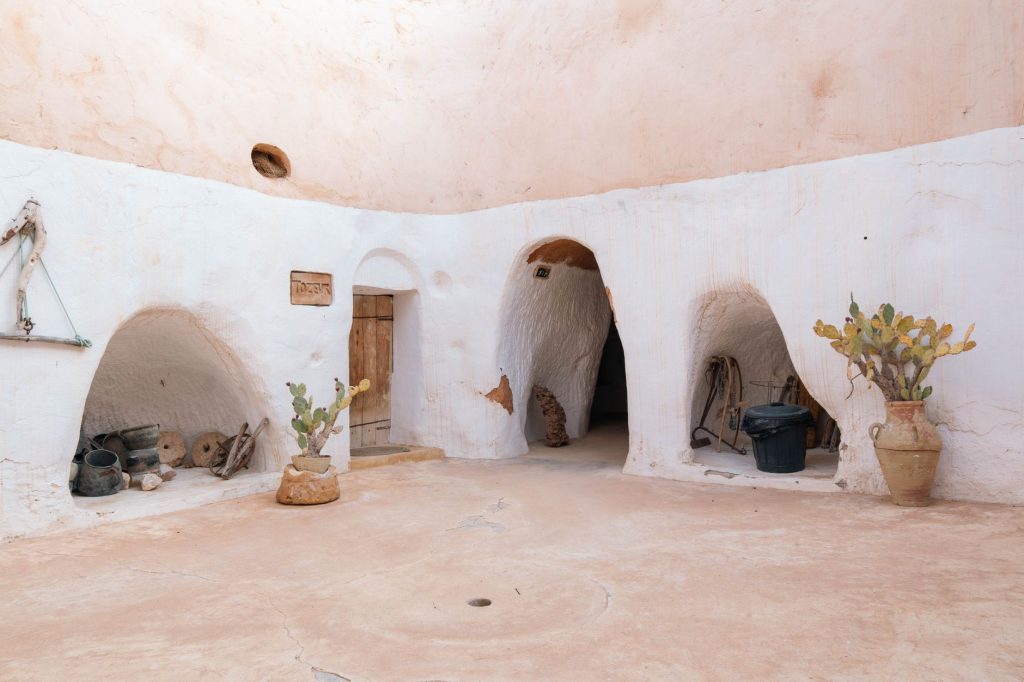
A courtyard can be a lovely place to sit with coffee and sort through purchases. It can also be the property’s breakfast room, reception area and main passageway. When bedrooms open directly onto it, the position of your door and windows deserves as much attention as the courtyard photographs.
Ask what happens there and when. Are breakfasts prepared outside the rooms? Do guests gather in the evening? Does an entrance buzzer sound nearby? Is the kitchen on the other side of your wall? Someone hoping to sleep early before a market excursion may find ordinary social noise more disruptive than expected.
- Request a room away from shared tables, reception and the main gate if you are sensitive to noise.
- Ask whether bedroom windows face a shared passage and whether they can close securely.
- Check whether quiet hours apply to both guests and staff activity.
- Confirm the room assignment when booking; a general preference is not the same as a confirmed room.
Recent guest comments can help you identify questions, but read them in context. A sociable courtyard may be exactly what another traveller enjoyed. Rather than asking whether the property is quiet, explain your intended bedtime and departure time and ask which room fits that routine.
Clarify what kitchen access actually includes
A kitchen listing can mean anything from permission to make tea to full use of cooking equipment. Before imagining dinners made from market purchases, ask whether overnight guests may cook, which hours apply and whether there is a charge. Also check whether the kitchen is shared with the household or reserved for breakfast service at certain times.
Match the facilities to what you will realistically do. For bread, fruit and a simple breakfast, a clean preparation area, appropriate utensils and washing facilities may be enough. Cooking a meal requires more: usable pans, a working hob, permission to use it and time to clean up without blocking everyone else’s dinner.
Refrigerator access needs its own question. Ask whether there is allocated guest space, how food should be labelled and whether you can leave anything there after checkout. Buy perishables only when you can keep them safely, and ask about drinking water and suitable water for food preparation rather than assuming every tap or jug serves the same purpose.
Keep your first purchases modest until you have seen the setup. A market visit does not need to become a cooking project to be worthwhile. If the kitchen is limited, choose food you can enjoy appropriately during the visit and leave ambitious shopping until you know what storage and preparation are possible.
Arrange luggage around market day
The awkward moment often comes on departure day: checkout is before your excursion ends, while your onward journey is later. Settle that gap before booking. “We can keep your bags” should lead to a few practical details, especially in a small guesthouse where reception may not be staffed throughout the day.
Ask where bags are stored, who can access that space and when you can collect them. Confirm whether collection requires a staff member to be present and what happens if your return is delayed. Keep travel documents, money and valuables with you or make separate arrangements you are comfortable with.
Distinguish luggage storage from continued use of the property. Leaving a suitcase does not automatically include access to a bathroom, kitchen, refrigerator or courtyard after checkout. If you expect to return carrying food, ask whether you can collect refrigerated items and repack purchases before leaving.
On an excursion day, allow a buffer between your expected return and onward transport. Avoid making a particular connection depend on a perfectly timed market visit. If the guesthouse cannot accommodate your collection time, it may be simpler to adjust the day’s plan than to spend the visit watching the clock.
Send one clear message before paying
Gather the important questions into a short message with your dates and likely routine. This gives the host something concrete to answer and makes it easier to compare suitable properties without building a huge accommodation shortlist.
I’m planning a stay centred on market visits, with early starts and one excursion outside the city. Could you confirm the entrance location, a room away from courtyard gatherings, kitchen and refrigerator access, and luggage storage after checkout? I would also like to know the latest bag collection time and how early gate access works.
Follow up on unclear answers before committing, then check the total cost, payment arrangements and cancellation terms. Save the agreed details with your booking. The right guesthouse is one where the walk, room position and household arrangements fit your market days, leaving you free to browse without worrying about a locked gate or a suitcase you cannot collect.