A weekend in Madrid is hardly enough time to see all that the city has to offer. However, if it is not your first visit to Spain’s capital, you might already be thinking about day trips. Small towns around Madrid offer traditional Castilian charm, while El Escorial combines a magnificent historical residence with great works of art. For two particularly rewarding excursions, though, I would make time for Toledo and Segovia.
Give each city its own day and return to your accommodation in Madrid between visits. This keeps your luggage in one place and leaves you free to explore on foot. Trying to squeeze both into a single day means spending too much of it moving between places and too little enjoying their streets, buildings and food.

Plan the journey before leaving Madrid
High-speed trains make both trips manageable, but compare the whole journey rather than just the time on the train. Include travel from your accommodation to the departure station, a comfortable margin for boarding, and the transfer into the historic center at the other end. Check your departure station on the ticket: services for Toledo and Segovia do not necessarily leave from the same Madrid station.
Book a return journey that gives you breathing room after lunch and sightseeing. Popular departures can fill, so avoid relying on buying the last convenient train home when you arrive at the station. Buses are another option worth comparing, especially if keeping costs down matters more than the shortest journey. Check where they arrive and how you will reach the sights before choosing.
Wear shoes with a good grip, carry water and take a light layer appropriate to the weather. Both cities reward walking, but hills, steps and uneven paving can turn an ambitious itinerary into a tiring afternoon. Choose a few interiors you really want to see and leave time for wandering between them.
Toledo: history around every corner
Toledo is one of Spain’s most beautiful cities, with an architectural heritage shaped by cultures that have mixed and clashed throughout its history. Roman and Visigothic layers sit alongside the legacy of Muslim, Jewish and Christian communities. The pleasure of visiting is seeing those influences within a compact historic center, rather than treating each building as an isolated stop.
The high-speed train journey from Madrid takes roughly half an hour, but arrival at Toledo station is only the beginning. The old town stands uphill. Decide whether to walk or use local transport according to the weather, your mobility and how much energy you want to save for sightseeing. Keep the return trip downhill and onward to the station in mind when setting your final sightseeing stop.
Start with the cathedral and the Alcázar
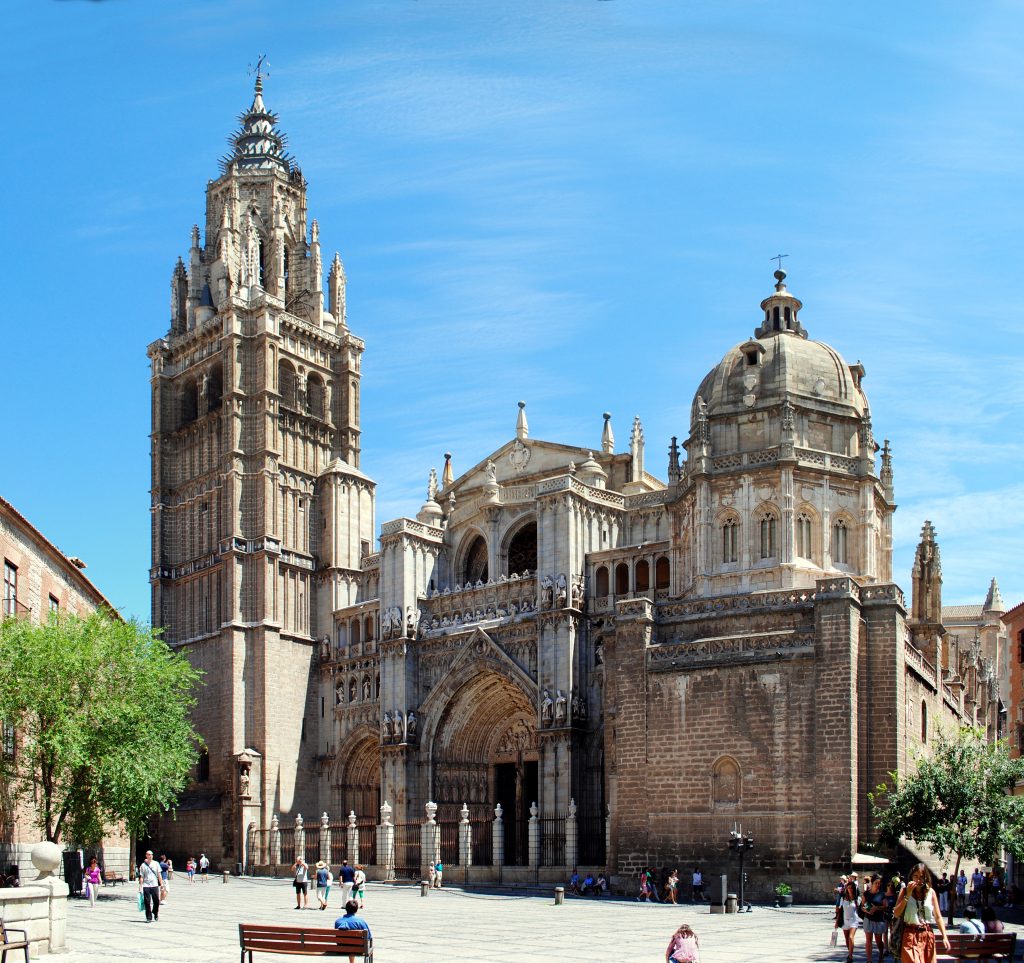
The Gothic cathedral is a natural starting point, with an intricate interior that deserves an unhurried visit. Check admission arrangements and visiting hours before building your day around it, since a working religious building may have access restrictions. If your budget allows for only a few paid sights, choose them in advance rather than buying admission at every doorway.
The Alcázar occupies a commanding position at the high point of Toledo. Its imposing exterior makes it a useful landmark as you find your way around. The complex houses the Army Museum and the Library of Castilla-La Mancha, but these are different visits with their own access arrangements. Decide whether the museum fits your interests before allocating a large part of the day to it.
Explore Toledo’s different cultural layers
The Synagogue of El Tránsito is another rewarding stop. Its decorative detail may remind you of the Alhambra in Granada, and the museum helps put Toledo’s Jewish heritage into context. Allow time to look closely rather than simply stepping inside for a photograph. From here, continue through the surrounding streets at a slower pace.
The Mosque of Cristo de la Luz and the area around Puerta del Sol add another perspective on the city. A useful approach is to group nearby sights together on a map before setting out. Toledo’s winding lanes make wandering enjoyable, but repeatedly crossing the old town to chase individual attractions soon adds unnecessary climbing.
For El Greco, head to the Iglesia de Santo Tomé to see The Burial of the Count of Orgaz. Make this a deliberate stop if the painting is a priority; do not assume you will fit it in at the end of the afternoon. Check the visiting arrangements separately from those of other monuments.
Pause for lunch before you feel completely worn out. Compare menus on quieter streets as well as around the busiest squares, and check what a set menu includes before ordering. Leave a little unplanned time afterward to enjoy the lanes and views. Then return to Madrid for a caña with a tapa and a proper rest before your next excursion.
Segovia: the aqueduct, old town and Alcázar
Segovia is also accessible by high-speed train, although the Segovia-Guiomar station is outside the historic center. Factor in the onward bus or taxi journey when comparing it with other transport options. Keep enough time for that transfer on the way home, particularly if you plan a sit-down lunch or an afternoon palace visit.
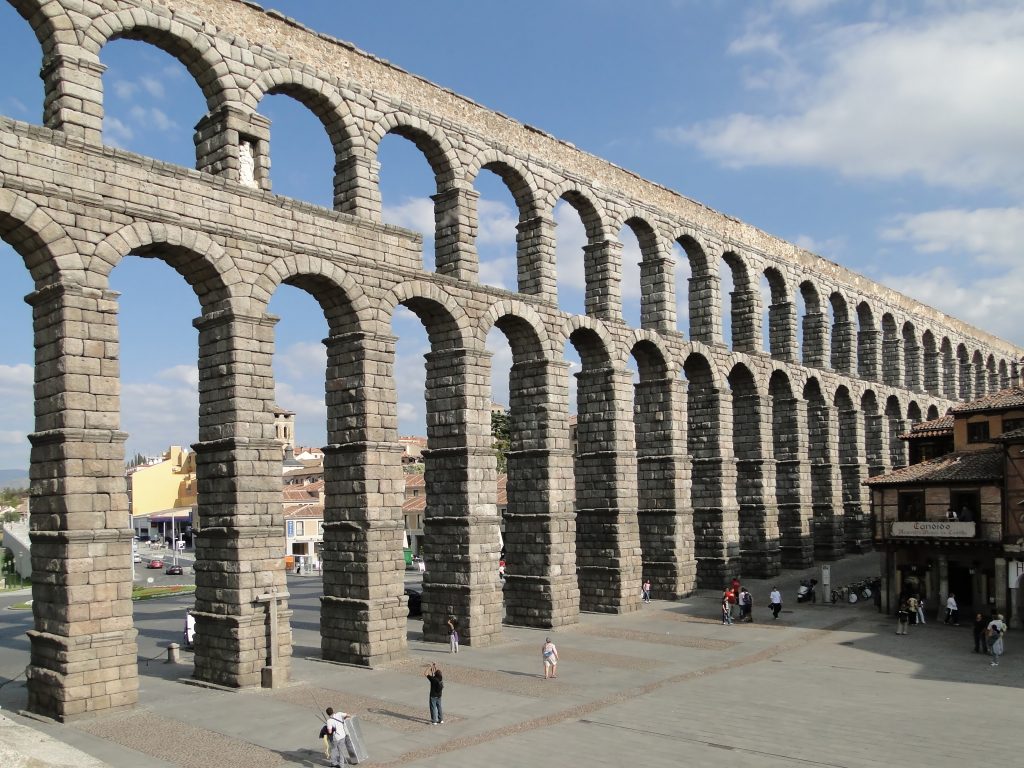
The Roman aqueduct is the obvious place to begin exploring. Its two tiers of arches dominate the approach to the old town, and seeing it from different angles is part of the experience. Stand back to appreciate its scale before continuing uphill. This is also a convenient point to get your bearings and decide how much walking the day will involve.
From the aqueduct, work your way through the old town toward Plaza Mayor and the cathedral, then continue to the Alcázar. This gives the day a simple shape without constant backtracking. Stop whenever a side street or square catches your attention; the route between the headline sights is part of Segovia’s appeal.
The Alcázar is one of Spain’s most distinctive palaces, with a dramatic position that makes the approach especially memorable. Check which areas your chosen ticket includes. If you are considering a tower climb, look into the steps and access requirements first, particularly if narrow stairs are difficult for you. You can still enjoy the main visit without making every optional section compulsory.
Make lunch part of the visit
Segovia is a wonderful place to try cochinillo, or roast suckling pig. Restaurante José María is a place to consider for this traditional meal. If eating there is an important part of your trip, check availability and reserve ahead rather than assuming a table will be waiting after sightseeing.
Before ordering, ask about portion sizes and accompaniments, especially if sharing. A substantial lunch needs time, so arrange your sightseeing around it instead of watching the clock throughout the meal. Travelers keeping spending modest can compare displayed menus nearby and choose a simpler lunch without missing the pleasure of eating in Segovia.
Decide whether La Granja fits
The Royal Palace of La Granja de San Ildefonso is a tempting excursion from Segovia, with grand rooms and formal gardens whose fountains invite comparisons with Versailles. However, it is outside the city and needs a separate transport plan. Check outward and return connections before committing, and do not assume the fountains will be operating whenever the gardens are accessible.
If you want a relaxed lunch and time inside Segovia’s principal monuments, save La Granja for another outing. If the palace and gardens are your main interest, shorten the city walk and give them a proper afternoon.
Back in Madrid
If you still have energy during your Madrid stay, consider the Convent of Las Descalzas Reales, between the Opera House area and Callao. Its collection of religious art makes a rewarding addition to the better-known sights. Check visiting arrangements before going, and give it a separate slot rather than depending on access after a long day trip. Toledo and Segovia already provide plenty to absorb, and Madrid deserves some unhurried time too.