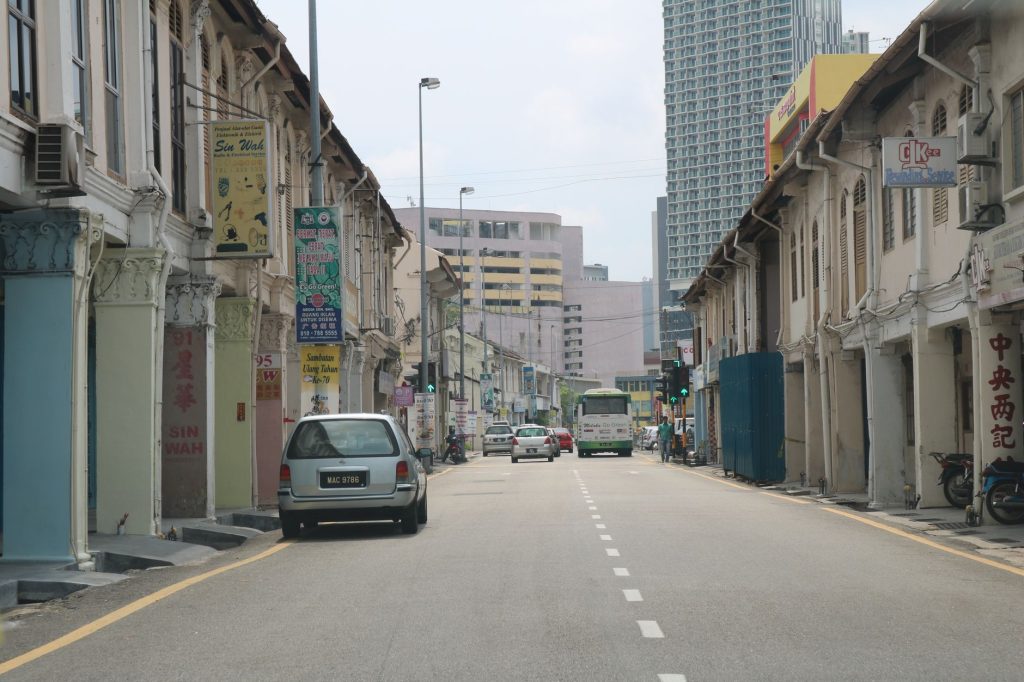
A Penang shophouse stay can put you close to street food, old trading streets and the everyday rhythm of George Town. The appeal is easy to see in photographs: tall shutters, patterned tiles and a narrow building that seems to stretch much farther back than its frontage suggests. What photographs rarely explain is how your bedroom cools down, how you reach it with a suitcase, or what separates your pillow from the next guest.
I would choose the room before falling for the courtyard. Heritage character and comfortable sleep can go together, but they depend on the layout and the way the property is managed. Before booking, get clear answers about three things: ventilation, stairs and sound. Then check whether the shared spaces support the kind of stay you actually want.
Start with the room’s position in the building
Shophouses are not a single accommodation type. A converted building might operate as a small hotel, a guesthouse with shared bathrooms, or a whole-house rental. Some retain internal courtyards or air wells; others have enclosed areas or altered partitions. A description such as “heritage room” tells you little about the practical arrangement.
Ask where your exact room sits: facing the street, beside an air well, in the middle of the building or towards the rear. Also establish what is directly above, below and outside it. A rear room might escape traffic but sit beside a kitchen or shared terrace. A central room might have no external window. Neither position guarantees quiet or comfort.
Request a simple floor plan if one is available. Otherwise, ask for photographs showing the window, door and route from reception. Confirm that these show the room category you will receive, rather than the property’s most spacious example. If room allocation happens on arrival, find out which features can be guaranteed in writing.

Separate daylight, fresh air and cooling
A bright room is not necessarily well ventilated, and a window does not necessarily open outdoors. It may face a covered corridor or internal shaft. Ask whether it opens, where it opens onto, and whether guests can use it without losing privacy. If opening it exposes the room to a shared passage, you may find that you keep it shut throughout your stay.
Penang’s warm, humid conditions make cooling an everyday comfort question. Check whether the room has its own air-conditioning unit and controls, whether a fan is provided, and whether cooling remains available whenever you occupy the room. If electricity depends on a key card, ask what happens while you are out; a room that heats up during the afternoon may need time to feel comfortable again.
- Does the air-conditioning cool the bedroom itself, or only part of a larger suite?
- For a mezzanine bed, does cool air reach the sleeping level?
- Is there an extractor in the bathroom, or a usable ventilation window?
- Can you close the bathroom door without blocking the room’s main airflow?
Fans can help you feel cooler, but they do not remove moisture. Likewise, an air well can admit light and air without making a bedroom comfortable on its own. Treat “naturally ventilated” as a description to investigate, especially if you struggle to sleep in warmth.
Look for signs of damp without overreading photographs
Peeling paint or a stain in a photograph does not establish the condition of a building. Still, repeated guest comments about musty bedding, damp walls or bathrooms that never dry deserve a direct question. Ask how the property handles moisture in that particular room and whether another room is available if there is a problem on arrival.
For a longer stay, think about wet towels and rain-soaked clothing too. Find out whether there is a suitable drying area or laundry arrangement. Hanging everything across a small bedroom can make an already humid space less pleasant.
Count the stairs before counting the beds
“First floor” can be interpreted differently by travellers and booking platforms. Ask how many flights you must climb from street level, whether there is a lift, and whether there are additional steps inside the room. A duplex photograph may hide a steep ladder-like staircase to the bed.
Useful details include the presence of handrails, changes in step height, lighting and space on landings. If mobility affects your choice, explain what you need in concrete terms. “Can reach the bedroom without any steps” is clearer than “easy access”. Check the bathroom route as well: a ground-floor bedroom is less useful if its shower requires stairs.
Consider luggage and night-time habits. Could you carry your bag up the route shown? Would you feel steady going down to a shared toilet half asleep? Families should ask about stair gates and open landings rather than assuming that a family room has been adapted for small children. Confirm any luggage assistance and its hours before relying on it.
Ask what you will hear after dark
A shophouse’s narrow footprint can bring bedrooms close to corridors, stairs and common rooms. Depending on the conversion, sound may travel through timber floors, doors or lightweight partitions. Ask about the surfaces and layout rather than expecting “heritage” to mean either noisy or peaceful.
Street-facing rooms may pick up passing vehicles and conversations. Elsewhere, likely sources include guests returning through the entrance, breakfast preparation, plumbing and people using a shared lounge. Ask what occupies neighbouring premises and whether any current building work affects the property. Conditions can differ between rooms in the same house.
Read reviews for patterns that match your sleeping hours. Someone who stays out late may barely notice an evening disturbance that matters greatly to an early sleeper. Equally, a complaint about morning activity may be irrelevant if you plan to leave for breakfast early. Look for descriptions of the noise and the room position, not just a numerical score.
Quiet hours help only when someone enforces them. Ask who handles disturbances overnight and how guests contact that person. Earplugs can be a useful backup, but I would not use them to justify booking a room beside a busy social area when uninterrupted sleep is the priority.
Check how the shared spaces actually work
A courtyard lounge looks inviting until you discover that every conversation takes place outside your door. Establish when shared areas open, whether visitors are allowed and where smoking is permitted. Ask whether breakfast tables, drinks service or communal seating sit beneath bedroom windows or beside an air well connected to your room.
With shared bathrooms, check how many rooms use them, where they are and whether you need to cross an exposed or public area. For any room type, confirm overnight entry arrangements. A locked entrance needs a workable access method, particularly if reception is not staffed throughout the night.
Send one focused message before paying
A short, specific enquiry is easier to answer than a request for reassurance that the property is “comfortable”. Adapt this to your needs:
I’m considering this room and would like to confirm its position, what its window opens onto, and whether it has individually controlled air-conditioning. How many flights of stairs lead to it, and are there steps inside? Is it beside a shared space or a regular source of evening or early-morning noise? Quiet sleep matters to me, so please suggest the most suitable available room.
Keep the reply with your reservation and check the cancellation terms before committing. If the answers remain vague, choose another room or property. The right shophouse stay is one whose charm you can enjoy comfortably: a manageable route to bed, cooling that suits you, and surroundings that let you sleep.