You booked a cheap hotel in Kyoto, but now you’re staring at a map wondering if you can actually reach Nara, Osaka, and that bamboo forest in one day. You can’t. And trying will cost you both money and sanity. This guide covers ten realistic day trips from Kyoto, with exact train times, costs, and what to actually do once you get there. No sugarcoating.
Nara: The Deer Are Not the Only Reason to Go
Nara is the most popular day trip from Kyoto for good reason. It’s 45 minutes by Kintetsu Limited Express (¥570, about $4 USD) or 55 minutes by JR Nara Line (¥720). The Kintetsu station drops you closer to Nara Park, so use that one.
Todai-ji Temple houses a 15-meter bronze Buddha. The building itself, the Daibutsuden, is the largest wooden structure in the world. Admission is ¥600. The deer in Nara Park are wild, not tame. They bow for treats, but they also bite, nudge, and steal maps. Buy the special shika senbei crackers (¥200) and feed them only at the designated stalls.
Most visitors do Nara in a half-day and feel rushed. A full day lets you also visit Kasuga Taisha Shrine with its 3,000 stone lanterns and the Nara National Museum (¥700). The climb up Mount Wakakusa takes 30 minutes and gives a panoramic view of the city. Worth it.
Budget Breakdown for Nara
| Item | Cost (JPY) | Notes |
|---|---|---|
| Round-trip train (Kintetsu) | ¥1,140 | Cheaper than JR |
| Todai-ji entrance | ¥600 | Cash only |
| Kasuga Taisha | Free (inner sanctum ¥500) | Inner area optional |
| Lunch (kakinoha sushi) | ¥1,000-1,500 | Local specialty, persimmon leaf sushi |
| Total per person | ¥2,740-3,240 | ~$18-22 USD |
One common mistake: going on a weekend. Nara is packed. Go on a Tuesday or Wednesday. The deer are still there.
Uji: Matcha, a Temple, and a Novel
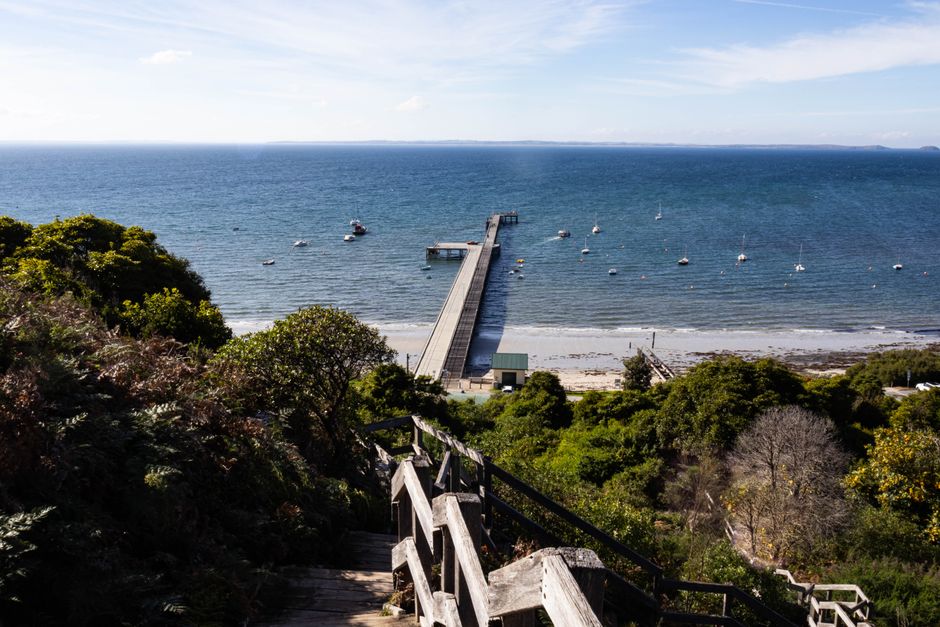
Uji is a 20-minute ride from Kyoto Station on the JR Nara Line (¥240). It’s tiny, walkable, and the birthplace of Japanese matcha. The problem is most tourists skip it for Nara or Osaka. That’s a mistake.
Byodo-in Temple is the main attraction. The Phoenix Hall is on the ¥10 coin. Admission is ¥600. The temple museum, Hoshokan, costs an additional ¥300 and displays the original bronze phoenix statues. The gardens are free and well-maintained.
For matcha, skip the tourist shops near the station. Walk to Nakamura Tokichi Honten, a tea house operating since 1854. Their matcha parfait (¥1,080) is the best in town. The line forms by 10:30 AM. Go at 9:30 AM when they open.
The Uji River is clean enough to wade in during summer. The Tale of Genji Museum (¥600) covers the world’s oldest novel, partially set in Uji. It’s niche. If you don’t care about 11th-century literature, skip it.
When not to go: Uji is dead after 5 PM. Shops close. Trains run until 11 PM, but you’ll be bored. Plan to leave by 4 PM.
Osaka: Food, Neon, and a Castle You Can Skip
Osaka is 30 minutes from Kyoto on the JR Special Rapid Service (¥580). The Shinkansen is faster (15 minutes, ¥1,420) but unnecessary unless you’re already on a Japan Rail Pass. Use the regular JR train.
Most people go to Dotonbori, the canal-side entertainment district. It’s loud, crowded, and essential. Eat takoyaki (octopus balls) from Kukuru (¥600 for 8 pieces) and okonomiyaki from Chibo (¥1,200-1,800). The Glico Running Man sign is the photo spot. It’s been there since 1935.
Osaka Castle is a concrete reconstruction. The original burned down in 1615. The interior is a museum with air conditioning and an elevator. Admission is ¥600. If you’ve seen Himeji Castle, skip this one. Himeji is the real deal.
Shinsekai district is grittier and cheaper. The Tsutenkaku Tower (¥700) gives a decent view. Kushikatsu (deep-fried skewers) at Yamachan costs ¥100 per stick. Cash only.
Budget tip: Osaka’s subway costs ¥180-280 per ride. A one-day pass (¥820) pays for itself after three rides. The Osaka Amazing Pass (¥2,800) includes entry to 40 attractions and unlimited subway. Only buy it if you plan to see three paid attractions.
Arashiyama: Before 8 AM or Don’t Bother
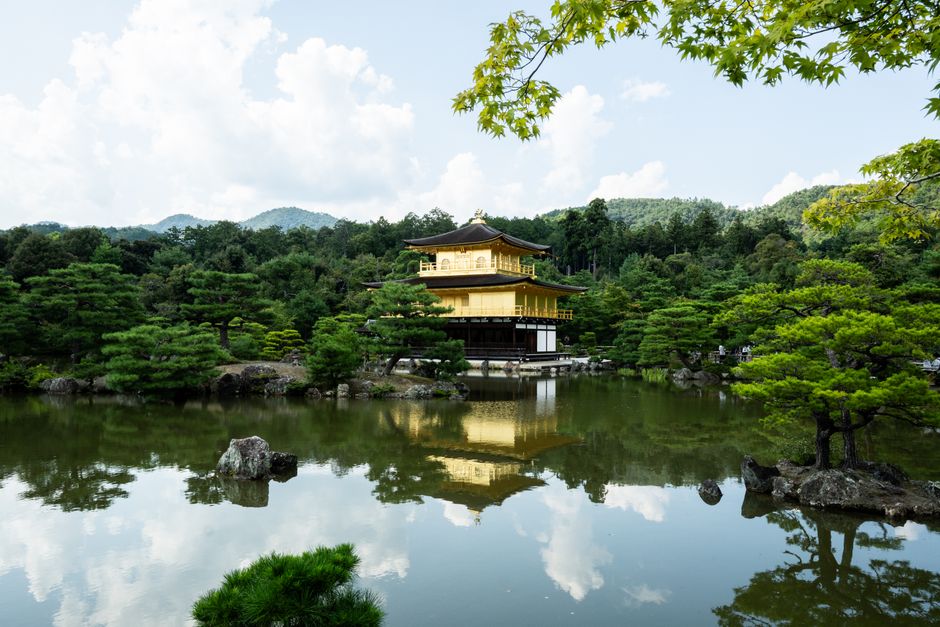
The Arashiyama Bamboo Grove is an Instagram disaster zone by 9 AM. The path is 400 meters long. At peak hours, you shuffle shoulder-to-shoulder with selfie sticks. Go at 6:30 AM. The gates to the grove are open. No guards stop you. You’ll have the path mostly to yourself until about 7:30 AM.
Access: 15 minutes from Kyoto Station on the JR Sagano Line (¥240). Get off at Saga-Arashiyama Station. Alternatively, the Randen tram from Shijo-Omiya Station (¥230) takes 25 minutes and is more scenic.
After the bamboo, visit Tenryu-ji Temple (¥500 for the garden, ¥800 for the temple). The garden was designed in the 14th century by Muso Soseki, a Zen master. It’s one of the few UNESCO sites that actually feels peaceful.
The Togetsukyo Bridge is the iconic photo spot. The river below has boat rentals (¥2,000 for 30 minutes). The Iwatayama Monkey Park (¥550) is a 20-minute uphill walk. The monkeys are wild. Do not bring food into the park unless you want a theft report.
Failure mode: Arriving at 10 AM, waiting 40 minutes for the Sagano Romantic Train (¥620), and finding the bamboo grove so packed you can’t take a photo. Don’t do this.
Himeji: The One Castle Worth the Trip
Himeji Castle is the best surviving example of Japanese castle architecture. It’s a 45-minute Shinkansen ride from Kyoto (¥5,570 one way, covered by Japan Rail Pass). Regular JR takes 90 minutes (¥1,450). Use the Shinkansen if you have a JR Pass. Otherwise, the regular train is fine.
The castle has never been destroyed by war or earthquake. It survived the 1945 bombing of Himeji. The interior is steep, with 70-degree staircases. No elevators. Wear shoes with grip. The upper floors have small windows with views of the city. Admission is ¥1,000.
Koko-en Garden is next to the castle. It’s a reconstruction of a 19th-century feudal lord’s garden. Admission is ¥300. Combined ticket for castle and garden is ¥1,050. The garden is quiet. Most tourists skip it. Don’t.
Lunch: Menmei Himeji serves Himeji-style ramen with a clear chicken broth (¥800). It’s a 10-minute walk from the castle. No English menu. Point at the picture.
Total day cost: about ¥3,500-4,000 per person including transport, entrance, and lunch. Doable on a budget if you skip the Shinkansen.
Kobe: Beef, Harbor, and a Hot Spring
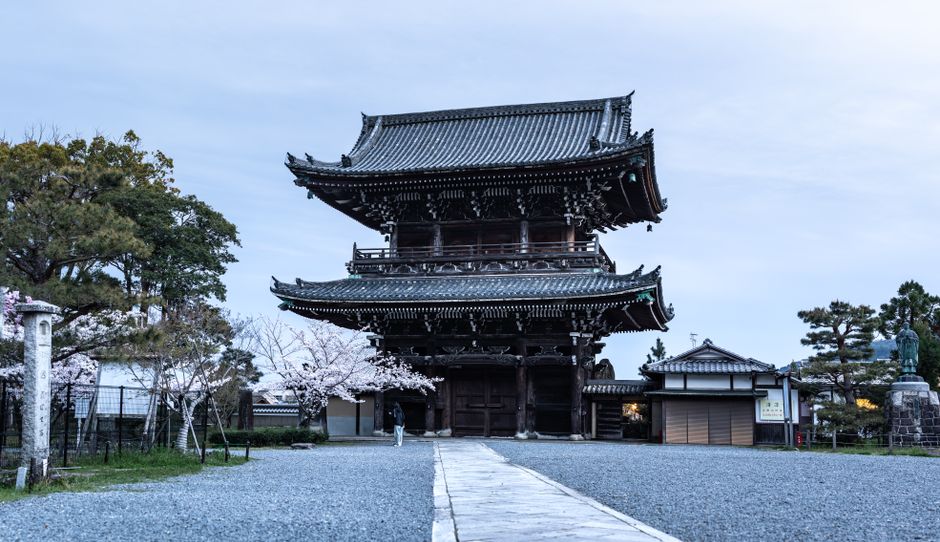
Kobe is 30 minutes from Kyoto on the JR Special Rapid Service (¥1,110). The Shinkansen is faster but costs ¥3,500. Don’t bother. The regular train is comfortable.
Kobe beef is expensive. A teppanyaki lunch at Steakland Kobe starts at ¥1,080 for a sirloin set. The higher-grade cuts (¥2,500-4,000) are worth it. Reserve ahead or queue at 11 AM. The meat is graded A5, the highest possible. It melts. It’s not a gimmick.
Mount Rokko offers a night view of Osaka Bay. The ropeway costs ¥1,800 round trip. The bus from Kobe Station to the ropeway is ¥210. The view is real. The wind at the top is cold even in summer. Bring a jacket.
Arima Onsen is a hot spring town on the north side of Mount Rokko. The bus from Kobe Station takes 40 minutes (¥780). A day-use bath at Kin no Yu (Gold Bath) costs ¥650. The water is rust-colored from iron. It stains towels. Use their towels.
Kobe works best as a half-day trip. Combine it with Himeji if you’re ambitious. Train from Himeji to Kobe is 30 minutes (¥970). That’s a long day but doable.
Fushimi Inari: The Full Hike, Not Just the Gates
Fushimi Inari Taisha is technically in Kyoto, but many visitors treat it as a half-day trip. The main path through the famous red torii gates takes 2-3 hours round trip. Most tourists walk the first 500 meters and turn back. They miss the best part.
The full hike to the summit (233 meters) takes 90 minutes up and 60 minutes down. The upper section has no crowds. At the top, there’s a small shrine and a view of southern Kyoto. Go early. Gates open 24 hours. No entrance fee.
When to go: 6 AM. The gates are lit by morning light. The crowds start arriving around 8 AM. By 10 AM, the main path is shoulder-to-shoulder. The upper path stays quiet until 11 AM.
Mistake to avoid: Wearing sandals. The path is steep in sections, and the stone steps are uneven. Running shoes. Bring water. There are vending machines at the base and halfway up, but they cost ¥160 for a bottle.
Nearby: Tofuku-ji Temple is a 15-minute walk. The autumn foliage is spectacular. The garden is ¥400. The Tsutenkyo Bridge offers a view of the valley. It’s worth combining with Fushimi Inari for a full morning.
Kurashiki: A Canal Town That Feels Like Old Japan
Kurashiki is 90 minutes from Kyoto on the JR Shinkansen (¥6,000, covered by JR Pass) or 2 hours on the regular train (¥2,000). It’s a stretch for a day trip, but the Bikan Historical Quarter is worth it.
The canal area has willow trees, white-walled warehouses, and small boats. The boat ride (¥500, 20 minutes) is the best way to see it. The Ohara Museum of Art (¥1,300) has works by El Greco, Monet, and Matisse. It’s an odd find in a small canal town. Worth it if you like art.
Lunch: Kibiji Soba serves hand-made soba noodles (¥900-1,200). The shop is 200 years old. The building is part of the experience.
When not to go: Rainy days. The canals look gray, and the boats stop running. Check the forecast. Kurashiki is best in clear weather.
Miyama: Thatched Roofs Without the Crowds
Miyama is a 90-minute bus ride from Kyoto Station (¥1,500 one way). The bus runs four times a day. Check the schedule before you go. The last bus back leaves at 4:30 PM.
The Kayabuki no Sato village has 39 thatched-roof farmhouses. It’s smaller and less crowded than Shirakawa-go. No entrance fee. You can walk through the village in 45 minutes. Some houses are still lived in. Others are museums (¥300-500 each).
Lunch: Miyama no Furusato serves wild boar hot pot (¥1,500) and soba (¥800). The food is local and seasonal. Cash only.
Miyama is a good alternative if you want rural Japan without the tourist crowds. It’s not flashy. There’s no Instagram spot. It’s just quiet, old Japan.
Failure mode: Missing the last bus. There are no taxis. You’d be stuck overnight. Set an alarm for 3:30 PM to head back to the bus stop.
Nagoya: A Practical Hub With Good Food
Nagoya is 35 minutes from Kyoto on the Shinkansen (¥5,600, covered by JR Pass) or 60 minutes on the regular JR (¥2,000). It’s a big industrial city. The attractions are spread out.
Nagoya Castle is a reconstruction. The original was destroyed in WWII. The main keep has a museum. Admission is ¥500. The Tokugawa Art Museum (¥1,200) has samurai armor and swords. It’s better than the castle.
Food: Nagoya is famous for hitsumabushi (grilled eel on rice). Maruya Honten serves it for ¥2,000-3,000. The eel is grilled over charcoal, then served three ways: plain, with condiments, and with tea. It’s a specific experience. Worth trying once.
When to skip Nagoya: If you only have one day for a day trip. Nagoya is a solid choice if you’ve already done Nara, Uji, and Osaka. It’s not a priority destination.