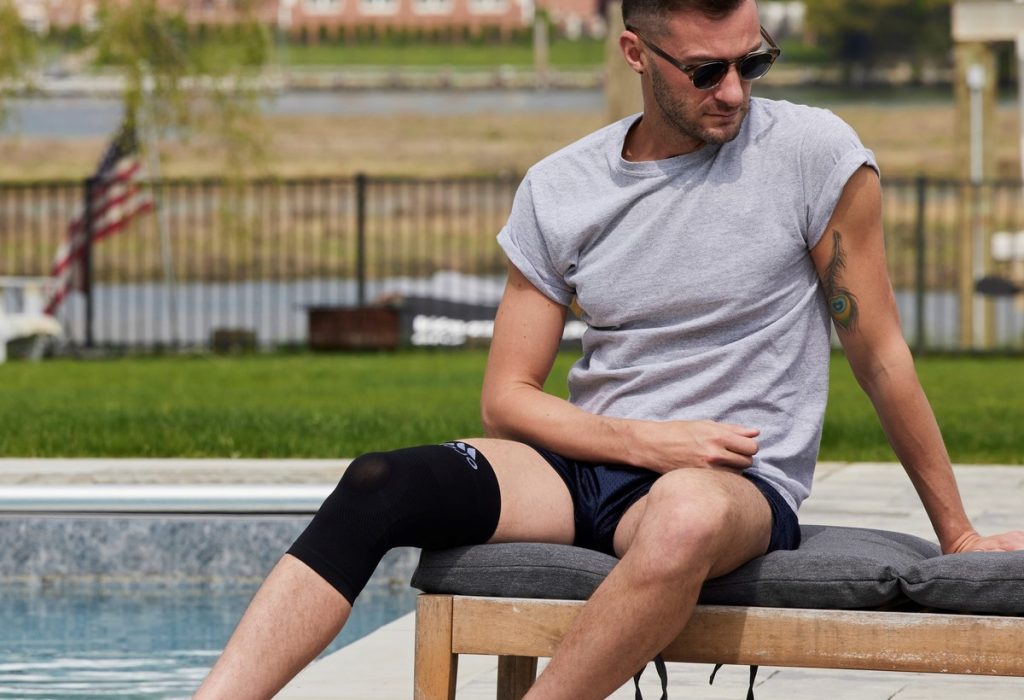
A practical packing note for overnight buses, budget-airline seats, and the first walk after check-in.
Pack for the first mile after arrival
Cheap accommodation often saves money by moving you a little farther from the station, the beach, or the historic center. That is fine until a late arrival turns into a twenty-minute walk with a backpack and tired legs. A pair of comfortable, supportive socks is not glamorous, but it belongs in the same practical plan as shoes you can walk in and directions saved before departure.
The cheap-flight sock plan is simple: choose a pair that fits, keep it within reach, and have something clean and dry for arrival. The aim is to make a day of transfers less awkward without adding another bulky comfort item to your bag. Think about the whole journey, from leaving home to finding dinner near your room.
Mojo Socks fits naturally into this kind of travel kit as an option to consider, but the name on the packet matters less than the fit and care instructions. Start with what you already own if it works comfortably. There is little value in buying a special travel pair and discovering at the airport that it bunches inside your shoes.
Choose the pair before departure day
Supportive socks and compression socks are not interchangeable descriptions. Read the product information rather than assuming that any snug sock offers the same support. A low-cut pair might suit your everyday walking shoes, while a taller style involves different sizing and more fabric against your legs. Choose for your actual itinerary and comfort, rather than the photograph on the packaging.
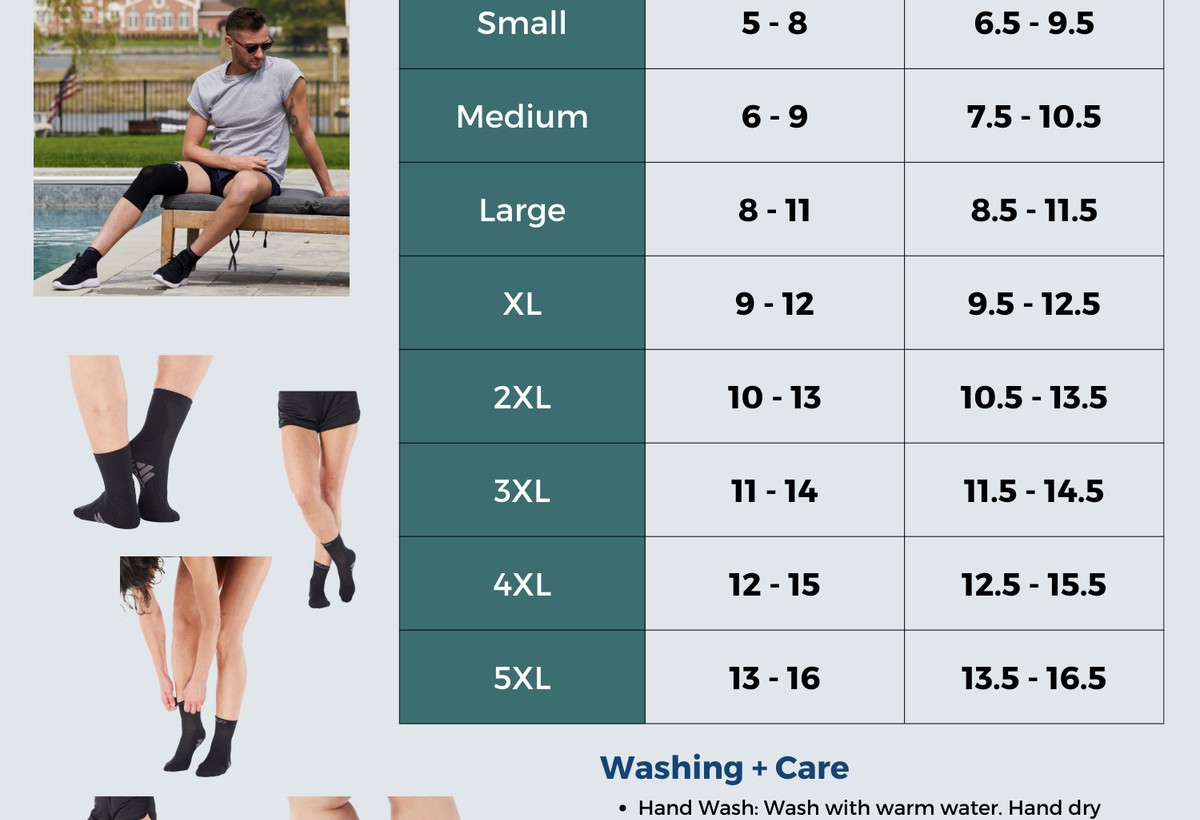
If you choose compression socks, follow the maker’s measuring guide for that particular model. Depending on the design, shoe size alone may not be enough; the guide may also ask for ankle or calf measurements. Take those measurements as instructed and check the size chart instead of guessing that your usual clothing size will translate.
Do not choose stronger compression simply because the journey is longer. If you need compression for a medical reason, have a condition that could affect its suitability, or are unsure what to buy, ask a qualified clinician before traveling. This packing plan is about comfort and organization, not choosing medical treatment or promising protection from travel-related health problems.
Try the complete combination at home: socks, shoes, and the trousers you expect to wear. Walk around, sit down, and use the stairs. Check that your toes have room and the fabric lies smoothly. Follow the product instructions, and do not persist with a pair that causes pain, numbness, or irritation.
Use them on the boring parts of travel
The useful moments are often the least photogenic parts of the trip: airport chairs, night trains, shuttle vans, and long check-in lines. Those are exactly the moments budget travelers know well. The room may be cheap, the transfer may be slow, and the schedule may be stitched together, so small comfort choices matter.
For a pair intended for the journey, put them on before the long sit, following the wearing instructions. Doing this while you have space at your accommodation is easier than trying to rearrange socks in a cramped seat. Smooth the fabric carefully and avoid leaving wrinkles under your heel or toes. Do not roll the tops into a tight band to shorten them.
Keep your shoes suitable for the travel day, too. A thicker sock can change the fit of trainers that usually feel roomy. If your laces need adjusting, do it before boarding rather than waiting until your feet feel squeezed. A sock cannot make an unsuitable shoe comfortable for a station transfer followed by a walk uphill.
Socks are only one small part of the routine. Change position during waits and take opportunities to walk when it is safe and permitted. On a bus, wait for a proper stop; on a plane, follow the crew’s instructions. Keep the aisle clear and your essentials close enough that reaching for them does not require unpacking around other passengers.
Make the spare pair easy to reach
A spare pair dry in a packing cube is useful only if you can get to it. Put it near the opening of your cabin bag, or in a small pouch with the things you need during a transfer. If your larger bag is checked or stored beneath a bus, carry the spare in the smaller bag that stays with you.
- Pack the clean pair in a separate pouch so it stays dry and away from used clothing.
- Bring a small laundry bag for the pair you change out of after arrival.
- Keep a light everyday pair available if your journey socks are unsuitable for the next activity.
- Save the washing instructions so you do not have to guess in a hostel bathroom.
For an overnight bus followed by an afternoon check-in, for example, your room may not be available when you reach town. Having a clean pair accessible lets you change when you find a suitable private place, without opening your entire backpack. Keep used socks contained rather than tucking them loose beside food or a clean shirt.
Plan the walk to your accommodation
Before departure, check the route from the arrival stop to the property entrance. Look for stairs, steep streets, and any instructions about collecting keys elsewhere. Save the address and arrival directions offline. A short-looking route can feel very different with luggage, especially after a night spent sitting upright.
Leave enough room in the arrival plan to stop and adjust your shoes or change a damp pair of socks. If rain is likely, keep the spare protected inside your bag. Starting the walk with dry fabric and properly settled shoes is a more useful habit than carrying several extra pairs you cannot reach.
Comfort also means recognizing when the walk no longer makes sense. If the route feels unsafe, your luggage is unmanageable, or you are too tired to navigate confidently, reconsider the transfer. The purpose of a cheap stay is to make the trip affordable, not to turn every arrival into an endurance exercise.
Wash with the next departure in mind
Sink washing works when the accommodation permits it and there is somewhere suitable for drying. Follow the sock’s care label, use an appropriate amount of detergent, and rinse thoroughly. Avoid improvising with harsh cleaners or hot appliances. If the instructions allow it, gently press out water and use a towel to absorb more moisture without aggressive twisting.
Do not assume that washing before bed means a dry pair at breakfast. A cool room, humid weather, or poor air flow can leave fabric damp. Hang socks where they can air without dripping onto furniture, blocking shared space, or covering a heater. In a dorm, use the designated laundry area if there is one.
Keep the spare dry until the washed pair is ready. If you are moving accommodation every morning, waiting for a longer stay or using a suitable laundry service may be easier than carrying damp socks between rooms. Small luggage works best when the washing routine matches the pace of the trip.
Let the rest of the outfit stay normal
A good travel sock should work under everyday clothes, with trainers, walking shoes, and the one decent outfit you brought for dinner. Neutral black, white, or beige styles are easier to repeat than novelty colors. Choose a thickness and height you will actually wear after the flight, while respecting any specific wearing guidance.
The value is not in looking prepared. It is in arriving with a manageable bag, a clean spare, and shoes that still feel comfortable for the walk to dinner. Keep the plan modest and repeatable: check the fit at home, pack for the transfers, and leave yourself enough energy to look beyond the nearest tourist-trap meal.