
A backpack can look manageable on your bedroom floor and become awkward at an airport gate. Add shoes, a laptop and a jacket for an overnight bus, and the shape you are carrying may be quite different from the shape in a product photograph. If you are flying around the Americas with a Peak Design Travel Backpack 45L or a Nomatic travel bag, the useful question is simple: does your actual packed bag meet the allowance for every flight you have booked?
Start with the load, then work through the itinerary. The litre figure in a bag’s name describes capacity; it does not establish airline acceptance. A careful check before leaving your accommodation also gives you time to decide what stays with you if the backpack has to go into the hold.
Find the allowance attached to your booking
Check the carrier’s baggage information alongside your reservation. Look for the allowance for your fare, route and cabin, including whether an overhead cabin bag is included. A personal item and an overhead bag are separate categories when the airline treats them that way. Buying a ticket does not automatically tell you which category your backpack qualifies for.
For an itinerary linking, say, Toronto, New York and Mexico City, make a separate note for each flight. If another airline operates a segment, check that detail too. A booking reference shared across flights is not a reason to assume the same cabin allowance applies throughout. For a separately booked onward flight, repeat the whole check.
- Record the permitted height, width and depth, including the carrier’s instructions about protruding parts.
- Note any weight limit and whether it applies to one bag or your combined cabin baggage.
- Confirm the number of pieces included with your fare.
- Check the procedure and terms for adding a checked bag before departure.
Save the relevant information where you can read it offline. If the reservation and the general baggage page appear to conflict, ask the airline to clarify before travelling. Avoid building your packing plan around someone else’s report that staff ignored an oversized bag.
Pack the bag you will actually take
Do this check with your travel clothes, toiletries, electronics and shoes inside. Include the small things that tend to appear at the last moment: a charger pouch, glasses case, laundry bag or food for the journey. An empty backpack measurement cannot show how a full front pocket changes its depth.
With the Peak Design 45L, check the configuration you intend to carry, including any expansion you use. With a Nomatic, identify your exact model and size first; the brand name alone does not specify the bag. In either case, use the manufacturer’s information as background, then measure the loaded result. Do not transfer dimensions or packing advice from a different model.
Close every zip normally and adjust the compression straps you will use during the journey. If closing the bag requires someone to sit on it, repacking at security could be difficult. Leave yourself a load you can open, search and close without spreading everything across the terminal floor.
Measure the outside, including the bulges
Set the packed backpack on a flat surface. A tape measure and two straight objects, such as books or boxes, help you locate its outer edges. Measure between those edges rather than following the curve of the fabric. Check height, width and depth at their widest points, with handles and attachments accounted for as the carrier requires.
Pay particular attention to depth. Shoes packed against the front panel, a full organiser pocket or a jacket tucked under an exterior strap can create a bulge that is easy to overlook. A bottle in an outside pocket also changes the outline. Measure in the condition in which you will present the bag for boarding.
Compare each dimension individually with the applicable allowance. Extra room in one direction does not cancel excess in another unless the airline explicitly uses a different measurement method. A soft bag may compress, but that does not guarantee acceptance in a baggage sizer. If it only fits while you force it down, reduce the load.
Write down the measurements and repeat them after any significant repack. The check you did before buying a souvenir or adding a thick layer no longer describes the bag you are carrying.
Weigh it before leaving your accommodation
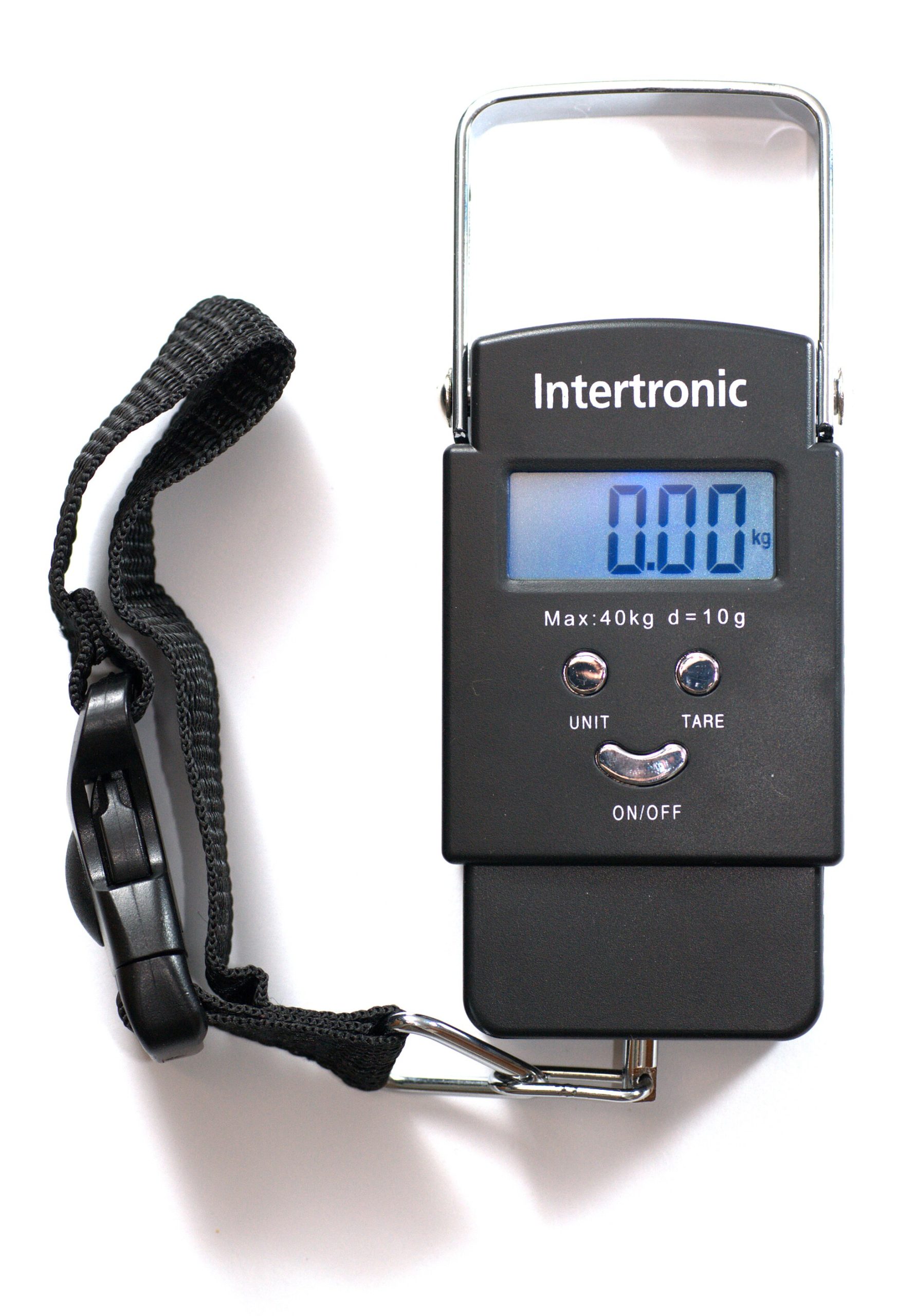
Use a luggage scale if one is available. With a bathroom scale, you can compare your weight while holding the bag with your weight without it, allowing for the scale’s limited precision. Include everything attached to the backpack. If the airline counts cabin pieces together, weigh the smaller bag as well.
When you need to remove weight, start with items that are easy to duplicate or do without: extra footwear, several overlapping toiletries or clothing that does not suit the trip. For a hostel stay, check whether laundry facilities are available before packing a fresh outfit for every day. Confirm what your accommodation supplies instead of assuming towels or other bulky essentials will be provided.
Moving a heavy pouch into a second bag only helps if your fare permits that piece and its weight. It is worth leaving some margin for ordinary changes during the journey, especially if your itinerary includes different climates.
Prepare a pouch that stays with you
Even after checking the allowance, prepare for the possibility that staff will require your backpack to travel in the hold. Keep essentials together in a small pouch or permitted personal item that you can remove without emptying the main compartment.
- Passport or other travel documents, wallet, keys and booking details.
- Essential medication and anything you need to use it during the journey.
- Phone, necessary charging cable, glasses and valuable small electronics.
- Power banks, spare lithium batteries and any other items the applicable rules require in the cabin.
- A modest change of essentials if your main bag is delayed.
Check the airline’s dangerous goods instructions for your particular batteries and devices, including capacity restrictions and terminal protection requirements. Do not assume that putting an item in the removable pouch makes it permitted. Keep that pouch within your allowed cabin arrangements, and tell staff if you need to remove restricted items before handing over the backpack.
If a gate check becomes necessary
Ask where the bag will be returned: at the aircraft, at baggage reclaim or somewhere else specified by staff. This matters on connections, particularly when you need to collect luggage and check it again. Confirm any charge and keep the baggage receipt or tag details accessible.
Remove your essentials pouch and anything that cannot travel in checked baggage. Secure loose straps and attachments using the bag’s available storage or fastening options. Check that all compartments are closed and that an identification tag is attached. Keep fragile and valuable items with you where permitted; padding inside a travel backpack does not guarantee protection during handling.
Before leaving your hotel or hostel for the airport, make one final pass: correct allowance for each segment, loaded dimensions, loaded weight and essentials ready to lift out. That routine is useful with either bag. It gives you a practical packing decision before departure and a manageable next step if the gate staff require something different.