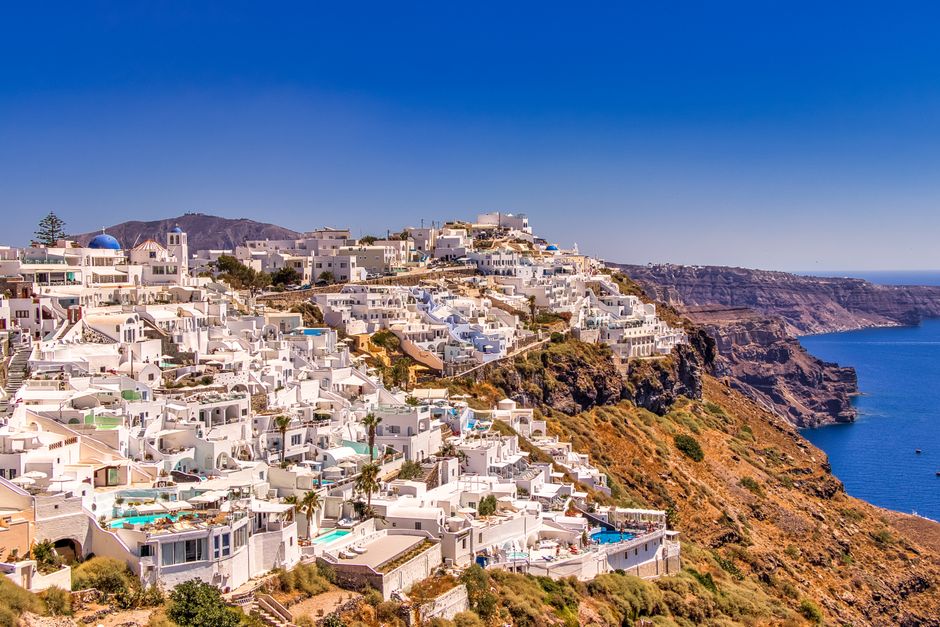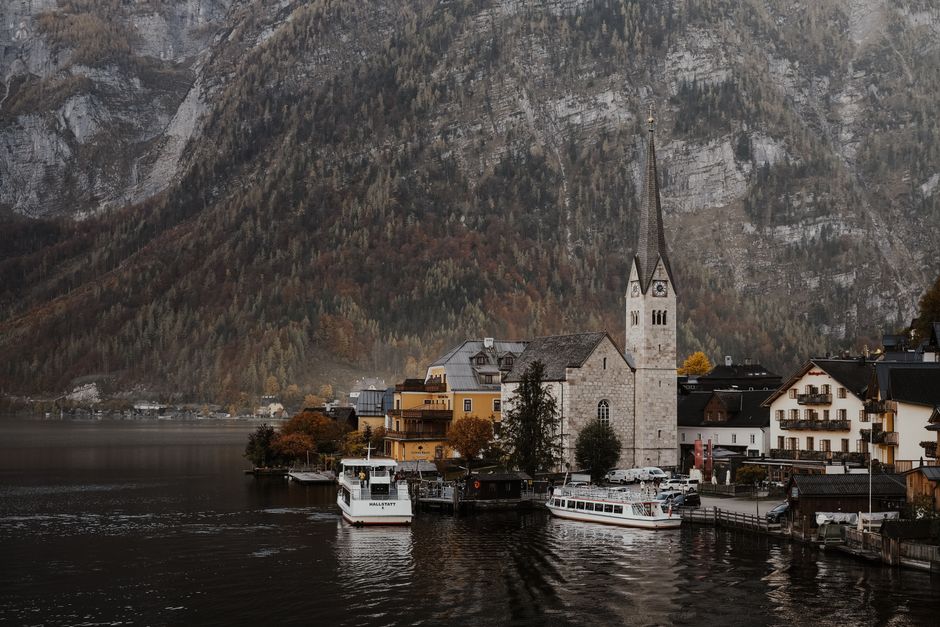
Portugal is more than pastel de nata in Belém and port wine in Vila Nova de Gaia. The real country — where you sleep in a castle for €40 a night or hike a canyon with zero tourists — exists outside the two big cities. This list skips the obvious. Every town here is underrated, affordable, and worth your time in 2026.
Why Skip Lisbon and Porto in 2026?
Lisbon rents hit record highs in 2026. A hostel dorm bed costs €35. Porto’s Ribeira district feels like a theme park in July. The crowds are real, and prices keep climbing.
Meanwhile, towns like Monsanto and Marvão see a fraction of the visitors. Your euro stretches further. A double room in a guesthouse costs €50–€70. Dinner for two with wine? Under €25. You get better views, quieter streets, and actual locals.
The trade-off is simple: fewer nightclubs, more silence. If you want a beach party, stay in the Algarve. If you want stone villages carved into mountains, read on.
1. Monsanto — The Village Built on a Boulder
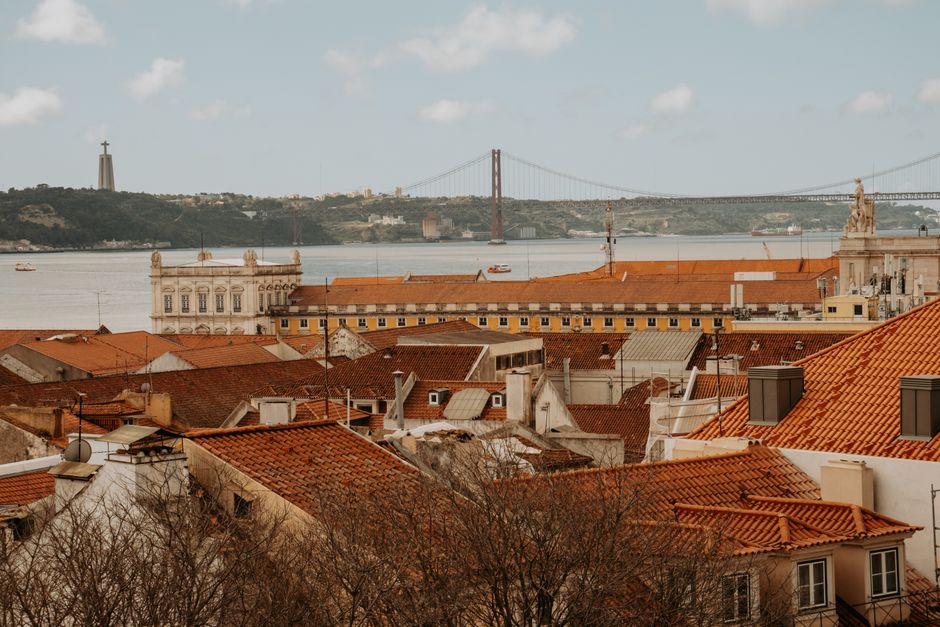
Monsanto sits on a giant granite hill. Houses wedge between boulders. Some roofs are solid rock. It’s been called “the most Portuguese village in Portugal.”
Stay at Casa do Cruzeiro (€45/night, two-person room). It’s a restored 18th-century home with stone walls and a tiny kitchen. Book directly through their website — booking.com adds 15%.
Eat at O Cruzeiro (Rua do Castelo). Get the lamb stew (€9) and the local cheese. Skip the tourist menu. Walk up to the castle ruins at sunset. No entry fee.
Failure mode: Don’t drive a large car up the main street. It’s barely wider than a Fiat 500. Park at the bottom of the hill.
2. Marvão — The White Fortress on the Border
Perched 860 meters above the Spanish border, Marvão is a walled village that feels frozen in 1300. The castle is intact. The views stretch into Spain.
Stay at Casa da Lareira (€55/night). It has a fireplace and a terrace overlooking the valley. Owner Dona Maria makes breakfast with homemade jam. No credit cards — bring cash.
Visit the Museu Municipal (€2 entry). It holds Roman artifacts found in the region. Then walk the walls. The full loop takes 45 minutes.
When NOT to go: August. The village swells with Spanish day-trippers. Go in May or September. You’ll have the castle to yourself.
3. Tavira — The Quiet Algarve
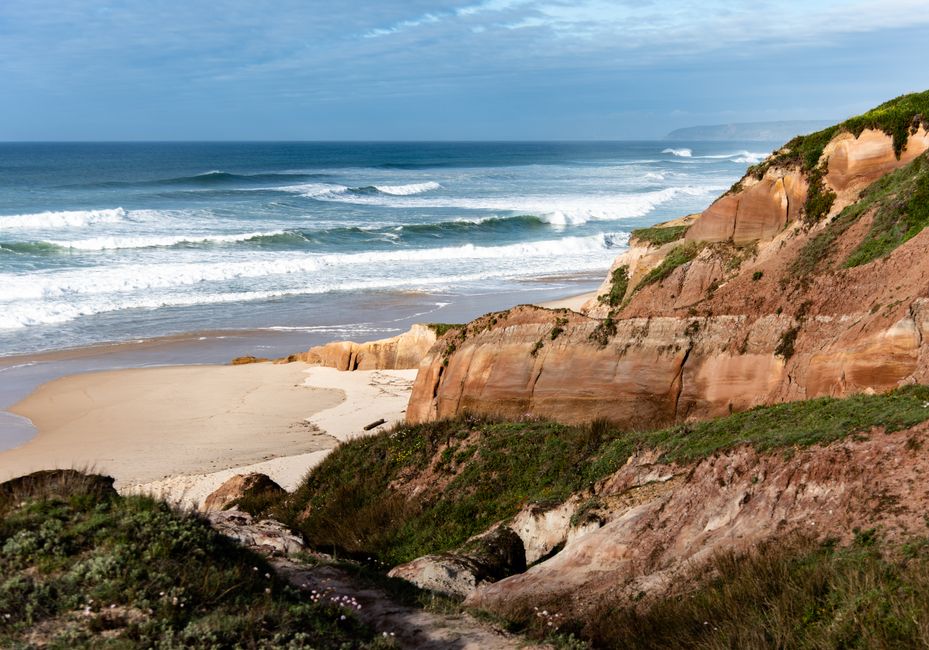
The Algarve’s western coast is overbuilt. Tavira, in the east, is different. A Roman bridge crosses the Gilão River. Whitewashed houses line cobblestone streets. The beach (Ilha de Tavira) is a 10-minute ferry ride away.
Stay at Residencial Princesa do Gilão (€60/night). Rooms face the river. Ask for room 201 — it has the best balcony. Book 3 weeks ahead in summer.
Eat at O Forno (Rua Dr. Parreira). The grilled octopus (€12) is the best I’ve had in the Algarve. Pair it with a glass of Vinho Verde from the Minho region.
Trade-off: Tavira is quiet. No clubs. No party boats. If you want nightlife, stay in Lagos. If you want calm, this is it.
4. Óbidos — Medieval Walls and Cherry Liqueur
Óbidos is a walled village 1 hour north of Lisbon. It’s famous for ginjinha (cherry liqueur) served in chocolate cups. The castle is a pousada (luxury hotel), but you don’t need to stay there to enjoy the town.
Stay at Casa do Relógio (€50/night). It’s a 3-room guesthouse inside the walls. Owner João gives you a map and marks his favorite restaurants. Try A Nova Casa de Ramiro for seafood rice (€15).
Walk the walls at 8 AM. No one is there. The gates open at 9. You get the sunrise alone.
Common mistake: Buying ginjinha from the main square stalls. They charge €3 per cup. Walk two streets over to Ginjinha d’Óbidos — €1.50 per cup, same quality.
5. Piódão — The Schist Village in the Mountains
Piedade is a cluster of slate-roofed houses in the Serra do Açor. It’s remote. The drive takes 40 minutes on winding roads from Coimbra. That keeps the crowds away.
Stay at Casa da Ti Albertina (€40/night). It’s a traditional schist house with a wood stove. No Wi-Fi. No TV. That’s the point.
Hike the PR1 Açor trail (8 km, 3 hours). It follows an old mule path through chestnut forests. Bring water — there’s no shop on the trail.
When to skip: If you need reliable cell service. Piedade has one spot near the church with 3G. That’s it.
6. Aveiro — The Venice of Portugal (Without the Price Tag)
Aveiro is a coastal city with canals, colorful moliceiro boats, and Art Nouveau buildings. A 45-minute boat tour costs €8. Compare that to €80 in Venice.
Stay at Hotel Aveiro Center (€55/night). It’s 5 minutes from the canal. Ask for a room on the 4th floor — quieter and better views.
Eat at O Bairro (Rua do Clube dos Galitos). The ovos moles (egg yolk sweets) are a local specialty. Get the ones from Doçaria Maria — they’re fresher.
Budget breakdown:
| Item | Cost (€) |
|---|---|
| Double room (Hotel Aveiro Center) | 55 |
| Moliceiro boat tour | 8 |
| Dinner for two (O Bairro) | 22 |
| Ovos moles (4 pieces) | 3 |
| Total per person per day | 44 |
7. Viana do Castelo — Atlantic Views and Pilgrim History
Viana do Castelo sits at the mouth of the Lima River. The Basílica de Santa Luzia sits on a hill 200 meters above the city. Take the funicular (€2.50) or hike the stairs (15 minutes). The view covers the river, the Atlantic, and the city.
Stay at Pousada de Juventude de Viana do Castelo (€18/night for a dorm, €45 for a private room). It’s clean, central, and has a kitchen. Book on their official site to avoid booking fees.
Eat at Casa d’Armas (Praça da República). The arroz de sarrabulho (rice with pork and blood) is a local specialty. It’s €10. Not for the faint of stomach.
Mistake to avoid: Don’t skip the Museu do Traje (€2). It has 19th-century folk costumes and jewelry. Takes 30 minutes. Worth it.
8. Évora — Roman Temple and Bone Chapel
Évora is a UNESCO World Heritage city in the Alentejo region. It has a Roman temple, a cathedral, and the Capela dos Ossos (Bone Chapel) — a chapel lined with human skulls and femurs. It’s eerie. It’s unforgettable.
Stay at Casa do Escritor (€65/night). It’s a 16th-century mansion with high ceilings and a courtyard. Ask for the room with the terrace.
Eat at Taberna Típica Quarta-Feira (Rua do Escrivão da Câmara). The migas com carne de porco (bread porridge with pork) is €11. Best in town.
Verdict: For history lovers on a budget, Évora is the best value in Portugal. A double room, dinner, and museum entry costs under €90. That’s half of what you’d pay in Lisbon for a similar experience.
9. Serra da Estrela — Portugal’s Highest Peak
The Serra da Estrela mountains hit 1,993 meters at Torre. It’s the only place in Portugal with regular snow. In winter, people ski. In summer, they hike.
Stay at Casa da Neve (€50/night) in Manteigas. It’s a stone cottage with a fireplace. Owner Rui gives you a map of the Vale do Glaciar (Glacier Valley) hike — 12 km, 4 hours. No entry fee.
Eat at O Albertino (Manteigas). The queijo da serra (Serra cheese) is made from sheep’s milk. A portion costs €4. Buy a wheel to take home (€12).
Failure mode: Driving the N339 road in winter without chains. It’s steep and icy. Rent chains in Manteigas for €10/day.
10. The Verdict: Which One Should You Pick?
If you have 3 days: pick Évora. It’s the most accessible, has the most to see, and has good bus connections from Lisbon.
If you want silence and stone villages: Monsanto or Piedade. Both require a car. Both deliver solitude.
If you want a beach town without the crowds: Tavira. It’s the Algarve without the noise.
If you want a mountain escape: Serra da Estrela. Go in spring for green valleys or in winter for snow.
For the best blend of history, food, and price: Évora wins. A Roman temple, a bone chapel, and a €10 dinner that beats most Lisbon restaurants. That’s hard to beat.