A Turkish esnaf lokantası can be a useful place to put together a vegetarian lunch: look along the counter, ask about the dishes that interest you, and order a few things that work together. These everyday restaurants serve tradespeople, office workers and other hungry locals, often with cooked food displayed in trays or pots. The choice can be generous, but a tray full of vegetables does not tell you everything about its ingredients.
The trick is to settle the ingredient questions before anyone starts serving. Rice may contain stock, beans may have meat cooked into the sauce, and a stuffed pepper may hide a filling you cannot see. You do not need an elaborate conversation. A clear explanation, a couple of specific questions and a flexible idea of lunch will get you further than simply pointing at everything green.
Read the counter before joining the order
Take a moment to see how the restaurant works. In some places, you choose at the counter and carry a tray; in others, you point out your dishes and a server brings them to your table. Payment might come before eating or afterwards. Watch the customer ahead of you, then follow the same sequence. An esnaf lokantası is not necessarily a self-service cafeteria, so wait for someone to serve from the hot trays.
Look over the whole selection before committing. You might see soup, beans, chickpeas, vegetable stews, rice, bulgur, salads and cold vegetable dishes. Availability changes with the kitchen and the day. Treat those as possibilities to investigate, rather than a checklist the restaurant ought to have.
If there is a queue, identify two or three promising dishes first. When it is your turn, explain that you are vegetarian before pointing. That gives the server a chance to steer you towards suitable food instead of filling a plate you then need to refuse.
Explain what vegetarian means for your meal
Vejetaryenim means “I am vegetarian”. It is a useful opening, but follow it with the ingredients you avoid. Someone may understand that you do not want pieces of meat without realising that meat stock also matters to you.
- Et, tavuk ve balık yemiyorum. I do not eat meat, chicken or fish.
- Bunda et var mı? Is there meat in this?
- Et suyu veya tavuk suyu var mı? Is there meat stock or chicken stock?
- Kıyma var mı? Is there minced meat?
Point at the particular tray as you ask. A general question about vegetarian food can produce a general answer; a question about the lentil soup in front of you is easier to answer precisely. Keep a written version of the phrases on your phone if saying them feels awkward.
Vegetarian and vegan are different requests. If you eat dairy and eggs, yoghurt or an egg dish may help complete lunch. If you avoid them, say so separately and check butter as well. Tereyağı var mı? asks whether there is butter. Do not assume a vegetarian answer covers every ingredient you personally exclude.
Check stock even when the food looks meat-free
Soup and grains deserve their own questions. Lentil soup, mercimek çorbası, may look like an obvious choice, but the liquid used to cook it still needs checking. The same applies to rice pilaf and bulgur pilaf. Neither the colour nor the absence of visible meat confirms what went into the pot.
Ask about the soup, rice and main dish individually. If the server confirms that the beans are meat-free, that does not automatically answer the question about the rice beside them. Likewise, a vegetable stew can have a stock-based sauce even when every solid ingredient you can see is a vegetable.
Cold dishes described as zeytinyağlı, meaning prepared with olive oil, are a useful place to start the conversation. Green beans, leeks or other vegetables prepared this way may suit your meal. Still, ask about the particular dish rather than treating the name as a guarantee.
If the person serving does not know, ask whether someone in the kitchen can confirm. When the answer remains uncertain, choose something else. You are trying to find a meal the kitchen can confidently serve, and there is no advantage in turning an unclear answer into a hopeful yes.
Ask what is inside stuffed vegetables and pastries
Stuffed peppers, vine leaves and aubergines need closer attention because the outside conceals the part you are checking. Dolma refers to stuffed foods and sarma to wrapped ones; neither word alone promises a vegetarian filling. Rice, herbs and spices are one possibility, but minced meat is another.
Point and ask İçinde ne var?, meaning “What is inside?” Follow with the question about minced meat and, where relevant, stock. A rice filling still needs checking if it has been cooked with meat stock. Removing a visible piece of meat does not change the filling or sauce around it.
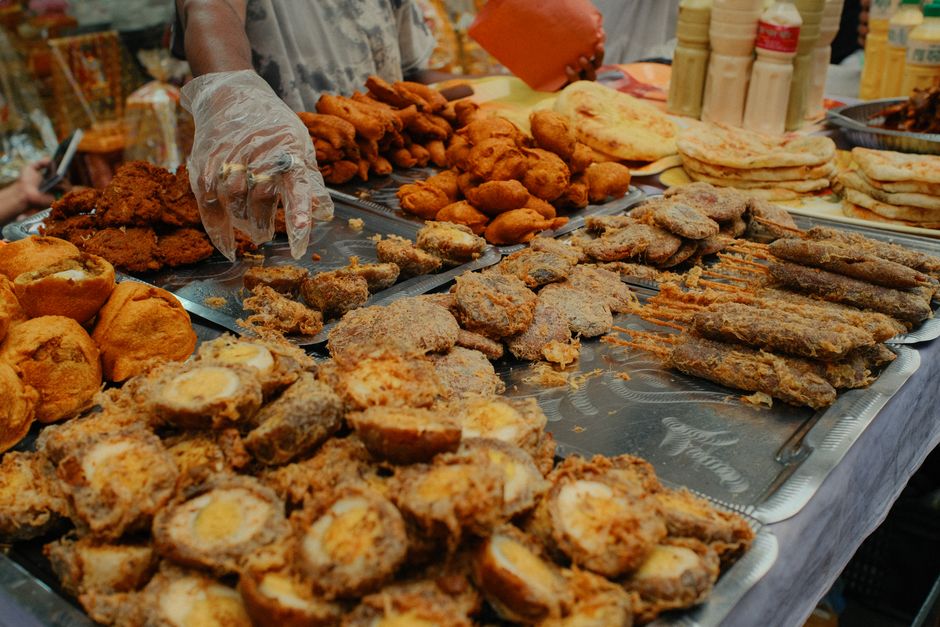
Names can help you distinguish dishes. İmam bayıldı generally refers to an aubergine preparation with onion and tomato, while karnıyarık commonly contains minced meat. Use that knowledge to choose what to ask about, then confirm the kitchen’s version. Pastries also need a filling check: cheese, potato, spinach and meat versions can sit close together or look similar once cut.
Build lunch around one substantial dish
Once you know what is suitable, start with the dish that will make lunch satisfying. Beans or chickpeas can provide the centre of the meal if their preparation is confirmed vegetarian. Add bread or a checked grain dish, then something fresh or tangy. You do not need a separate main course that looks like a meat substitute.
Here are three combinations to consider if the dishes are available and the ingredients have been confirmed:
- Beans, bread and salad: a straightforward combination when the rice contains stock.
- Lentil soup, olive-oil vegetables and bread: useful when the hot main dishes all contain meat.
- Rice-filled vegetables, yoghurt and salad: a varied plate if you eat dairy and the filling is suitable.
Think about texture as well as quantity. A soft vegetable stew is more enjoyable with crisp salad or bread; a rich aubergine dish may only need a plain accompaniment. Yoghurt can add a cool contrast, but check any additions if it is served as a prepared dish rather than plain.
Clarify portions and payment before adding extras
Several small dishes can turn into a larger order than you intended. Ask what a portion includes and how each item is charged before adding soup, salad, yoghurt and a drink. Do not assume that bread, water or anything placed on the table is included.
If you want less, ask Yarım porsiyon mümkün mü?, meaning “Is a half portion possible?” The restaurant may offer it, or may serve fixed portions. Point clearly at each choice and check whether separate dishes will arrive on separate plates. Ordering one confirmed dish with bread can be simpler than assembling a crowded tray.
Before leaving the counter, make one final check that the plate matches what you discussed. Then find your seat and enjoy lunch. The most useful habit is to stay flexible: choose from the food the kitchen can explain, and build a meal around that day’s suitable dishes. A modest counter with only a few confirmed options can still provide a satisfying vegetarian meal.