A ferry departure changes what makes a good place to stay in Fukuoka. A room that suits several days of sightseeing can become awkward when you need to collect a suitcase, cross town and reach the correct terminal before check-in closes. I would choose the final night’s accommodation by working backwards from the sailing, then fit dinner and sightseeing around that plan.
The aim is simple: leave your room with your documents ready, make one straightforward transfer and keep enough flexibility to cope if the sailing changes. The cheapest room on the booking screen is only useful if the rest of that departure works.
Identify the terminal before choosing the neighbourhood
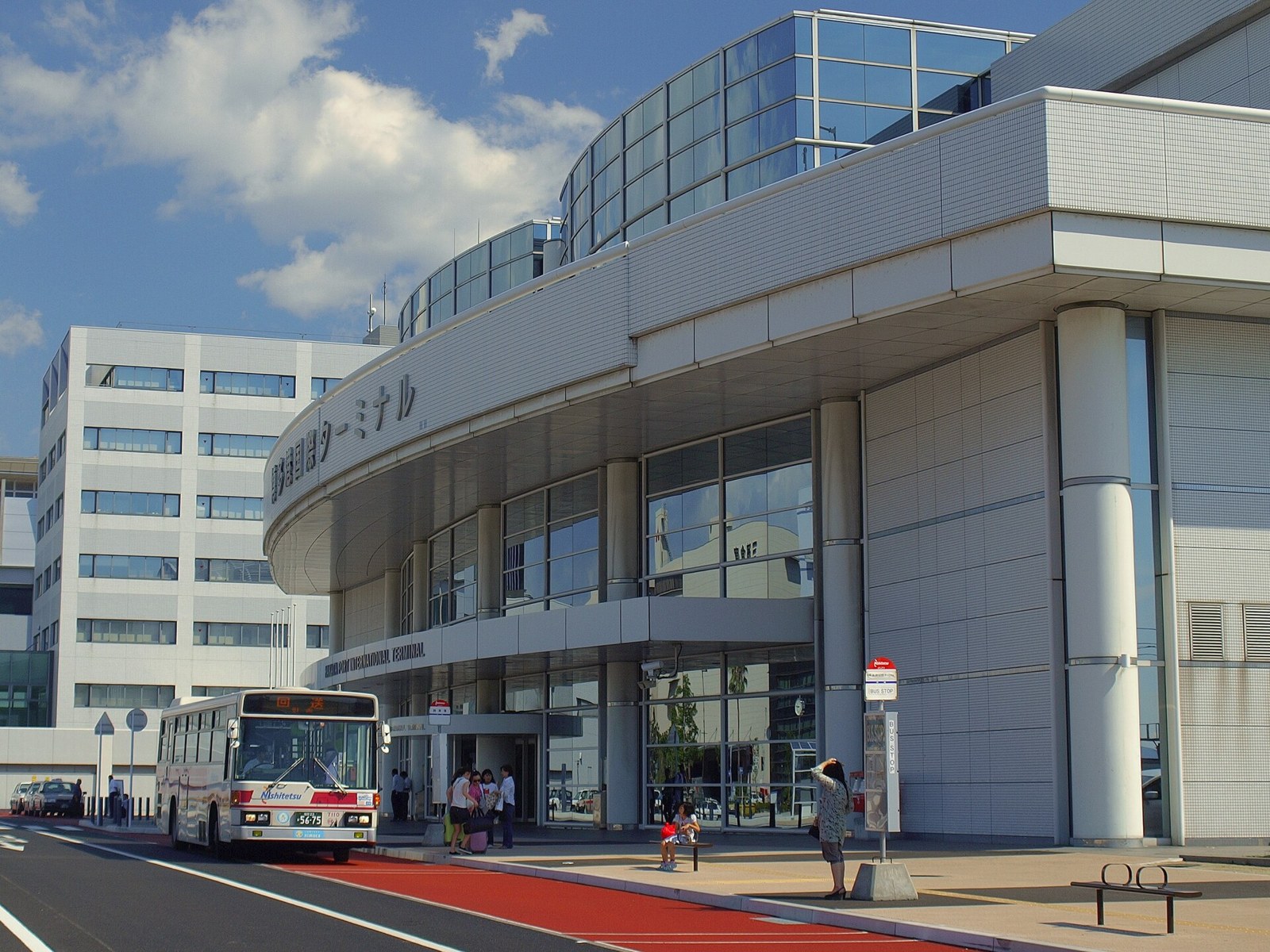
Start with the booking confirmation, not a general search for Fukuoka’s port. Write down the operator, destination, departure date, terminal name and address. Hakata Port is a useful geographical label, but it is not a precise drop-off instruction. International and domestic ferry arrangements can involve different buildings and procedures.
Keep the terminal’s Japanese name and address alongside the English version. Save them offline with your booking reference and the operator’s contact details. A taxi driver or hotel receptionist can work with a specific building much more easily than a destination described simply as “the ferry”.
Check whether your ticket is for a foot passenger or includes a vehicle, and whether the booking requires any additional steps at the port. Use the instructions supplied for your particular sailing. Advice about another route, even one leaving from the same waterfront, may not apply.
Build your morning around the check-in cutoff
The sailing time is not your arrival deadline. Find the operator’s check-in opening time, check-in cutoff and any separate boarding deadline. For an international journey, also establish which travel documents and entry permissions you need for your destination. Keep those requirements separate from your hotel checkout arrangements.
Work backwards in this order:
- Record the final time by which the operator requires you to complete check-in.
- Choose an earlier target for entering the correct terminal, allowing for queues and finding the counter.
- Allow for the transfer, including waiting, traffic or a missed connection.
- Add any luggage collection and hotel checkout time.
- Set your room departure time and arrange breakfast around it.
Give each part its own allowance. One vague cushion can disappear while you wait at reception or look for a bus stop. If your plan only works when every connection lines up perfectly, change the hotel location or transfer method before booking.
Choose a base that removes a difficult step
Hakata for an arrival by rail
The Hakata Station area is a sensible starting point if you arrive in Fukuoka by train and want to avoid carrying luggage through another city transfer that evening. It can also make a fallback rail journey easier to organise. However, staying near the station does not put you at the ferry terminal: budget and plan for the onward port transfer.
Look at the actual entrance to the accommodation. A property described as being near Hakata may still involve a tiring walk with bags. Check the route from the station, access to lifts and whether a taxi can collect you conveniently outside.
Tenjin for time in the city
Tenjin may suit a stay built around central shopping and meals before departure. Choose it when the journey from the property to your terminal is straightforward, rather than assuming a central address solves the transfer. A slightly less convenient sightseeing base can be the better choice if it avoids collecting luggage from somewhere you have already left behind.
The waterfront for a simpler final morning
Accommodation closer to your confirmed terminal can reduce the distance you travel on departure day. Check the walking route carefully, though. A short line on a map may involve broad roads, exposed pavements or an inconvenient terminal entrance. With heavy luggage or rain, you may still prefer a vehicle transfer.
Compare the complete stay: room cost, transfer cost, luggage storage and any extra journeys. A modest saving on the room can disappear if you need several taxi rides to make the arrangement work.
Ask the luggage questions before booking
For a late sailing, checkout may come well before you need to leave for the port. Ask whether the accommodation stores luggage after checkout, when you can retrieve it and whether there is a charge. Confirm this for the property you are actually booking; a staffed hotel and an apartment with remote entry may offer very different arrangements.
If you arrive before room access begins, ask about storage before check-in too. Avoid building a plan around station lockers without an alternative: availability, bag size and access arrangements can all affect whether they are useful.
Keep passports, tickets, medication, valuables and charging equipment in a small bag that stays with you. Pack an overnight change where you can reach it easily. If your sailing is disrupted, you should be able to settle into another room without unpacking everything on the floor.
For bulky bags, confirm the ferry’s luggage rules as well as the hotel’s facilities. Do not assume you can hand over a suitcase at the terminal and forget about it. You may need to manage it yourself through the boarding process.
Choose the transfer for the bags you have
A bus can be a useful budget option when the stop, destination and service times suit your sailing. Before relying on it, establish the correct boarding stop, the terminal stop and how far you must walk at either end. Allow for the effort of boarding with your actual luggage, especially if travelling with children or someone who finds steps difficult.
A taxi can simplify the journey when several people share the cost or when bags make public transport cumbersome. Show the exact terminal address, and ask your accommodation about arranging a suitable vehicle if your group has large cases. Leave room for traffic and vehicle availability; a taxi is convenient, but it does not remove the check-in deadline.
Walking is worth considering only after checking the whole route and the weather. I would avoid turning the last leg into a sightseeing stroll with a hard deadline at the end. Reach the terminal first, then use any spare time within the operator’s instructions.
Keep a fallback night practical
Before checking out, establish how you will receive sailing notices and what the operator asks passengers to do if service is disrupted. Keep your phone charged and retain access to the booking email. An offline copy helps with directions, but you also need a way to receive new information.
Ask your accommodation whether extending your stay might be possible, without treating that as a guarantee. Identify a second area where you would be comfortable finding a room, and keep enough room in your budget for an unexpected night, meals and another transfer. Check cancellation conditions before reserving a backup room; holding an inflexible booking can create a second expense.
If the sailing changes, confirm your ticket options with the operator before committing to another journey. Then sort the bed and luggage. A manageable fallback matters more than recreating the original sightseeing plan.
Leave with one final check
Before returning the room key, check the sailing status, count your bags and put the terminal address within easy reach. Make sure everyone travelling knows the departure plan. With a confirmed cutoff, accessible luggage and a realistic transfer, your final night in Fukuoka becomes part of a calm journey rather than a race across the city.