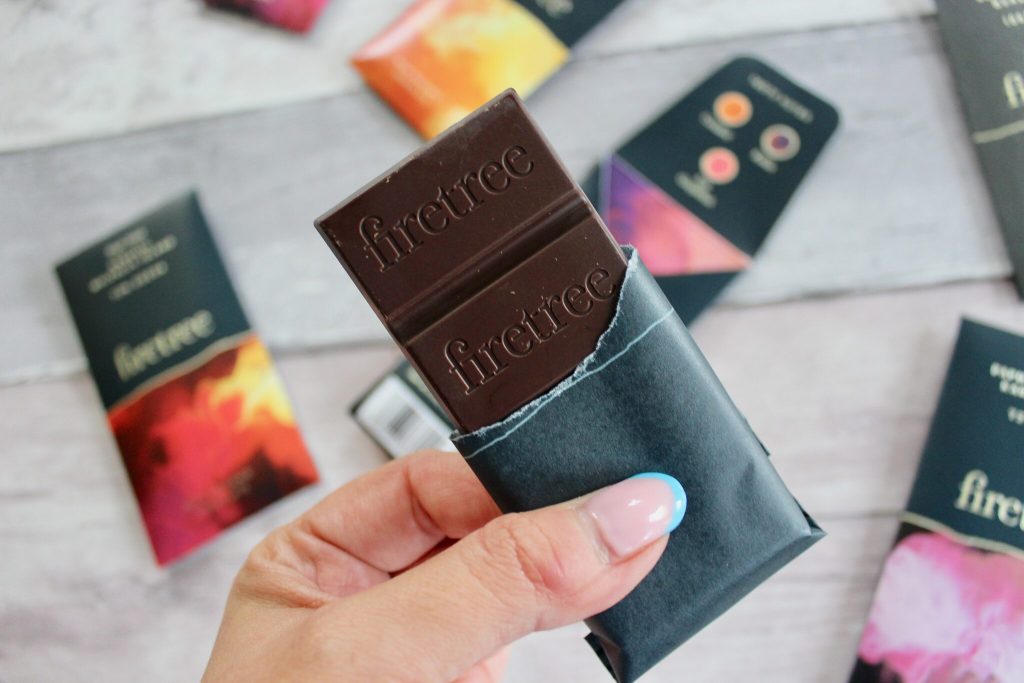
Chocolate. My first love. I’ve always enjoyed trying different types of chocolate when I travel and spend far too much time looking at the local offerings, hoping to find something distinctive to the places I visit. Firetree make that exploration a little easier by bringing chocolate made with cocoa grown in volcanic soil to the UK. For someone who enjoys comparing flavours as much as eating chocolate, a tasting box is an appealing way to explore those differences at home.
What interests me here is the variety within dark chocolate. These bars do not all taste alike, and choosing purely by cocoa percentage would miss much of the fun. Some lean towards fruit, others towards caramel or something more savoury. My favourites were not simply the sweetest or the darkest: they were the ones whose flavours made me want to take another small piece and pay attention.
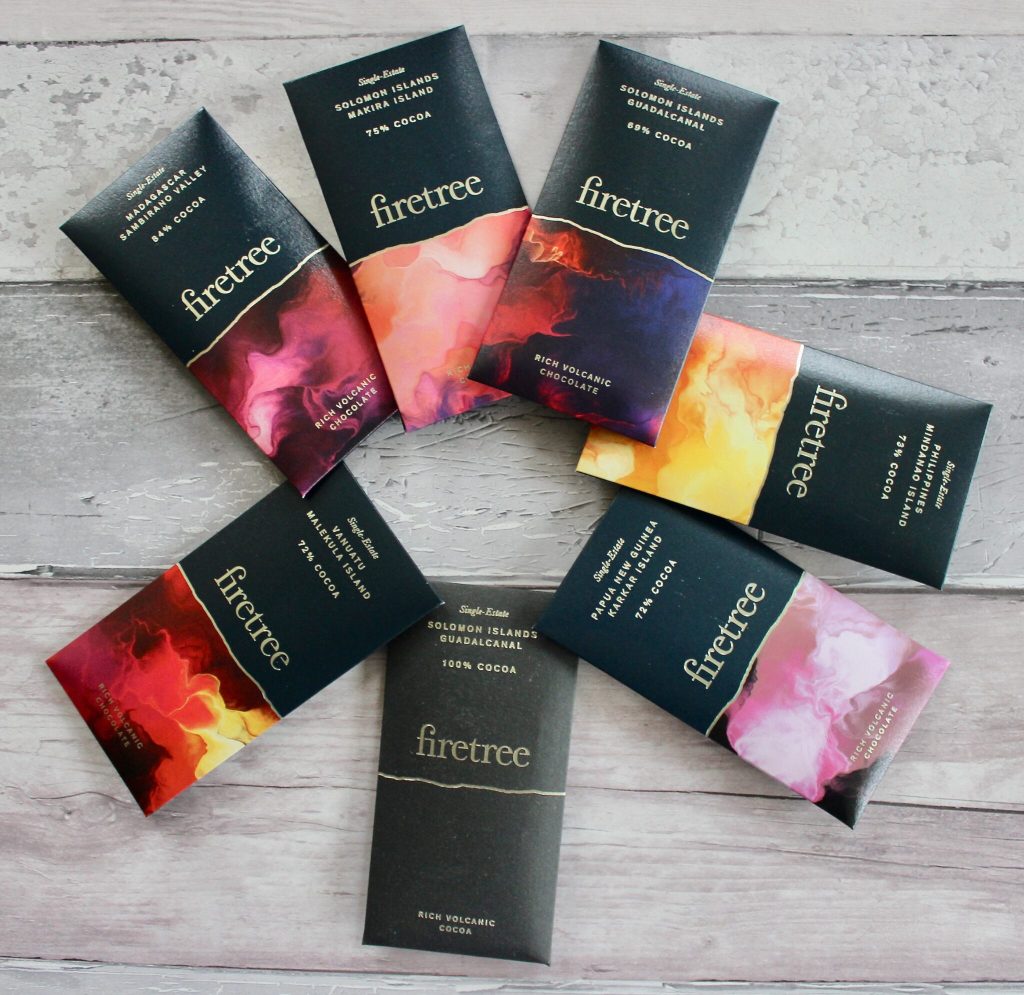
What makes Firetree interesting?
Firetree was founded by chocolate industry veterans David and Martyn, with an emphasis on the relationships between cocoa farmers, their families and the chocolatier. The idea is to understand the making process from the beans onwards, rather than treating cocoa as an interchangeable ingredient.
The volcanic origins are part of the appeal, but I would approach the bars as a tasting experience rather than expecting soil alone to explain every flavour. Growing conditions, fermentation, roasting and chocolate making all contribute to what reaches your mouth. The useful question is whether you enjoy the differences between the finished bars. For me, that is where this selection becomes interesting.
The chocolates in my tasting box
These are the bars in the selection I tried, with the cocoa percentages and flavours that stood out to me. Tasting notes are helpful starting points, not a checklist you need to complete. You might find a different fruit or describe the same sensation differently.
Solomon Islands Guadalcanal 69%
The Guadalcanal 69% has the lowest cocoa content in this selection and felt lighter on my palate, with no noticeable bitterness. Plum, citrus and red fruit notes make it a beautifully balanced chocolate. If you normally find dark chocolate too stern, this would be a sensible place to begin. Let a small piece soften before deciding what you think: the fruity character is easier to appreciate when you give it time.
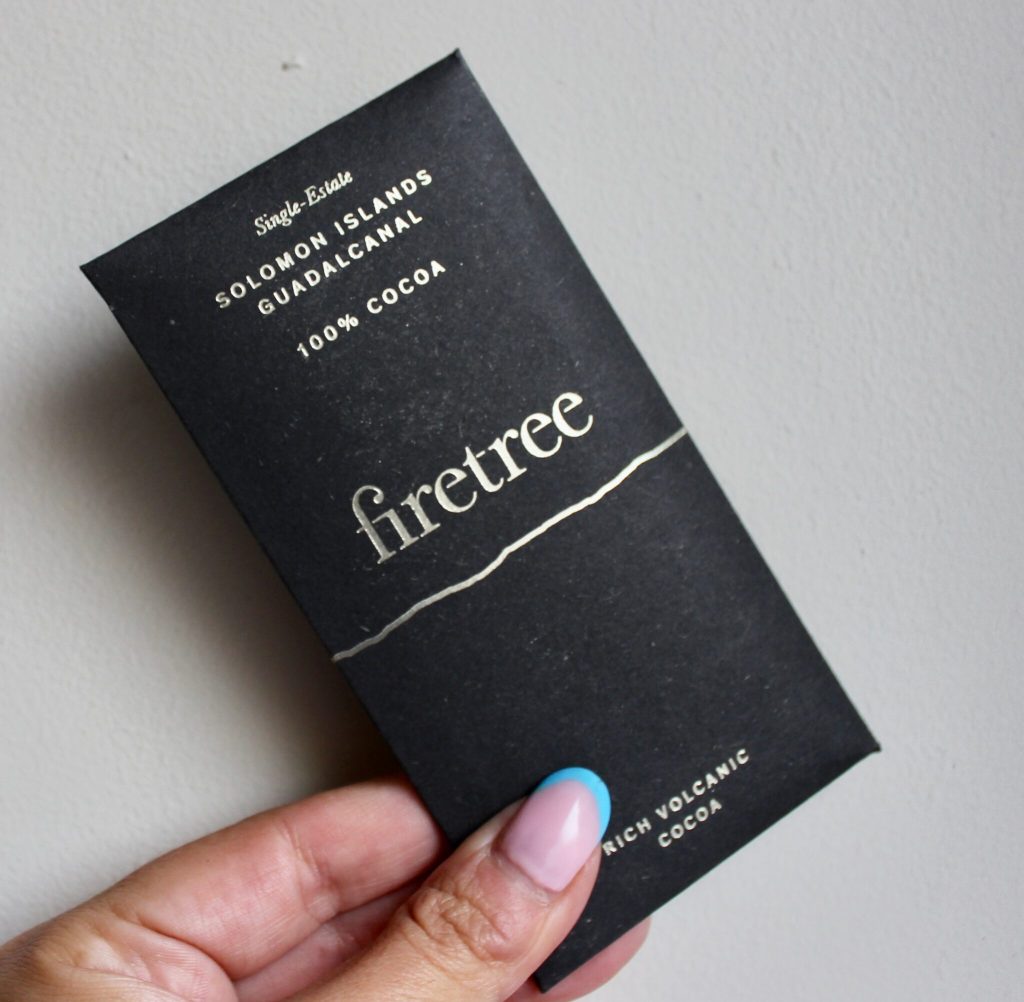
Solomon Islands Guadalcanal 100%
At the other end of the spectrum, the Guadalcanal 100% was a surprise. I have tried chocolate with this cocoa content before, but this felt distinctive and did not strike me as harshly bitter. Firetree’s whole bean roasting is part of its approach, although I would not promise that everyone will experience the same lack of bitterness. This is still an intense chocolate, best approached in a small piece after the gentler bars. Choose it if you enjoy concentrated cocoa flavours, rather than expecting the sweetness of a conventional chocolate treat.
Solomon Islands Makira Island 75%
The Makira Island 75% has subtler flavours, with caramel and raisin notes that feel familiar and comforting. It is delicious and a good starting point if you already enjoy dark chocolate but are new to comparing origins. I would try it beside the Guadalcanal 69%: notice the caramel character against the brighter fruit, rather than concentrating only on the difference in percentages.
Philippines Mindanao Island 73%
There are more caramel notes in the Mindanao Island 73%, alongside a honey-like sweetness and citrus elements. Those are flavour impressions, so do not assume that honey or citrus has been added; check the wrapper for the actual ingredients. This is another approachable option if you enjoy a rounded flavour with a little brightness. It also makes a useful comparison with Makira, because both suggest caramel while taking the overall flavour in different directions.
Vanuatu Malekula Island 72%
My favourite of the range is the Malekula Island 72%. Hints of cherry and white grape give it a really interesting flavour profile, with a touch of lemon rounding things out. This is the one I would return to for the pleasure of eating it on its own. Give yourself a moment between pieces, as the appeal is in the combination of those fruit notes rather than one immediately obvious flavour.
Papua New Guinea Karkar Island 72%
Karkar Island brings a very different character at the same cocoa percentage as Malekula. To me it is more savoury, almost suggesting wild mushroom or truffle, with a touch of bitterness reminiscent of walnuts. That does not mean it contains those ingredients. It is an intriguing contrast if you tend to associate chocolate only with sweetness and fruit. I would taste this after the fruitier bars so its savoury impression has its own space.
Madagascar Sambirano Valley 84%
My second favourite is the Sambirano Valley 84%, which comes alive as it warms in the mouth, revealing juicy red fruits and raspberry. The percentage might make you expect something less approachable, but the fruit is what caught my attention. Try a little piece slowly before taking a larger bite. It is a good reminder that a higher cocoa percentage does not tell you everything about how a bar will taste.
How I would organise a tasting at home
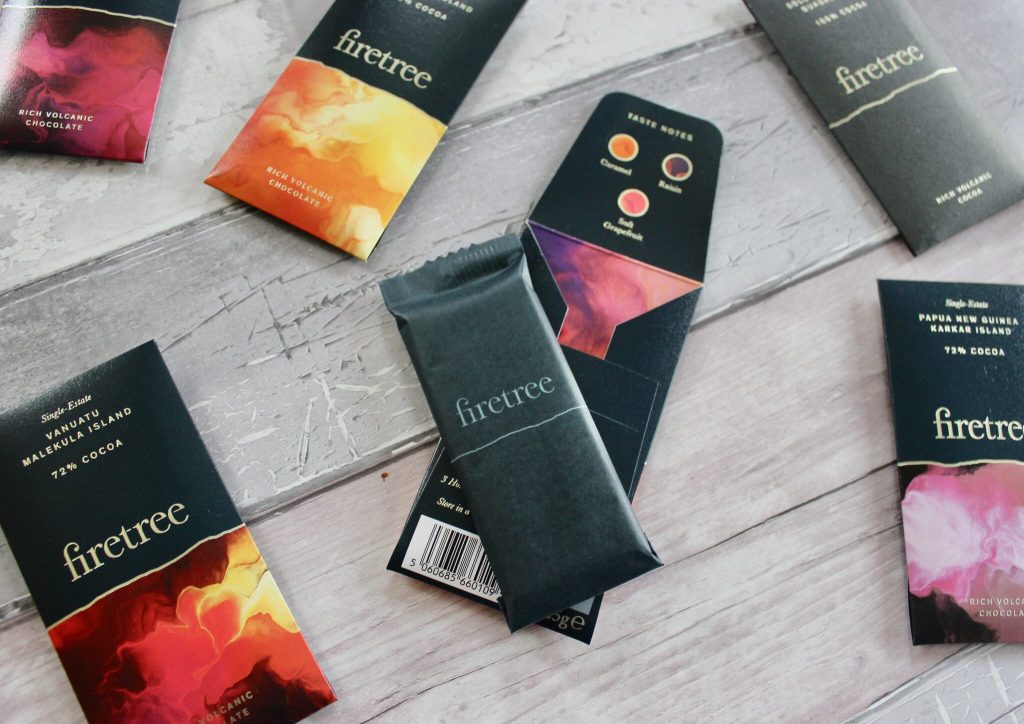
You do not need specialist equipment. A few small plates, water and somewhere comfortable to sit are enough. Keep the wrappers beside the samples so you can identify each bar and check ingredients, but consider tasting before reading all the flavour descriptions. That gives you a chance to notice your own impressions.
- Let the chocolate reach a comfortable room temperature, away from direct heat. Very cold chocolate makes a slow tasting harder.
- Break off small pieces. You can always return for more, and a modest portion makes several bars easier to compare.
- Start with Guadalcanal 69% or Makira 75%, then move through the fruitier and more savoury options. Leave Guadalcanal 100% until the end.
- Smell each piece, let it melt a little, then notice the flavour as you swallow. Take a sip of water between samples.
- Write down a few plain words: fruity, rounded, earthy, sharp or drying. There is no need to produce elaborate tasting notes.
If everything starts tasting similar, stop and save the rest for another day. A smaller comparison can be more enjoyable than working through the whole box in one sitting. With friends, discuss your impressions after everyone has tasted; hearing someone say raspberry first can make it harder to decide what you noticed independently.
Gifting, pairing and keeping the bars
I think these make a thoughtful gift for someone who enjoys exploring chocolate. For a smaller purchase, I would choose Malekula for its fruit or Makira for its familiar caramel and raisin character. Check current box contents and individual labels before buying, especially for dietary requirements or allergies.
For a first tasting, I would keep drinks simple and use water. Coffee or whisky can be enjoyable alongside chocolate, but their strong flavours may distract from the differences you are trying to find. If pairing appeals, taste the chocolate alone first, then revisit a favourite with your drink.
Wrap any remaining chocolate well and keep it somewhere cool, dry and away from strong smells, following the storage advice on the packaging. That lets you spread the experience over several occasions. For me, Firetree’s appeal is that sense of exploration: Malekula and Sambirano Valley are my favourites, but comparing them with the other origins is what makes the selection worth lingering over.