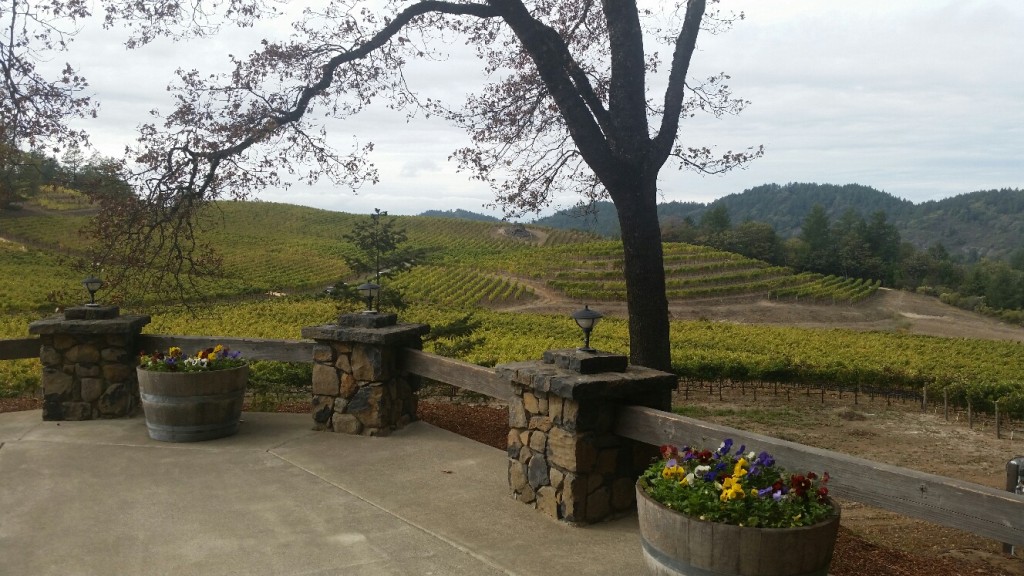
Nestled on Spring Mountain above the Napa Valley you will find Pride Wines. Arriving in the Napa Valley is a daunting experience to say the least. Grapevines line the lush landscape, with large and ornate buildings housing numerous wineries where you can enjoy a wine tasting and, in some cases, incredible art exhibitions. Deciding where to start was our first challenge.
We were completely overwhelmed by the sheer volume of places to visit, so we decided to consult our Lonely Planet guide for the first time on our trip. Lonely Planet recommended Pride Wines, as did our tour company, The American Road Trip Company. Two recommendations and a couple of tweets later, we were booked in for the following day.
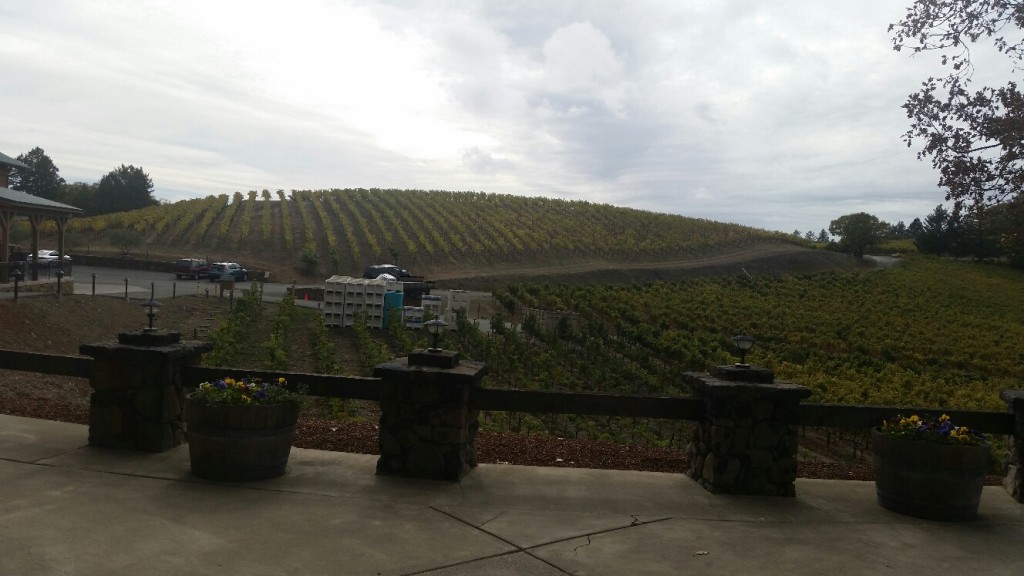
Planning a visit to Pride Mountain
Our booking came together quickly, but I would arrange a visit before setting off up the mountain. Ask which tasting experience is available, what it includes and how long to allow. Our afternoon involved the caves and several different wines; that is a description of our visit rather than a promise that every booking follows the same route. If seeing the working winery is your main interest, mention that when enquiring.
For anyone keeping an eye on their holiday budget, establish the tasting charge and any separate tour costs before committing. It is also worth asking whether non-drinking companions can join and what arrangements apply to them. Choosing one visit you are excited about makes more sense to me than filling the day with bookings simply because there are so many wineries nearby.
The drive up to Pride Wines is spectacular, with some very winding roads. Give yourself breathing space before your appointment so you can take the bends steadily rather than arrive flustered. Decide who will drive before the tasting, or arrange transport that covers the return journey from the mountain. A beautiful view is much easier to appreciate when you are not worrying about getting back down afterwards.
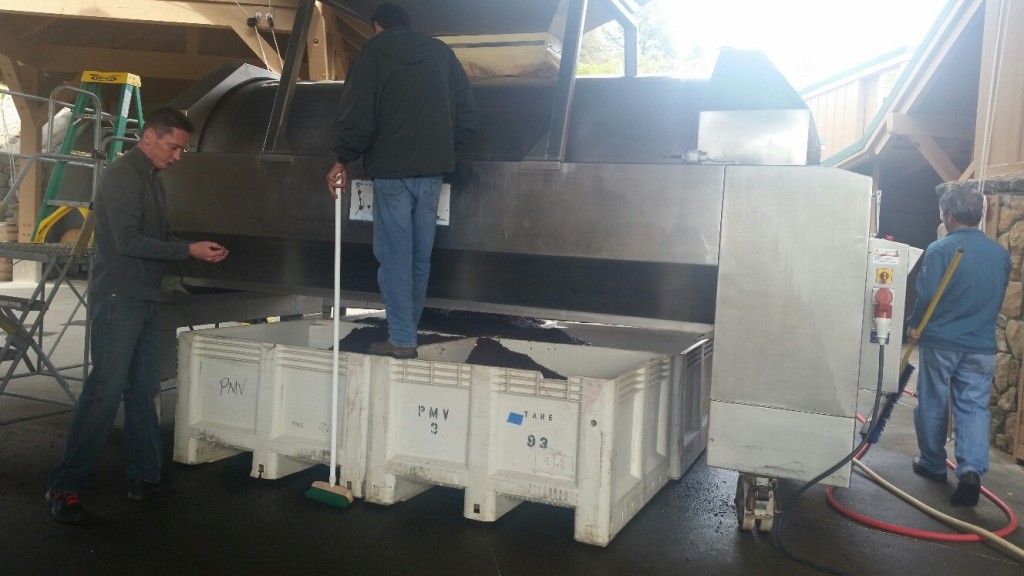
A winery on the Napa and Sonoma county line
The winery sits on the county line between Sonoma and Napa. There was even a visible line on the floor marking the boundary, and our guide explained the distinction between wines grown on either side. I would have taken a photo of the line had I not let out a squeal of excited wine geekery at seeing grapes being crushed straight from the vineyard.
I love seeing where produce comes from, and as a lover of wine this made my day. Living in England means this is not something I see very often. Yes, we have some good wines being made here, predominantly in the south of the country, but I had not managed to get down there to witness the process for myself.
Seeing the grapes being crushed was a fortunate part of our visit, rather than something I would plan a whole trip around without checking first. The work you see will depend on what is happening in the winery when you arrive. Even when nothing dramatic is taking place, asking how the grapes move from vineyard to barrel helps make sense of the equipment around you.
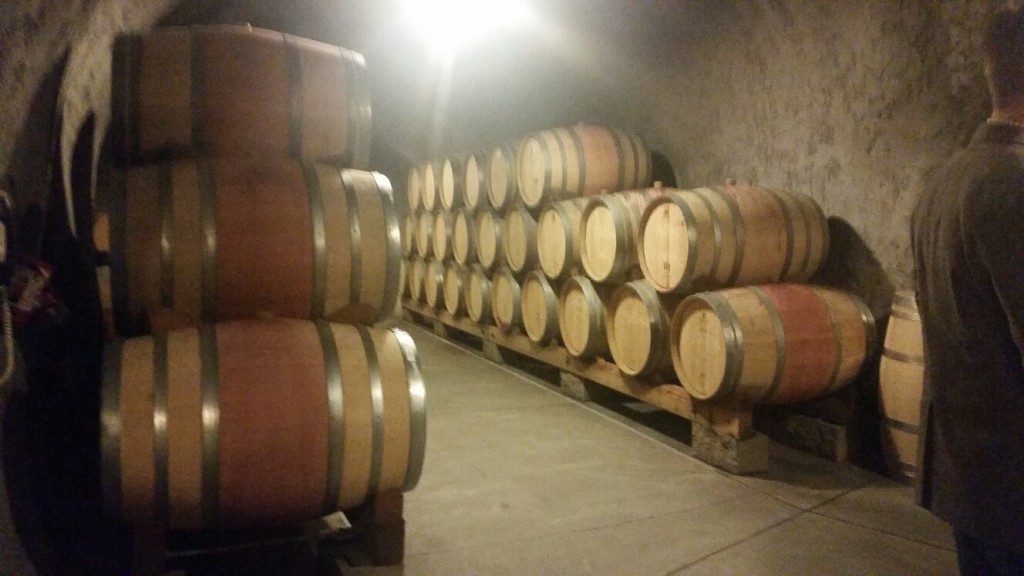
Viognier and a tour of the wine caves
We started by meeting our guide, Jason, and sampling a particularly good viognier. Fairly dark in colour, it had a wonderful apricot aroma, with citrus notes on the palate and a lightly oaked finish. I would have been perfectly happy to relax with the rest of the bottle, but duty called and a tour of the wine caves beckoned. And yes, I was overly excited at the prospect.
You do not need an impressive wine vocabulary to enjoy this bit. Take a moment to smell the wine before sipping, then think about what you actually notice. Apricot was my first impression; yours might be something else entirely. Asking why a wine feels rounded, fresh or dry gives the guide something useful to explain without turning the tasting into an exam.
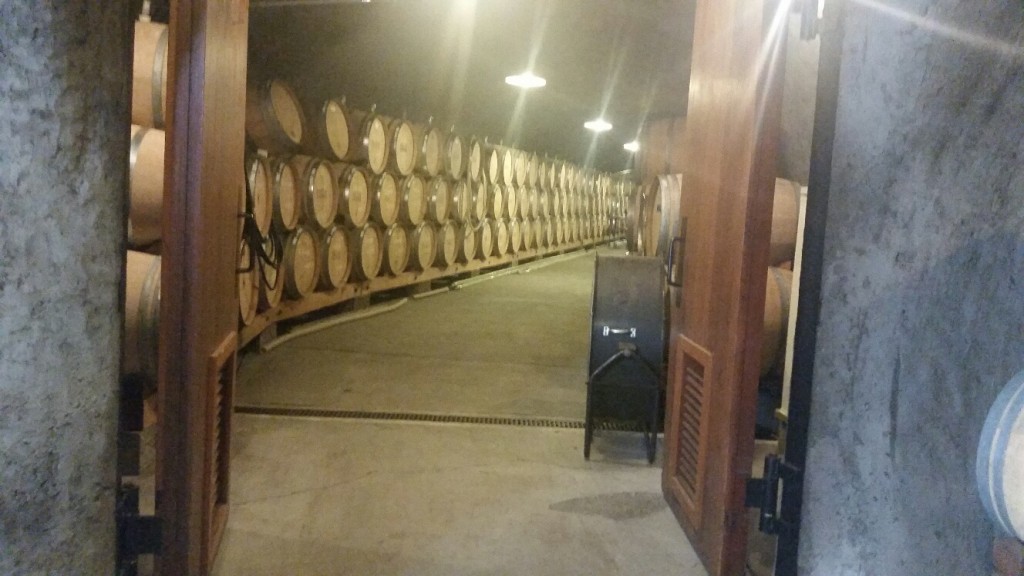
As we wandered through the candlelit caves lined with barrels, Jason talked about Pride Mountain, different vintages and how soils across the Napa Valley contribute to different wines. I listened, although I have to admit I was distracted by staff filling barrels and moving them to their resting places. It was fascinating to watch a working winery in action and see how much care went into each stage.
Before starting this blog, I was quite happy picking up a supermarket wine deal at Asda. Seeing the work behind the bottle gave me a better appreciation of where the money goes when buying a good quality wine. It did not mean I suddenly needed to buy everything we tasted, but it made the afternoon much more interesting than simply working through a line of glasses.
Wear shoes you are comfortable walking in and bring a light layer if you tend to feel chilly indoors. If steps, standing or uneven surfaces might be difficult, ask about the route before booking. A cave tour is much more enjoyable when you know what to expect and can concentrate on the wine and the surroundings.
Comparing two cabernet sauvignon wines
Weather has a huge effect on grapes and how they grow. Jason brought the subject to life by letting us try two cabernet sauvignon wines from different vintages. Until that point I had never considered the growing year very much, but wow, there was a marked difference.
The first was light and fruity with little tannin, whilst the second was so dark you could barely see through it when holding it to the light. Its tannins were much more pronounced, with spicy notes at the back of the throat. Both were beautiful, and our group was divided over favourites. I preferred the second, whilst most opted for the first.
If you get a similar comparison, give each wine a little attention before deciding which you prefer. Notice the colour, smell each glass, then compare the fruit flavours and the drying sensation of the tannins. A quick note such as “softer and fruitier” or “richer with more grip” is enough to help you remember. Different vintages can vary for several reasons, so ask what the guide thinks explains the difference in those particular bottles.
There is no need to finish every pour. Ask for a spittoon or somewhere to discard wine, and take water breaks. You can enjoy the aromas and compare flavours without drinking everything offered. Eating beforehand also makes more sense than arriving hungry and hoping the tasting will somehow double as lunch.
Views, dessert wine and a picnic
Music wafted through the tunnels as we walked. Jason explained that staff took turns choosing what to play, and he talked about the blending work of winemaker Sally Johnson at the time of our visit. It sounds like a wonderfully enjoyable job, though hearing about the decisions involved made me appreciate how demanding it must be.
Jason let us drop by the VIP tasting room to see the vineyard views from the terrace before ushering us back into the main tasting room for a very special brandy-infused dessert wine. It was a lovely finish. If a bottle tempts you, ask how it is best served and stored once opened; those details are more useful at home than a tasting note you cannot decipher.
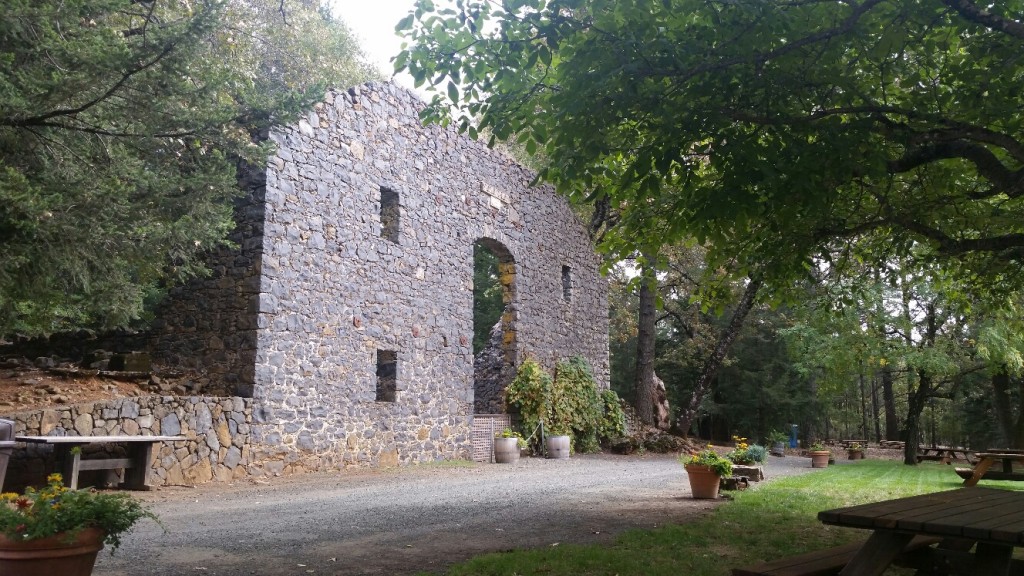
As we said goodbye, Jason encouraged us to explore the grounds. We had bought cakes earlier and found a beautiful picnic spot next to an old building to enjoy them. Ask where outside food is permitted before unpacking, and leave time to sit rather than rushing straight to another appointment.
It was the perfect end to an afternoon of particularly stonking wines. My only disappointment was that I did not know where to buy Pride Mountain wines in the UK. If you feel similarly tempted, ask about availability and transport arrangements before purchasing. For me, though, watching the winery at work and enjoying that mountain setting were as memorable as anything in the glass.