A Paloma should leave you wanting another sip: grapefruit up front, a little lime, tequila underneath and enough fizz to keep everything lively. When it tastes like melted sweets, adding more lime can seem like the obvious fix. Sometimes that helps. Sometimes it just gives you a drink that is both too sweet and too sour.
The better approach is to work out which ingredient needs adjusting before adding anything. Grapefruit juice and grapefruit soda behave differently, tequila needs room to show through, and melting ice changes the drink as you sip. With a measured starting point, you can make a balanced Paloma without buying a cupboard full of mixers.
Decide what needs balancing
Take a small sip of your grapefruit ingredient before mixing. Fresh juice can be soft and sweet, sharply acidic or noticeably bitter. Bottled juice may have added sugar, so check the label. Grapefruit soda brings its own sweetness, acidity and bubbles; its flavour can range from juicy to quite perfumed.
Think about sweetness, sourness and bitterness separately. A bitter grapefruit finish does not necessarily mean the drink needs sugar. Equally, a sharp squeeze of lime does not remove sugar already in the glass. Your aim is a drink in which no single sensation hangs around long after the grapefruit flavour has gone.
Measure your first glass, even if you normally pour by eye. A small measuring jug or tablespoon is enough. Keep the ingredients cold and use a glass with room for ice and a gentle stir. Changing one thing at a time makes it much easier to understand what worked.
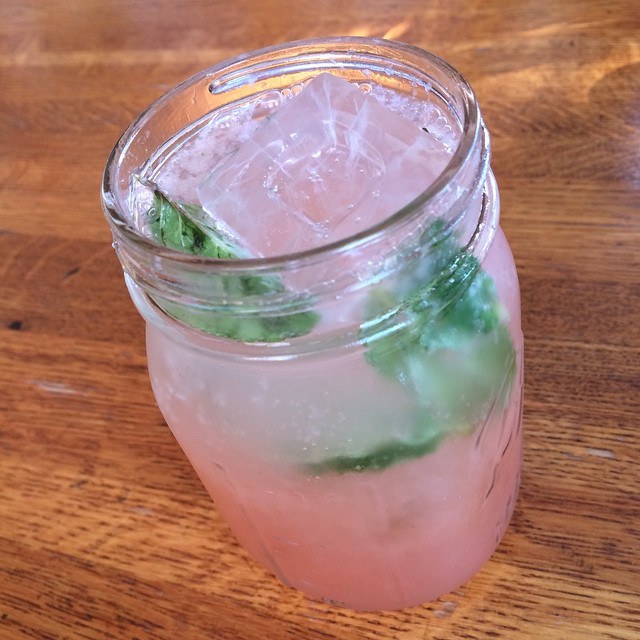
A fresh grapefruit Paloma starting point
Fresh juice gives you direct control over sweetness because you choose whether to add any syrup. These quantities make one drink and are a starting point rather than a fixed rule for every grapefruit.
- 45 ml blanco tequila
- 60 ml fresh grapefruit juice, strained if very pulpy
- 10 ml fresh lime juice
- 60 ml chilled plain sparkling water, plus more to adjust
- Optional: 5 ml simple syrup made with equal parts sugar and water
- Ice and an optional small pinch of salt
- Fill a tall glass with ice. Add the tequila, grapefruit juice and lime juice.
- Stir briefly to combine and chill, then add the sparkling water.
- Give it one gentle stir and taste. Leave out the syrup unless the finished drink needs it.
- If necessary, add syrup in small amounts, stirring gently and tasting between additions.
Do not judge the juice mixture before adding the water and assume it needs sweetening. Concentrated citrus can seem aggressive on its own. Once chilled and lengthened, it may be exactly where you want it. Conversely, a particularly tart grapefruit might need a little syrup to soften the edges.
Adjust grapefruit before reaching for sugar
If the drink tastes thin and mostly of lime, add a little more grapefruit juice. If grapefruit bitterness dominates, avoid squeezing or crushing peel into the glass while trying to extract the last drops. Juice the fruit gently and taste the juice separately to check whether that bitterness is already present.
More grapefruit is not always the answer to excessive sweetness: the juice brings natural sugars as well as acidity. When the drink already tastes strongly of grapefruit but finishes too sweet, a small addition of plain sparkling water is often the more useful adjustment.
Balance a Paloma made with grapefruit soda
The soda approach is straightforward, but you have less control over the relationship between sugar and grapefruit flavour. Start with 45 ml blanco tequila, 90 ml chilled grapefruit soda and 5 ml fresh lime juice over plenty of ice. Stir gently and taste before adding more lime or mixer.
If the soda is very sweet, replace part of it with plain sparkling water. Try 60 ml grapefruit soda and 30 ml sparkling water while keeping the tequila and lime the same. You can adjust from there without turning the drink into an increasingly large serving.
If that blend loses too much grapefruit character, add a small splash of unsweetened grapefruit juice. This restores some fruit flavour, though it also changes the acidity and bitterness. Taste again before adding lime. Avoid automatically combining a full measure of soda, juice and syrup: each addition needs a reason.
A soda sold without sugar can still taste very sweet because of its sweeteners. Treat it according to how it tastes in the glass. Plain sparkling water can reduce its intensity, but adding lime may leave the sweetener’s aftertaste just as noticeable.
Use lime as a fine adjustment
Lime should brighten the grapefruit rather than take over. Add it in small steps, around half a teaspoon at a time. Stir, then taste again. If the drink becomes puckering while still tasting sugary, stop adding acid and address the concentration with a little water instead.
For the next glass, reduce the sweet mixer at the start. It is easier to build a balanced drink than rescue one after several competing additions. Keep a brief note of the proportions if you are using the same bottle of soda throughout a weekend away or a shared dinner.
Give tequila and dilution their own attention
Blanco tequila is a useful starting choice because its flavour can sit clearly alongside the citrus. Use a tequila you enjoy with a simple mixer; you do not need a special bottle solely for this drink. A reposado can also work, though its oak and vanilla notes may make the drink seem rounder or sweeter.
If the Paloma tastes hot or heavily alcoholic, do not immediately cover it with syrup. First stir it with the ice and add a little sparkling water. If it still feels too strong, use less tequila in the next serving. Adding more tequila to counter sweetness can create a stronger drink without solving the balance.
Ice is part of the recipe. Fill the glass generously with solid cubes and chill the mixers beforehand. A few small pieces of ice in warm liquid can melt quickly, leaving the drink poorly chilled and diluted unevenly. Taste after the first stir, then again after a short pause.
If the drink starts balanced but becomes watery, reduce the initial sparkling water slightly next time or use larger cubes. If it starts harsh and improves as the ice melts, it probably needed more dilution at the beginning. Keep sparkling ingredients out of a shaker; build them into the glass to preserve the bubbles.
Keep salt and garnish restrained
A small pinch of salt can soften the perception of bitterness, but it is optional. If you enjoy a salted rim, coat only part of the rim so you can choose how much reaches each sip. Taste before adding salt both inside the drink and around the edge.
A grapefruit wedge or a small piece of peel is enough garnish. Keep thick white pith out of the drink and avoid muddling the garnish. Sugared rims and sweetened garnishes can also change how sweet the cocktail feels, even when the liquid itself is balanced.
A separate alcohol-free adaptation
For an alcohol-free grapefruit cooler, start with 75 ml fresh grapefruit juice, 5 ml lime juice and 90 ml chilled sparkling water over ice. Stir gently, then taste. Add a little syrup only if the fruit is too sharp, and an optional tiny pinch of salt if the bitterness needs softening.
This version needs its own proportions because removing tequila changes both the flavour and the volume. Simply replacing it with extra grapefruit soda can push sweetness to the front. For a soda-based alternative, begin with equal amounts of grapefruit soda and plain sparkling water, then add lime cautiously.
If you use an alcohol-free spirit alternative, check its label and taste it separately first: some bring sweetness or strong botanical flavours. Add a modest amount, then reassess the citrus and water. Serve the finished drink promptly, while the bubbles and cold temperature keep the grapefruit tasting fresh.