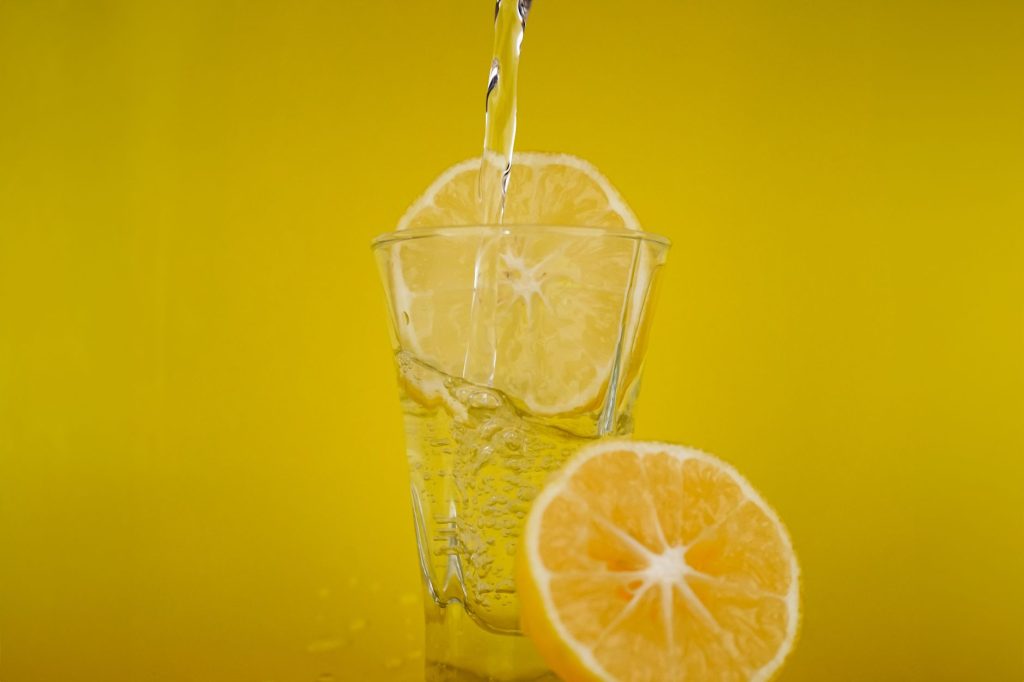
A lemon shrub gives sparkling water a bright, rounded bite: lemon for freshness, sugar for body and vinegar for a tang that lasts beyond the first sip. The trick is keeping those parts in conversation. Too much vinegar can hide the fruit; too little sweetness can make both acids feel sharper than you intended.
I like to start with a small jar, let the fruit and sugar make their own syrup, then add vinegar gradually. That leaves room to adjust without committing a whole bag of lemons to an overly sour concentrate. You will judge the finished shrub in sparkling water, because a syrup tasted straight tells only part of the story.
What makes a lemon shrub balanced?
A shrub is a sweetened fruit-and-vinegar concentrate intended for dilution. With lemon, you already have a strongly acidic fruit, so a generous vinegar addition is not automatically helpful. The aim here is recognisable lemon, enough sugar to soften the edges and a vinegar note that adds interest without dominating.
Balance also depends on how you serve it. A concentrate that seems sweet on a spoon may taste pleasantly crisp after dilution. One that seems excitingly tart straight from the jar may become thin and harsh in a tall glass. Keep your preferred serving strength in mind throughout the process.
A small batch you can adjust
This starting formula deliberately holds back some vinegar. Use ordinary kitchen scales if you have them, but do not worry about extracting an exact quantity of juice from each lemon. Fruit varies; the tasting steps account for that variation.
- 2 medium lemons, washed and dried
- 150 g granulated white sugar
- 60 ml mild white wine vinegar or apple cider vinegar, plus a little extra for adjustment
- Chilled plain sparkling water, for testing and serving
You will also need a clean, non-reactive bowl or wide-necked jar, a vegetable peeler, a fine sieve and a clean bottle or jar with a lid. Choose food-grade culinary vinegar with a labelled acidity, rather than an unlabelled homemade vinegar. White wine vinegar keeps the flavour relatively clean; apple cider vinegar adds a softer fruit note of its own.
White sugar makes it easier to notice the lemon and vinegar separately. Brown sugar can work, but its darker flavour changes the result. For your first batch, keeping the ingredients simple makes adjustments easier to understand.
Use sugar to draw out the lemon flavour
Prepare the peel and fruit
Peel thin strips of yellow zest from one lemon, leaving as much white pith behind as possible. That outer peel supplies fragrant oils; thick layers of pith can contribute bitterness. If your peeler takes off a heavy white layer, trim it away before adding the peel to the jar.
Cut away the remaining rind and pith from that lemon and peel the second lemon with a knife. Chop the exposed flesh into small pieces over a bowl to catch the juice. Remove visible seeds. You are using the flesh and juice from both lemons, but only the thin yellow peel from one.
Macerate in the fridge
Put the prepared peel, chopped flesh, collected juice and sugar into your clean bowl or jar. Stir thoroughly, pressing the fruit gently with the back of a spoon. Cover and refrigerate for 12 to 24 hours, stirring once or twice if convenient.
This rest is maceration: sugar draws liquid from the fruit, gradually forming a syrup. Mixing sugar with the peel also helps collect its aromatic oils. You do not need to pulverise everything. Gentle pressure gives the sugar access to the fruit without turning the mixture into a pulp that is awkward to strain.
By the end of the rest, expect a wet, fragrant mixture with softened fruit. Some sugar may remain on the bottom. Stir again before straining; any stubborn grains can dissolve when you add the vinegar.
Strain before setting the vinegar balance
Set a fine sieve over a clean jug and pour in the macerated mixture. Let it drain, then press the fruit lightly with a spoon. Avoid grinding the peel against the mesh, which can introduce more bitterness and fine solids. Discard the strained fruit and peel.
A little cloudiness is perfectly normal for this style of drink. If you want fewer floating particles, pass the syrup through a second, finer sieve. A paper filter can be slow with a thick syrup, so it is not essential.
Stir 60 ml vinegar into the strained syrup until the sugar has dissolved. Cover and refrigerate for a few hours before making your final adjustment. The rest gives you a more settled mixture to assess, although it does not remove acidity or fix an excessive vinegar addition.
Test a glass before changing the jar
Begin with 15 ml shrub and 120 ml chilled sparkling water. Stir gently and taste before adding ice. This gives you a repeatable starting point without melting ice changing the dilution while you decide.
Ask three questions: can you identify the lemon, does the sweetness carry it through the middle of the sip, and does the finish make you want another mouthful? A little vinegar aroma is part of a shrub, but it should leave room for the citrus.
- If it tastes too strong overall: add another splash of sparkling water before altering the concentrate.
- If it tastes sweet and flat: put a small splash of the concentrate in a separate cup, add a few drops of vinegar, then dilute and compare.
- If it tastes sharp and thin: test a little sugar syrup in your glass. More water alone may reduce the flavour without restoring balance.
- If vinegar overwhelms the lemon: try less shrub per glass first. For a future batch, use a gentler vinegar or begin with a smaller addition.
For a quick adjustment syrup, dissolve equal weights of sugar and hot water, then let it cool. Add it sparingly to the test drink. Record what you used before changing the whole batch, and scale up cautiously: a few drops in a small sample can represent a substantial addition to the jar.
Build a sparkling drink around it
Once the test glass tastes right, add ice and adjust to your preferred strength. Pour the sparkling water slowly down the side of the glass and stir briefly to retain its bubbles. A strip of fresh lemon peel makes a simple garnish; an extra squeeze of juice is optional, not a required finishing touch.
The shrub is useful without alcohol, but it can also supply sweetness and acidity in a spirit-based drink. Start with a small measure alongside gin or vodka, then lengthen with sparkling water. Taste before adding other citrus or syrups, since the shrub already performs both jobs.
Store a small batch carefully
Transfer the finished shrub to a clean, covered container, label it with the preparation date and refrigerate promptly. This is a fresh refrigerator concentrate, not a shelf-stable preserve. Sugar and vinegar are not a reason to leave this recipe on the counter or treat it as suitable for home canning.
Make only what you expect to use within a week, use clean utensils and return the container to the fridge after pouring. Discard it if you notice mould, unexpected bubbling or an unusual smell; do not taste it to check whether it is safe. For the next batch, keep your notes on vinegar quantity and serving dilution. Those two details make a favourite glass much easier to repeat.