A Manhattan does not demand a mixing glass, a long bar spoon or a polished jigger. It demands a useful measure, cold ingredients and enough stirring to bring whiskey, sweet vermouth and bitters together. A measuring spoon, a sturdy jug and a small kitchen sieve can handle those jobs. The trick is understanding what each tool is supposed to achieve, so you can make sensible adjustments instead of chasing specialist equipment.
This is a drink to make slowly and serve in a modest portion. Start with one cocktail: it is easier to judge the dilution, and you can change the next one without committing a whole jug of ingredients.
The recipe and the kitchen kit
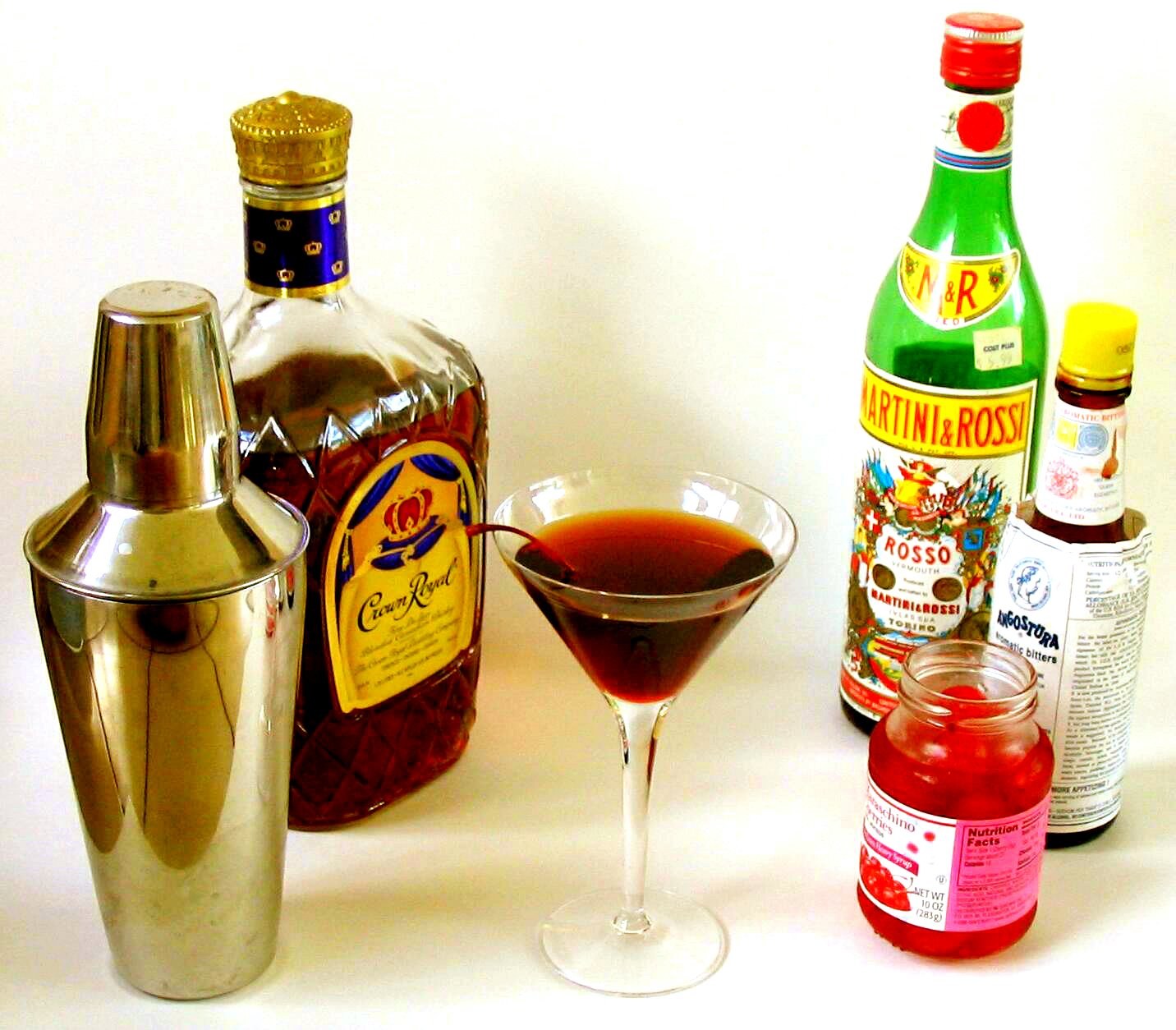
For a straightforward starting point, use two parts whiskey to one part sweet vermouth, with aromatic bitters. Rye gives a more peppery direction; bourbon generally takes things towards a rounder, sweeter impression. Neither requires a particular brand. Choose something you already enjoy, and use sweet vermouth rather than dry vermouth for this version.
- 60 ml whiskey
- 30 ml sweet vermouth
- 2 dashes aromatic bitters
- Plenty of solid ice
- A cocktail cherry or a small strip of orange peel, optional
Gather a food-safe measuring spoon or small marked measure, a sturdy jug with room for stirring, a teaspoon or long-handled spoon, a small sieve and a serving glass. A clean jam jar can replace the jug if its opening comfortably admits the spoon and ice. Avoid thin or damaged glassware, and do not use a vessel still warm from washing.
A small wine glass works well for serving. If you prefer the drink over ice, use a short tumbler and one or two large cubes. A Manhattan served without ice keeps changing as it warms; one served over ice keeps changing as the ice melts. Both are workable choices, but they call for slightly different attention at the stirring stage.
Measure consistently before you adjust anything
Kitchen tablespoons are useful only if you know their capacity. A measuring tablespoon labelled 15 ml makes the recipe four spoonfuls of whiskey and two of vermouth. Some tablespoon measures hold 20 ml, so read yours first. An ordinary eating spoon is not a reliable measure, and a large measuring jug may have markings too widely spaced to read a small serving accurately.
If your only dependable measure is a labelled 5 ml teaspoon, use twelve measures of whiskey and six of vermouth. That is repetitive, but perfectly practical for one drink. Fill each measure consistently without spilling it over the edge. You can also scale the recipe down to 40 ml whiskey and 20 ml vermouth while keeping the same ratio.
Add the ingredients to the empty mixing vessel before the ice. This gives you time to measure without melting ice while you count spoonfuls. Add two deliberate dashes of bitters, keeping the bottle angle similar each time. A dash is not an exact universal volume: bottle openings differ. Treat two as a starting point rather than a guarantee of identical seasoning from every bottle.
Chill the glass and prepare the ice
Fill the serving glass with ice and a little cold water while you prepare the cocktail. Empty it just before straining, and let the last water drain away. This simple step keeps the finished drink colder without adding unwanted water to it. There is no need to put delicate glassware in the freezer.
Use fresh-smelling ice from a clean tray or covered container. Ice that has absorbed freezer odours can make a carefully measured drink taste odd. If the cubes are sitting in meltwater, lift them out with a spoon rather than tipping the whole watery contents into your jug.
Fill the mixing vessel generously with ice, leaving enough space to move the spoon without splashing. A couple of lonely cubes melt quickly and offer little cold surface around the liquid. You want the ingredients nestled among the ice, not a tall layer of drink with a few cubes floating at the top.
Stir for coldness and dilution
Slide the spoon down the inside wall of the jug and move it around the edge. Aim to rotate the ice together rather than beat it into fragments. A teaspoon works with a small vessel; a longer spoon is more comfortable in a deeper jug. Hold the vessel steady on the counter and keep the movement gentle.
Stirring does two jobs: it chills the mixture and melts some ice into it. That water is part of the drink. Without enough dilution, even a correctly measured Manhattan can seem hot, dense and disconnected. Too much water makes the flavours seem thin. Your aim is a cold, integrated sip with a clear whiskey character and enough vermouth to soften its edges.
Start checking after roughly twenty seconds, but do not treat a stopwatch as the final judge. Ice size, ingredient temperature and the shape of your vessel all change the result. Lift a little liquid with a clean teaspoon and taste it. Use a fresh spoon if you are preparing drinks for anyone else.
If the sip feels warm and sharply alcoholic, keep stirring and check again. If it is cold but still forceful, decide whether it needs more dilution or a recipe adjustment. A little more stirring can help you tell: if the drink becomes smoother while keeping its flavour, you were short of water. Stop when it tastes cohesive, before it becomes watery.
Strain with a kitchen sieve
Empty the chilling water from your serving glass. Hold a clean small sieve securely over it and pour the cocktail through in one controlled motion. The sieve catches the ice and most small fragments. Pour slowly if your sieve is shallow, and keep the jug close enough to avoid splashes.
If you have no sieve, use a broad spoon to hold the ice back against the jug’s pouring lip. Tip gently and accept that a few small shards may escape. Do not try to balance a loose lid over the opening or strain through your fingers. For a tumbler version, strain onto fresh cubes rather than transferring the partially melted mixing ice.
Add a drained cocktail cherry if you like, avoiding an accidental spoonful of syrup. Alternatively, gently squeeze a small piece of orange peel over the drink to release its oils, then drop it in or discard it. Keep the garnish restrained while learning the balance: a lot of syrup or citrus oil can obscure what your measuring and stirring have achieved.
Fix the balance one change at a time
It tastes too sweet
First check whether cherry syrup slipped in, and whether you measured the vermouth correctly. For the next drink, try 60 ml whiskey with 25 ml sweet vermouth. Keep the bitters and stirring approach the same so you can judge that single change. Extra bitters may add contrast, but they do not remove sugar.
It tastes too hot or too dry
Check dilution before adding more vermouth. A short stir is a common reason for a harsh sip. If the drink is properly chilled and diluted but you want a rounder balance, increase the vermouth by 5 ml next time. Whiskey style also matters; changing the bottle and the ratio together makes it harder to understand either effect.
It tastes flat, bitter or strangely stale
A thin drink may have been stirred too long or made with wet ice. An overly bitter one may need fewer dashes. If the flavour seems stale or unexpectedly sour, check the vermouth: refrigerate it after opening and follow its storage guidance. Do not try to cover an unpleasant ingredient with extra whiskey or garnish.
Write down the ratio you liked, your measuring tool and any small adjustment. With those details settled, making another Manhattan becomes a calm kitchen routine: measure carefully, chill thoroughly, stir with purpose and strain while the drink is cold.