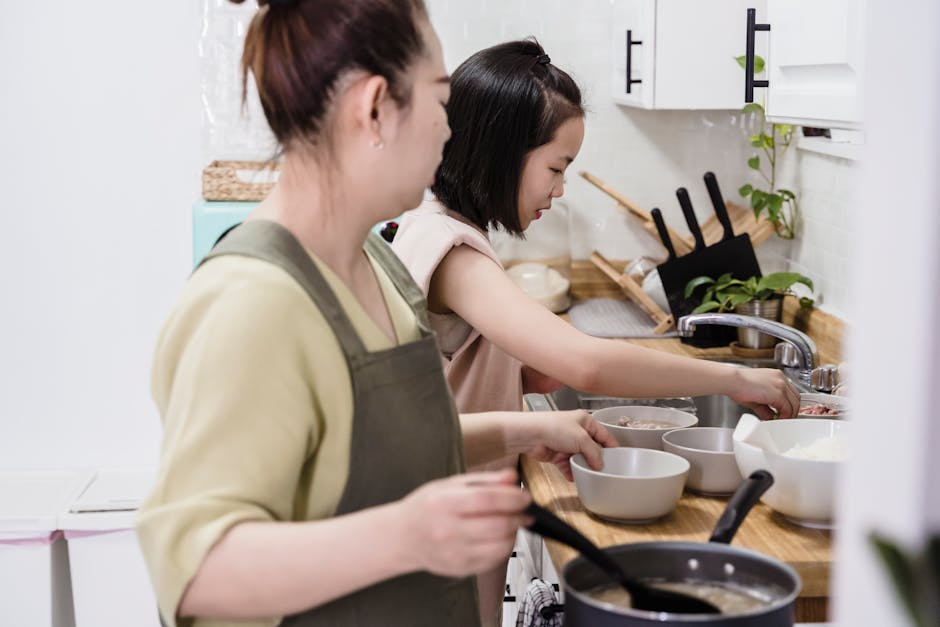
Shakshuka suits a shared kitchen because most of the work happens in one pan: soften vegetables, simmer a tomato sauce, then settle eggs into it. Bread does the job of a side dish and helps scoop up the last spoonfuls. The part that deserves planning is the counter space. In a hostel kitchen or a holiday flat, having everything ready before you turn on the hob makes cooking calmer for you and whoever needs the next burner.
This simple version serves two, using a tin of tomatoes, a pepper and four eggs. It is a flexible home-style approach to a dish with roots in North Africa and a place in many regional food traditions. You do not need an oven, a blender or a cupboard full of spices. You do need a pan with a lid, a little patience with the sauce and a clear idea of how everyone likes their eggs.
What you need for two people
Allow about 35 minutes, with a little extra time if the hob is slow or your tomatoes are particularly watery. A deep frying pan around 24 cm wide gives four eggs room to sit in the sauce without crowding. Choose stainless steel, enamelled cookware or another pan suitable for simmering tomatoes.
- 1 tablespoon olive oil
- 1 medium onion, finely chopped
- 1 medium red or yellow pepper, deseeded and cut into small pieces
- 2 garlic cloves, finely chopped
- 1 teaspoon ground cumin
- 1 teaspoon sweet or smoked paprika
- A pinch of chilli flakes, optional
- 1 tablespoon tomato purée, optional
- 1 tin chopped tomatoes, about 400 g
- 2 tablespoons water, plus more if needed
- 4 eggs
- Salt and black pepper, to taste
- A small handful of parsley or coriander, optional
- Bread, to serve
You will also need a chopping board, a knife, a stirring spoon, a small cup for cracking eggs and two plates or bowls. A clean, heatproof lid that fits the pan is useful because trapped steam cooks the tops of the eggs. Check the cupboards before beginning; discovering that the only lid belongs to someone else’s saucepan is an awkward halfway point.
Stage everything before taking the hob
First, check that the kitchen equipment is clean and the cooking space is available. Wash your hands, rinse the pepper and herbs, then chop the onion, pepper and garlic. Keep the garlic apart from the other vegetables because it goes into the pan later and burns more quickly.
Measure the spices into a small dry cup or onto a corner of your plate. Open the tomatoes and set out the tomato purée if using it. Keep the eggs refrigerated until you are ready to cook them. Put the bread and serving plates somewhere away from the raw ingredients.
This is also the moment to ask your eating companion about the eggs. If one person wants firm yolks and the other prefers softer ones, you can add the firm-yolk eggs first. For a straightforward food-safety approach, cook both whites and yolks until firm; pasteurised eggs are the better choice if you intend to leave yolks soft.
Build a sauce worth dipping into
1. Soften the onion and pepper
Set the pan over medium heat and add the oil, onion and pepper with a small pinch of salt. Cook for roughly 8–10 minutes, stirring regularly, until the onion is soft and the pepper has lost its raw crunch. Turn the heat down if the edges darken before the centres soften.
Small pieces help here. Large strips of pepper take longer to soften and make it harder to form tidy hollows for the eggs. If the vegetables start sticking, add a spoonful of water and scrape gently with your stirring spoon.
2. Add the garlic and spices
Stir in the garlic, cumin, paprika and optional chilli flakes. Cook for about 30 seconds, just until fragrant. Add the tomato purée, if using, and stir for another minute. Keep everything moving so the spices do not catch on the bottom.
3. Simmer until thick
Add the chopped tomatoes and the measured water. Stir thoroughly, bring to a gentle bubble, then reduce the heat. Simmer uncovered for about 10–15 minutes, stirring occasionally. The aim is a thick but spoonable sauce, with enough moisture to surround the eggs without turning into soup.
Drag your spoon across the bottom of the pan. If the track stays visible briefly before the sauce closes over it, you are close. If liquid immediately floods the gap, give it more time. If the sauce begins to look dry or sticks, add water a tablespoon at a time.
Taste now, before adding the eggs. Adjust the salt, pepper and chilli. If the tomatoes taste sharp, simmer a little longer before deciding whether they need anything else. Bread and eggs will soften the overall flavour, so the sauce should taste well seasoned without being aggressively salty.
Cook the eggs to your preference
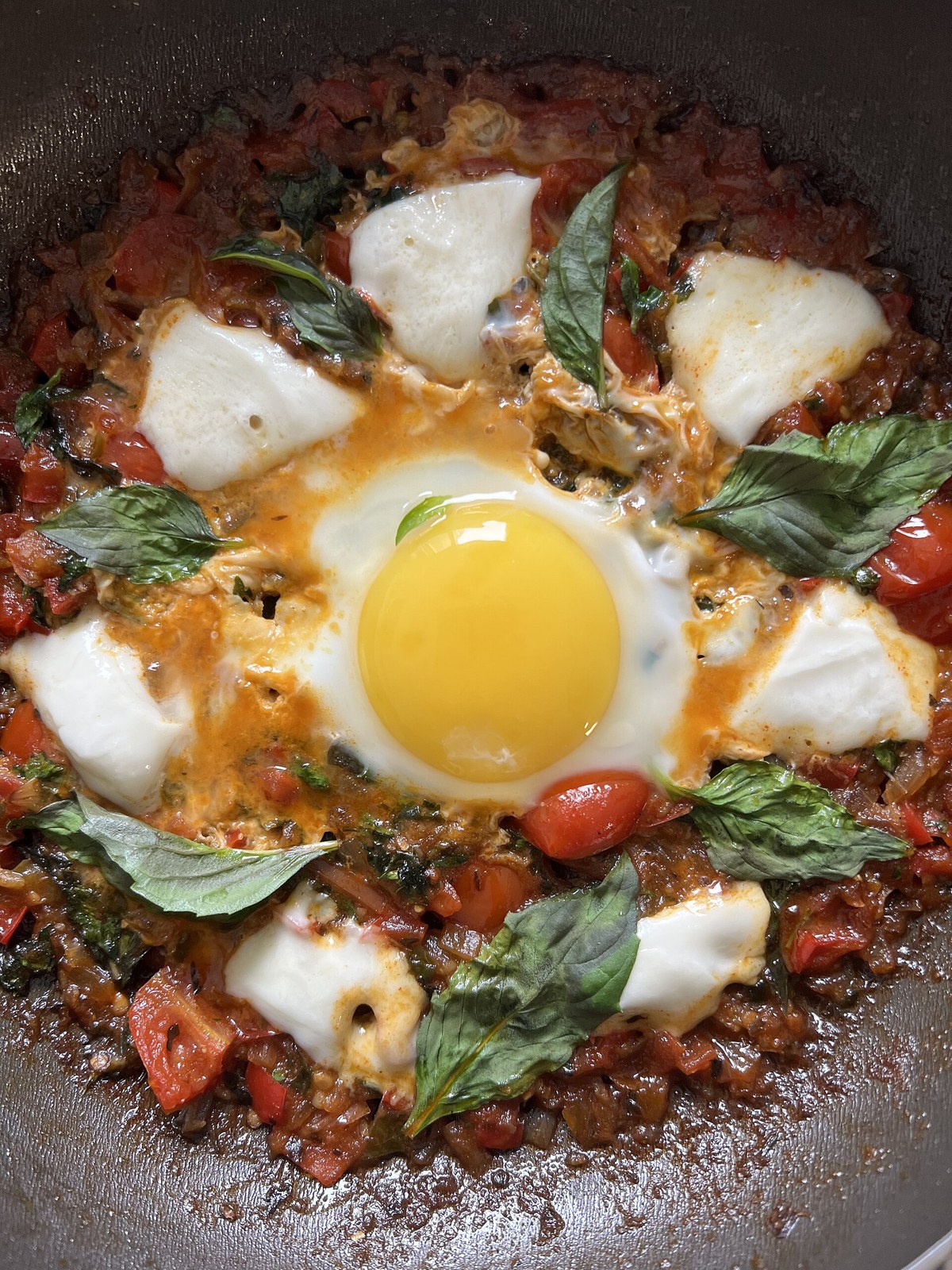
Use the back of a spoon to make four shallow hollows. Leave a little sauce beneath each one so the eggs do not sit directly against the hot pan. Crack an egg into the clean cup, then slide it into a hollow. Repeat with the remaining eggs. This gives you a chance to remove any shell before it reaches the sauce.
Keep the heat low and cover the pan. Begin checking after about 5 minutes, lifting the lid carefully so steam escapes away from your face. Timing varies with the pan, the hob and the size of the eggs. Look at the whites rather than trusting a timer: they should be opaque and set, including the thicker patches next to the yolks.
For firm yolks, leave the lid on longer and check at short intervals. If the base of the sauce starts catching before the eggs are ready, trickle a tablespoon of water into the sauce at the edge of the pan. Replace the lid and keep the heat gentle.
For different preferences in the same pan, give the eggs intended to be firm a few minutes’ head start, then add the others. Keep track of their positions. The eggs continue cooking in the hot sauce after the burner is switched off, so serve promptly once they reach the texture you want.
Serve simply, then clear the kitchen
Scatter over the herbs, if using. Spoon sauce onto each plate and lift the eggs out gently with a broad serving spoon. Divide the remaining sauce between you and serve with bread. Keep the hot pan on a heatproof surface rather than placing it directly on a shared table.
While the sauce simmers, wash the board, knife and preparation cup, then wipe your work area. After handling eggshells, wash your hands and clean any splashes. Leave the serving spoon available until both portions are plated.
Once the empty pan has cooled enough to handle safely, soak it in warm water to loosen the tomato sauce. Wash, dry and return the equipment, wipe the hob when cool, and clear the sink. The real convenience of this meal is finishing with two satisfying plates and a kitchen ready for the next cook.