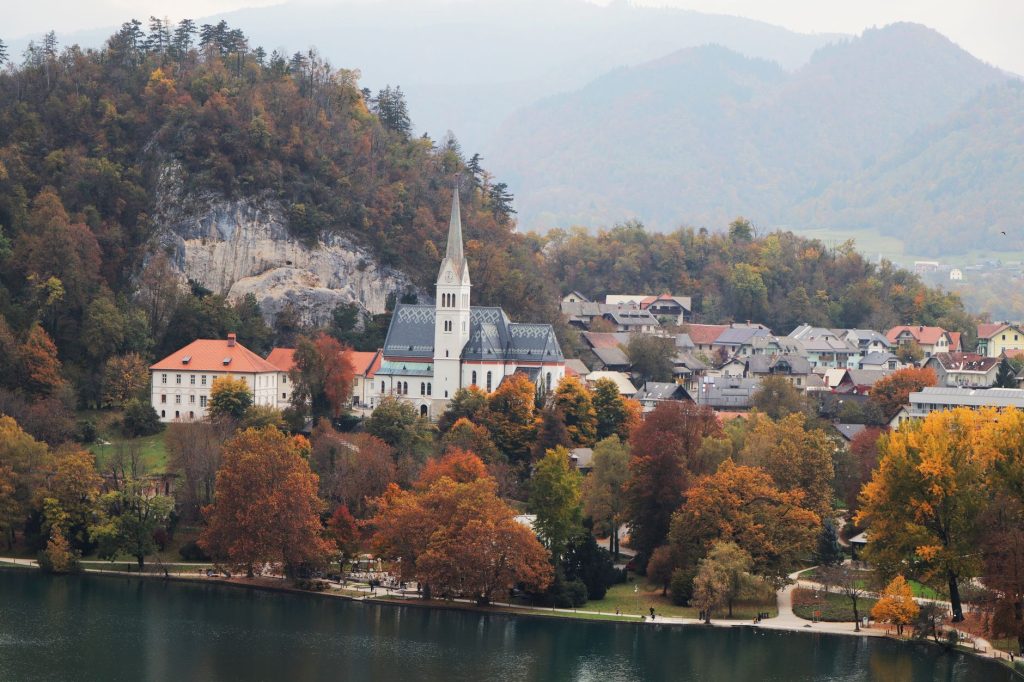
At Lake Bled, a room that looks close to the water can still be awkward without a car. The lake is the obvious landmark, but your everyday triangle is more useful: the bus stop, somewhere to buy food, and a comfortable route to the shore. Choose a stay that connects those three, and you can spend more of your visit walking, swimming or sitting by the water, with fewer trips hauling bags uphill.
I would start with the arrival journey, then work outwards to the view. A balcony is a pleasure; a manageable walk with luggage is something you will appreciate before you have even unpacked. Here is how to compare locations and plan for the moments when sunshine and light bags are not part of the picture.
Compare routes before comparing rooms
Before booking, identify the stop served by your intended bus and the property’s actual entrance. A listing’s distance from “Bled” or “the lake” does not tell you where you will get off, which side of the building you enter, or whether the final approach climbs. Check those details against the accommodation’s directions, and ask the host when anything is unclear.
Give each possible stay three separate assessments:
- Arrival access: Can you walk from the relevant stop with your own luggage, including any slopes or steps?
- Food access: Is there a grocery shop on a practical walking route, rather than merely nearby on a map?
- Lake access: Can you reach a public lakeside path easily, and return comfortably after dinner or a swim?
Judge these walks using your least energetic travelling companion. A short climb might be trivial with a daypack and tiresome with a suitcase, shopping and a tired child. For a car-free stay, repeated convenience often matters more than saving a little distance on one sightseeing outing.
Start with the town side for everyday convenience
The built-up town area around the eastern side of the lake is a sensible starting point for a search. Look for a room that combines access to your bus stop with food shopping and a straightforward shore walk. Do not assume every address in this broad area offers all three: a property set back on a rising street can feel quite different from one on a direct route.
This arrangement works especially well for a short visit. You can arrive, leave your bags and collect breakfast supplies without turning each errand into a separate excursion. It also makes departure easier when you need to reach a bus before settling into a relaxed holiday pace.
The trade-off may be a busier setting. Ask about the room’s position if road noise matters to you, and look at the route as well as the address. A quieter room within an accessible building can be more useful than a secluded property that adds a climb every time you go out.
Choose a lakeside setting with the whole day in mind
A stay farther around the lake can put the shore at the centre of your day. That is appealing if your plan is to walk, read and spend long stretches beside the water. But lakeside access alone does not settle the transport or grocery question. Establish how you will reach the property from the bus you actually intend to use.
For each address, trace a food-shopping trip and imagine carrying it home. Bread and fruit are easy enough; drinks, breakfast ingredients and supplies for several people change the calculation. If shopping requires a longer outing, a kitchen is most useful when you can stock it without difficulty.
Also distinguish a lake view from access to a public path. Ask where you can join the shore route and whether the approach involves steps. A high room with a beautiful outlook may suit a walking holiday perfectly, provided everyone is happy with the return climb. It is a less comfortable choice if you expect several easy trips back to the room each day.
Treat quieter outskirts as a deliberate choice
An address beyond the central visitor area may offer the atmosphere you want, but compare the complete journey before choosing it for a lower room rate. The relevant question is how you will manage breakfast, sightseeing and the return after an evening meal. A walk that sounds pleasant once can become restrictive when repeated in rain.
Ask whether the walking approach has pavement, lighting and any steep sections. If a local bus is part of the plan, confirm that it serves the appropriate stop at useful times for your stay. Do not make an occasional service the foundation of a flexible holiday without checking its timetable.
A more distant base can work well if you enjoy walking and are content to organise your day around one main outing. For frequent returns, limited mobility or a brief stay, prioritise an address with fewer daily obstacles.
Make arrival day easy on your luggage
Once you have chosen an area, build a simple arrival plan before committing to the room. Confirm the bus’s arrival stop, the walking directions from there and the check-in arrangements. Save the address and entrance instructions so you can read them without a connection. A photograph of the entrance, supplied by the host, can help with the final approach.
Ask specifically about luggage storage if you will arrive before check-in or leave after checkout. Do not assume a small guesthouse has a staffed reception throughout the day. If storage is unavailable, arrange your journey around when you can enter the room rather than planning to wheel your bags along the lake.
Keep a rain layer, water and anything needed for the walk accessible. If the approach exceeds what you can comfortably manage, consider arranging a taxi for that leg, confirming availability and the fare directly. One planned transfer can support an otherwise car-free visit, but it should be included in your accommodation budget.
Use groceries to support your plans
Self-catering is useful when the facilities match how you eat. Check whether “kitchen access” means a private kitchen, a shared space or simply a kettle and fridge. Ask about cooking equipment if you intend to prepare meals. For a short stay, easy breakfasts and picnic lunches may be all you need.
Locate a suitable grocery shop and check its opening hours for your arrival day, including any holiday changes. Keep the first shop modest: breakfast, snacks and a simple meal if your room supports cooking. You can return for more once you understand the walk and your appetite.
Think about wet-weather eating too. A balcony breakfast is lovely in good conditions, but an indoor table makes the room more useful when rain keeps you inside.
Leave room for weather interruptions
Do not make your first full day depend on completing every lakeside walk. Keep outdoor plans flexible and use shorter outings when conditions allow. Before setting off, know how to return to your accommodation without committing to a much longer circuit.
A comfortable indoor space matters on a rainy afternoon, particularly for families or anyone sharing a small room. Look for somewhere to sit, space to dry damp clothing and clear information about heating or ventilation. These practical details can matter as much as the view when the weather interrupts your plans.
For departure, check the current bus timetable and allow enough time to reach the stop without rushing with luggage. My final choice would be the stay whose ordinary journeys feel easiest: arriving with bags, buying breakfast, reaching the shore and getting home in rain. At Bled, that leaves you free to enjoy the lake whenever the day opens up.