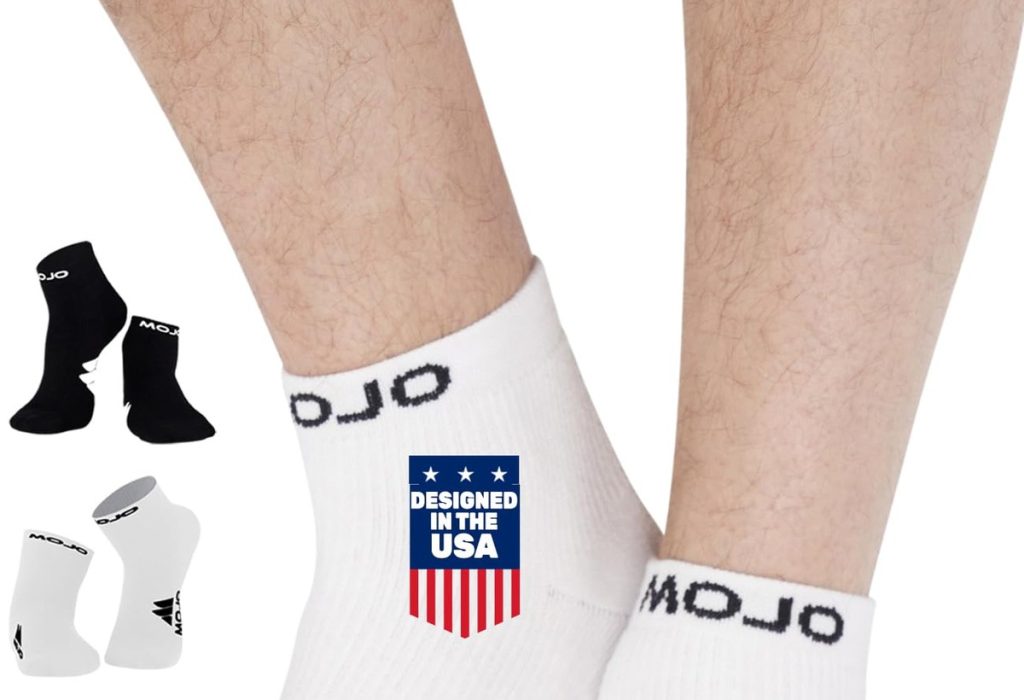
A compact recovery idea for travelers who choose central hostels, guesthouses, and walkable neighborhoods over taxis.
Build the kit around repeat walking
Budget travel rewards people who are willing to walk. A cheaper guesthouse may sit ten streets away from the tram. The better bakery may be across the river. A free viewpoint usually includes stairs. The trick is to plan for repeated walking rather than treating every day as a fresh start.
Your recovery kit should make that rhythm easier: get back to the hostel, deal with damp socks and tired feet, and have everything ready for the morning. It does not need to become another bulky packing cube. Start with the shoes and socks you already trust, then add only what helps you use them comfortably on consecutive days.
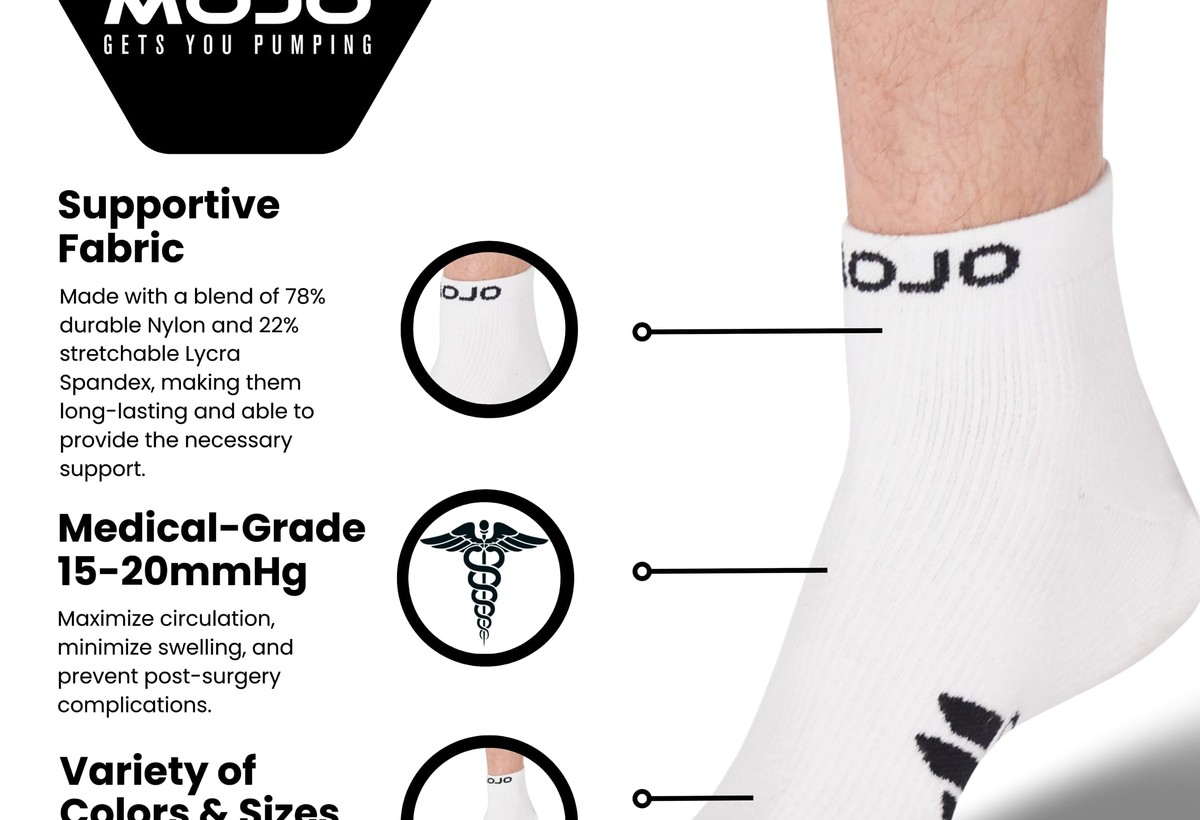
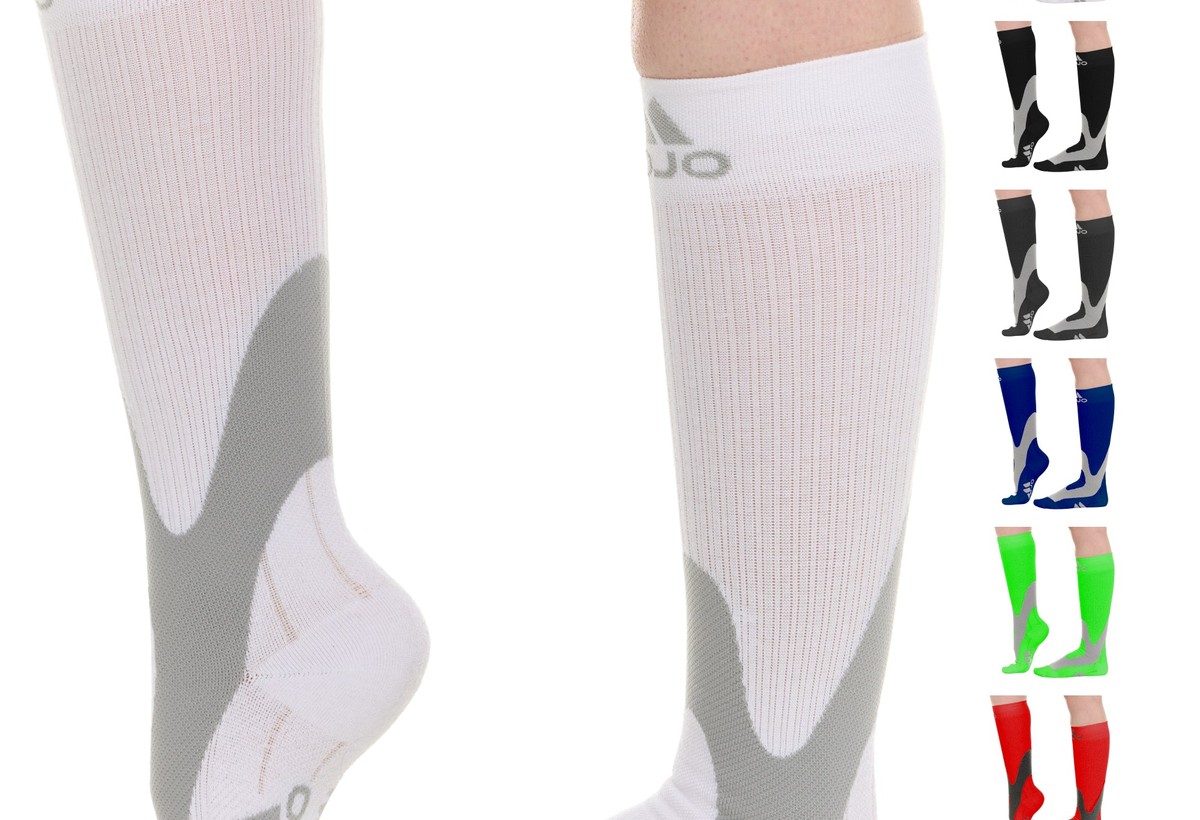
Mojo’s compression socks and anklets can be a small recovery layer in that plan if they suit you. They do not replace good shoes or sensible pacing, and they should not be treated as a promise that you can walk farther. Think of them as an optional part of a routine, alongside clean socks, a proper break, and a realistic route home.
Choose the socks before you leave
Product details matter. Look at height, compression level, and fabric before color. The right pair should work with the shoes you already plan to wear, not force another packing decision. An anklet and a knee-high sock cover different areas, so do not assume they serve the same purpose simply because both mention support.
Read the sizing instructions for the exact item. If measurements are required, take them rather than guessing from your usual shoe size. Try the pair at home with your walking shoes, including on stairs and while sitting down. Check whether the toe seam rubs, the heel stays in place, or the extra fabric makes a previously comfortable shoe feel cramped.
Follow the item’s instructions for wearing and washing it. More compression is not automatically a better choice, and an ordinary travel article cannot choose a medical compression level for you. If you have been advised to use compression for a health condition, follow that advice when selecting a pair. Do not make an overnight dorm stay your first experiment with wearing unfamiliar support garments.
Keep it hostel-friendly
A hostel kit has to be quiet, washable, and quick to pack. Bring one pair for transit, one lighter pair for city days, and a small laundry soap sheet if the trip runs longer than a weekend. Those pairs might both be ordinary walking socks; include compression only where it fits your needs. If your route leaves little drying time, an extra clean pair can be more useful than another specialized accessory.
Keep the small pieces together in a soft pouch that you can open without rustling through your entire backpack. Pack for the routine you will actually follow after dinner, when someone else may already be asleep. A useful basic kit includes:
- Clean socks that fit your usual walking shoes.
- A separate washable bag for worn or damp pairs.
- A small amount of laundry soap, suitable for the fabric.
- A few familiar blister dressings, with their packaging intact.
- Shower sandals if you already use them for shared bathrooms.
Avoid anything that needs special storage or takes days to dry. Simple, washable pieces are better for budget rooms than high-maintenance gear. Keep dressings dry and easy to find rather than buried beneath laundry. You should be able to reach the essentials without switching on the main dorm light.
Give yourself a simple arrival routine
When you get back, put your bag down and take a short seated break before deciding what to do next. Remove your walking shoes where there is space, keeping the doorway and other guests’ bags clear. Change out of damp socks and check for grit, bunched fabric, or a seam that has been rubbing. A small irritation is easier to address before another evening walk.
Wash and dry your feet, including between the toes, and inspect any sore spots. Use familiar blister supplies according to their instructions. If a particular shoe or sock caused rubbing, change that combination before heading out again. Packing a dressing does not make it sensible to keep walking through worsening pain.
Then deal with the shoes. Loosen the laces and, if the footwear allows it, remove the insoles to air separately. Follow the care instructions and avoid putting shoes against a heater. Keep everything within your own bed or locker area, subject to hostel rules. Shared rooms work better when nobody has to step around a recovery station to reach their bunk.
Wash early enough to pack dry
Check the hostel’s laundry rules before turning a shared basin into a washing area. A designated laundry sink or a machine may be the better option. If handwashing is allowed, use a small amount of suitable soap, rinse thoroughly, and gently press out the water. Follow the garment label, especially for compression pieces, rather than wringing them hard.
Roll the washed pair in your own towel and press again if the care instructions allow it. Hang it only where the hostel permits, with air around the fabric. Do not drape laundry over another guest’s bed, a lamp, or a safety fixture. Wash soon after returning instead of leaving the job until just before lights out.
Drying depends on the fabric, room, and weather, so avoid building tomorrow’s departure around a guaranteed drying time. For an early checkout, keep a dry pair untouched. Carry any still-damp laundry separately until you can hang it again; leaving it sealed in your backpack for the whole journey simply postpones the problem.
Make tomorrow’s route part of recovery
The most useful adjustment may be to the itinerary. Group nearby stops together and save the distant market for the day you are already visiting that neighborhood. Notice whether the return route climbs a hill or involves station stairs. A short distance on a map can feel different with groceries, a day bag, and a full afternoon behind you.
For example, if you walk across the river to a bakery in the morning, explore that side before coming back. Leave room for a seated lunch or a quiet stop at the hostel before dinner. Keep water accessible and make time to eat instead of stretching sightseeing until you are too tired to choose a meal.
Check tomorrow’s shoes and socks before bed, when you can still find the missing pair. If your feet remain uncomfortable, shorten the next outing or use transport. A kit supports your plans; it does not oblige you to complete every walking route you saved.
Spend money where it prevents friction
Cheap accommodation is not only about the lowest nightly rate. It is about keeping the whole trip affordable without making every hour harder. Socks that fit, shoes you already know, and a workable laundry routine can make walking to the cheaper market or handling a long connection less of a chore.
Before buying more gear, look at the lodging choice too. Compare the practical walk from the station, access to laundry, and the route back from places you expect to visit. A room farther away may still suit your budget, but allow for the effort of reaching it with luggage.
Paying for a tram when you need a break is a sensible use of a travel budget. The smartest gear is rarely the loudest item in the bag. It is the thing you use on day two, day five, and the day you are already thinking about the next trip.