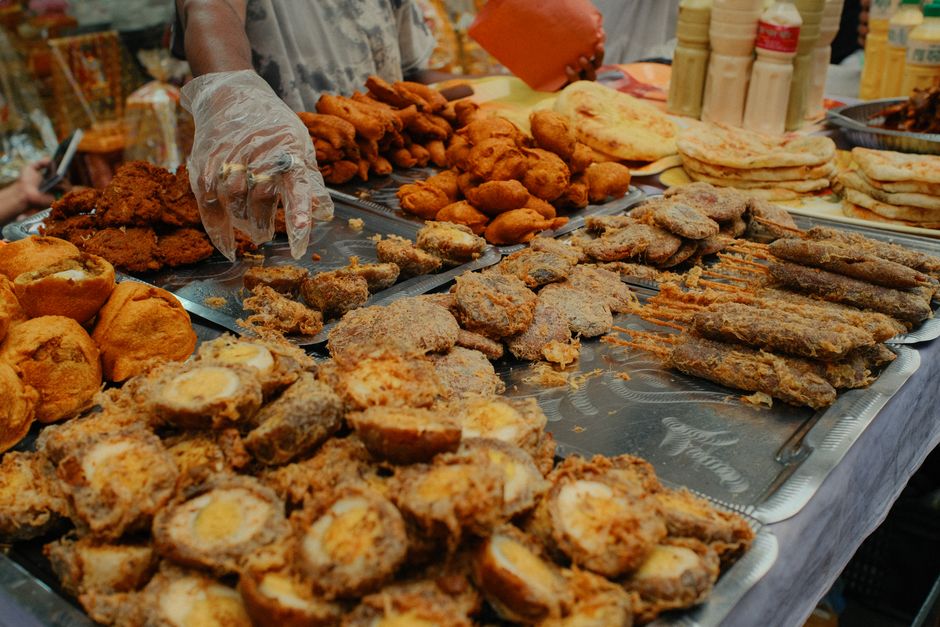
A glass counter full of baked pasta, roasted vegetables and neatly arranged cutlets can make lunch look wonderfully easy. Then you notice that everyone else seems to know when to speak, how much to ask for and where to pay. At an Italian gastronomia, a little understanding of the counter routine helps you turn those trays into a picnic that is easy to carry and satisfying to eat.
A gastronomia sells prepared food, although the name and selection vary between shops. Some overlap with a delicatessen, a food shop or a rotisserie; others are prepared-food counters inside supermarkets. You do not need to assemble a formal Italian meal. For a picnic, concentrate on a manageable main dish, something vegetable-based and enough bread to bring it together.
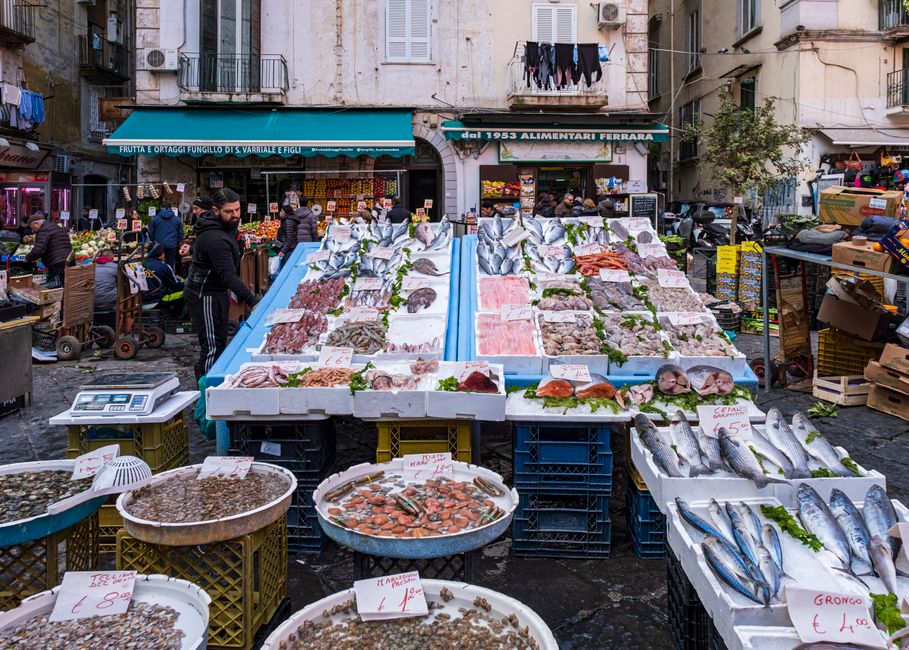
Look before joining the queue
Take a moment to scan the counter without blocking the people being served. Look for dish labels, prices and any ticket dispenser. If customers are holding numbered slips, take one and watch the display or listen for your number. Where there are no tickets, a simple Chi è l’ultimo?, meaning “Who is last?”, helps establish your place. The queue may be less physically obvious than a single line.
Use the wait to choose a first option and a substitute. A tray might be nearly empty, or the dish you liked might require heating when you want to leave immediately. Keep your bag away from the glass and let staff handle the food. If you need more time when called, say so and allow someone ready to order to go ahead.
Before committing, check how the food is priced. A label may show a price per kilogram, per portion or per piece. Those are different ways of selling lunch, and a large serving of something sold by weight can change your total considerably. Ask È al chilo o a porzione? for “Is it by the kilo or by the portion?”
Explain the picnic before choosing the food
Start with the information that affects the order: how many people are eating, that you want takeaway and whether you will eat soon. Da portare via means “to take away”; per due persone means “for two people”. Pointing politely at a dish is perfectly useful when you do not know its name.
For example, you could say: Per due persone, da portare via. Mangiamo subito. That tells the server you are buying for two and eating straight away. If you are walking to a picnic spot first, explain that instead. Ask which dishes suit your plan, especially if you have no way to keep chilled food cold.
Deal with allergies or dietary requirements before the serving spoon comes out. Vegetable dishes can contain cheese, stock or other animal ingredients, and names alone do not establish what is inside. Ask about the actual preparation and shared utensils if relevant. If you cannot get a clear answer about an ingredient you must avoid, choose something else.
Ask for portions you can actually finish
For food sold by weight, you can request grams or use etti: one etto is 100 grams, and due etti is 200 grams. These are ordering units, not a rule about how much anyone should eat. Appetite, the richness of the dish and the rest of your picnic all matter.
When you are unsure, ask for una porzione piccola, a small portion, or explain that you want a dish to share. Staff can suggest an amount, but you can also ask for less before it is packed. Watch the scale and the serving process. Un po’ meno, per favore means “A little less, please”; Va bene così means “That is fine.”
With items sold individually, such as stuffed vegetables or croquettes, establish whether you are ordering pieces or portions. A request for “two” can otherwise be ambiguous. For a tight lunch budget, choose fewer dishes and ask what the proposed serving will cost. Bread and several small extras still belong in the total.
Build a lunch around one main dish
The tempting approach is to order a little from every tray. The practical approach is to choose one substantial element, then add contrast. Baked pasta with some dressed vegetables makes a different picnic from a bread-based lunch with sliced cheese. You do not need both simply because they are available.
- Fork-based lunch: a portion of baked pasta, a vegetable side and a little bread for any sauce.
- Bread-based lunch: bread with cheese or sliced meat, plus vegetables packed separately.
- Shared mixed lunch: a suitable prepared main, a bean or grain salad if available, and bread divided between you.
These are combinations to adapt to the counter, rather than dishes every shop will stock. Think about texture as well as flavour. Several oily or soft dishes can feel repetitive, while a saucy main may be awkward without a stable container. Ask whether an unfamiliar item has bones, stones or other parts you will need to deal with outdoors.
Choose hot or cold with the walk in mind
Display temperature does not necessarily tell you how a dish is intended to be eaten. Ask whether it is served cold or needs reheating: Si mangia freddo o va riscaldato? Some prepared dishes work well cold; others are more appealing heated. Staff may offer to warm your selection, but that is useful only if it fits your timing.
A hot portion of lasagne is easier to enjoy when your picnic spot is close and you can sit down promptly. For a longer walk, discuss alternatives and suitable transport. Do not assume a cooked vegetable dish or rice salad can safely spend the afternoon in a warm bag. Follow the shop’s storage advice and keep perishable food chilled during transport.
If you have no insulated bag, make buying lunch the final stop before eating. Avoid carrying it around while sightseeing. Keep hot containers separate from chilled items, and do not leave either in direct sun. Buy amounts you expect to finish rather than planning on leftovers you cannot refrigerate.
Order the bread separately
Bread is not automatically included. Ask Avete anche del pane?, meaning “Do you also have bread?” If the shop does not sell it, make a bakery stop part of your lunch plan. Check the amount before accepting a large loaf, especially when you have already ordered a substantial main.
Ask for slicing if that would make the picnic easier. Crusty bread can be awkward to divide with a flimsy takeaway knife. Keep it separate from dressings and warm food so it does not become damp during the walk. If you want a filled roll instead, ask whether the shop makes sandwiches; a prepared-food counter does not necessarily offer that service.
Check the packaging before paying
Say which dishes can share a box and which need separate containers. Dressing from vegetables can soak bread or change another dish, while a single large tray may be inconvenient for people eating from separate seats. Ask for lids that close securely, and carry saucy dishes upright in a stable bag.
Before leaving the counter, check for forks, napkins and any plates you need. Posate, per favore is a useful request for cutlery. Do not assume these are included, and check whether anything carries an extra charge. Reusable cutlery brought from your accommodation makes this part simpler.
Payment arrangements vary. You may pay the person serving you, or receive a slip to take to a separate till. Follow the staff’s direction and keep any collection slip until you have your full order. Before walking away, check that the bread, cold dishes and anything set aside for heating have all reached your bag.
Make the picnic the next stop
Choose a place where eating is permitted, with somewhere stable to rest your lunch. Check local signs rather than assuming a monument’s steps or a church entrance is a picnic area. Shade, a bin nearby and a comfortable seat are more useful than a photogenic spot where you cannot open a container easily.
At the counter, the most helpful habit is simple: explain your plan, order a manageable amount and check the practical details before leaving. Then lunch can be what you wanted in the first place: something appealing from the day’s trays, a piece of bread and a quiet break outdoors.