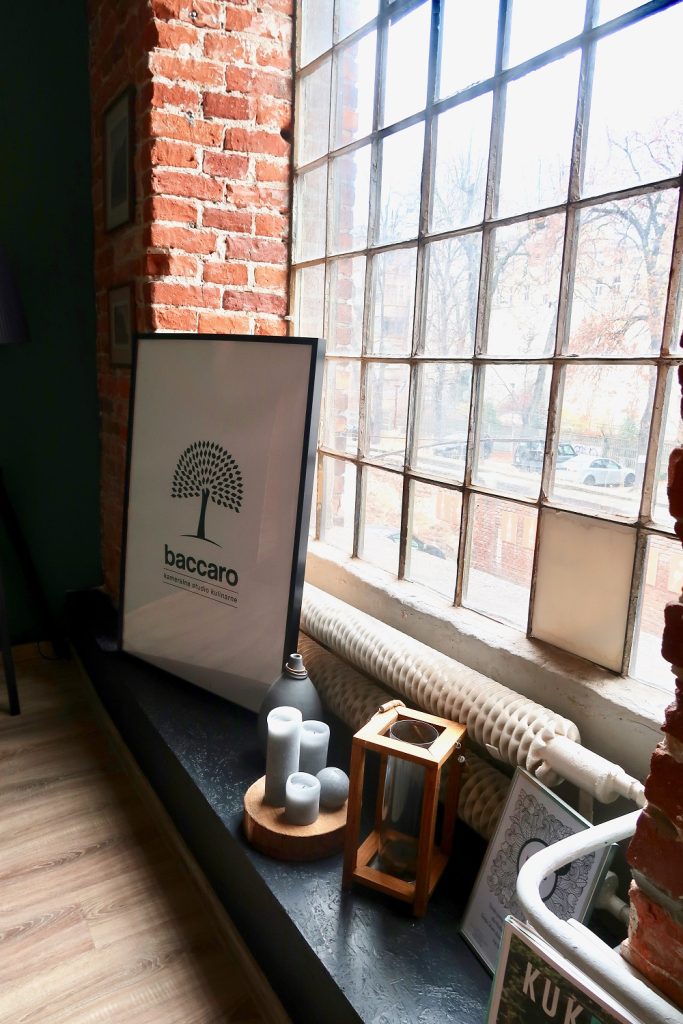
One of the main things I learned whilst eating my way around Poland was how much thought went into using as much of each ingredient as possible. In the kitchens we visited, seasonal produce and finding another use for leftovers were part of the cooking. To give us more ideas, we were taken to Baccaro, a culinary studio in the centre of Lodz, where chef Malgorzata Pindych guided us through a meal made with her leftovers.
I came away thinking about the things I dismiss too quickly at home: a very ripe banana, potato skins or the liquid left after making cheese. Our session showed how those ingredients could become something worth sitting down to eat, with a little planning and a few cupboard staples.


A cooking space worth lingering in
Before we get into the cooking, can we appreciate how beautiful the space is? There are gorgeous views out of the old windows towards a courtyard with cool-looking bars and restaurants. It reminded me so much of Ancoats in Manchester, with its old mills, independent shops and places to eat.
As well as numerous cooking stations, Baccaro Studio has a large seating area where you can perch to eat what you have prepared or take some time out whilst your food cooks. This is something I think many cooking spaces lack, and the light streaming through the windows made it particularly inviting.
We split into groups to make different elements of our meal. Malgorzata brought ingredients left over from events and cooking demonstrations, with cupboard staples helping to bring everything together. It was a useful reminder to look at what is already available before deciding what to cook, rather than choosing a recipe and buying every ingredient from scratch.
Turning spare milk into cheese
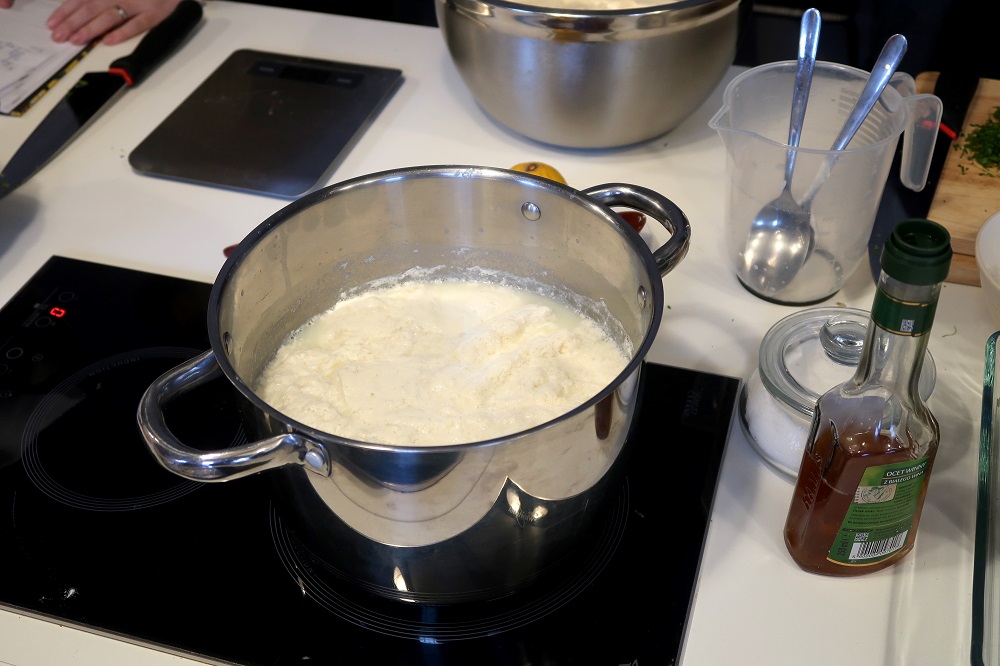
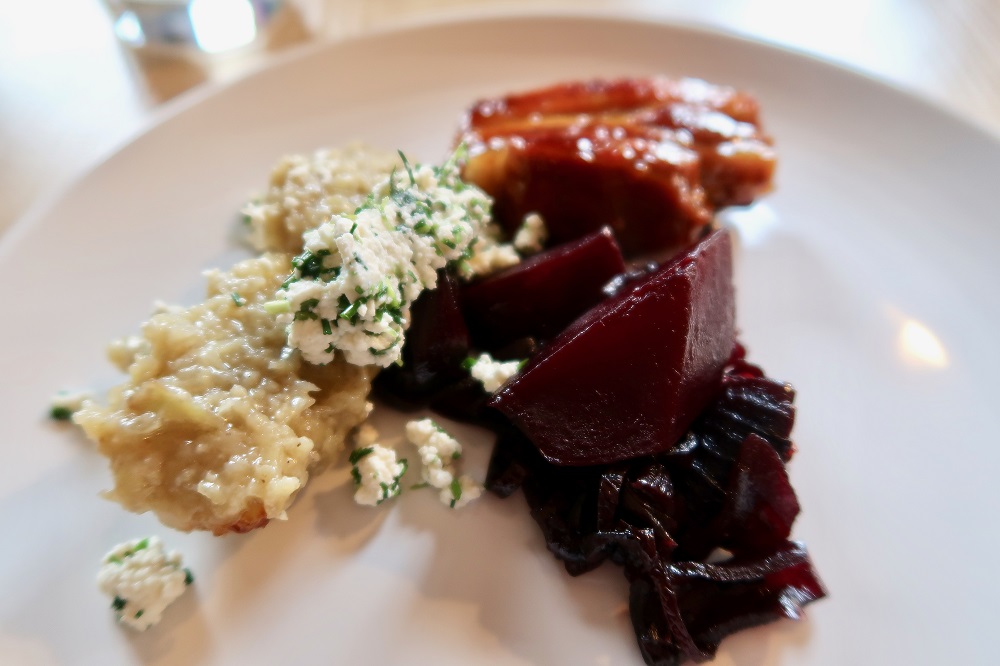
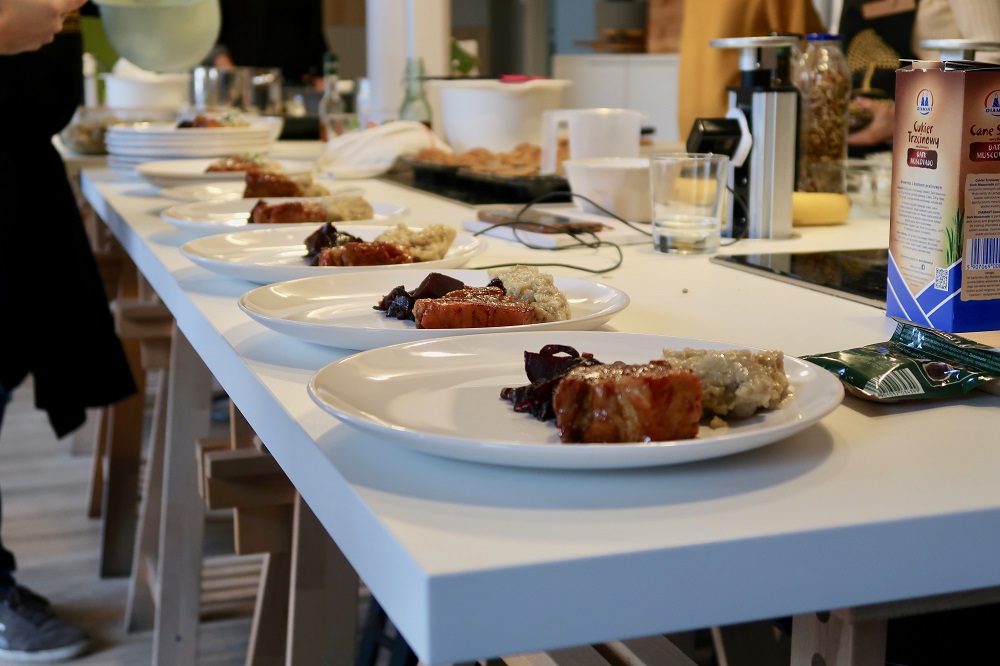
We made a ricotta-style cheese from some leftover milk that needed using soon. I was fascinated by how quickly it became cheese, and we ate it as part of our main meal with confit pork belly, beetroot and pierogi. Malgorzata had used a different part of the pork for a dish earlier in the week and brought the belly for us to cook.
The soft cheese was a lovely example of giving an ingredient a different role. At home, I would start by finding a reliable fresh-cheese recipe and reading it through before heating the milk. Have a sieve, a suitable cloth and a bowl ready, because you want to catch the liquid that drains away as well as keep the curds.
This is about using milk whilst it is still suitable to eat, rather than trying to rescue milk that has spoiled. Turning it into cheese is not a way to make unsafe milk usable. If cheese-making feels too ambitious, plan a dish you already know how to make that uses the milk you have, such as pancakes or a white sauce.
Keeping the whey and the potato skins
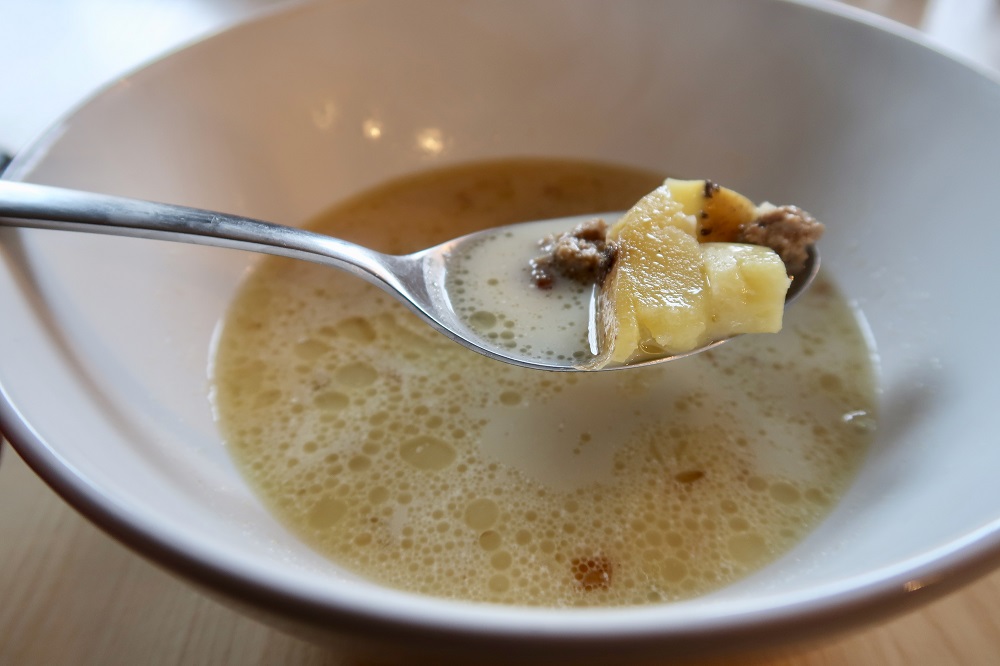
The whey left over from our cheese went into a soup with potatoes, including their skins, and minced goose left from an event Malgorzata had catered the day before. The soup was rich and decadent, with a beautiful earthiness from the potato peel. Keeping the cheese-making liquid meant another part of the ingredient reached the table.
For a home version of that approach, taste your cooking liquid before deciding how to use it. Whey can bring a tang that changes the balance of a soup, so add it gradually rather than assuming it will behave exactly like water or stock. Potatoes can give the soup body, whilst a small amount of suitable leftover cooked meat adds substance.
Leaving skins on suitable potatoes also saves a preparation step. Scrub them well and inspect them first; there is no need to keep every scrap simply to claim that nothing was wasted. Likewise, only edible meat belongs in a mince. Bones and other unsuitable scraps should be removed, and leftovers need appropriate storage before they reach the pan.
What I liked most was that the soup had its own character. It did not feel like a bowl of unrelated leftovers. Choosing a main ingredient, then adding things that suit it, is a much more appealing starting point than tipping everything from the fridge into one pot.
Finding another use for the herring oil
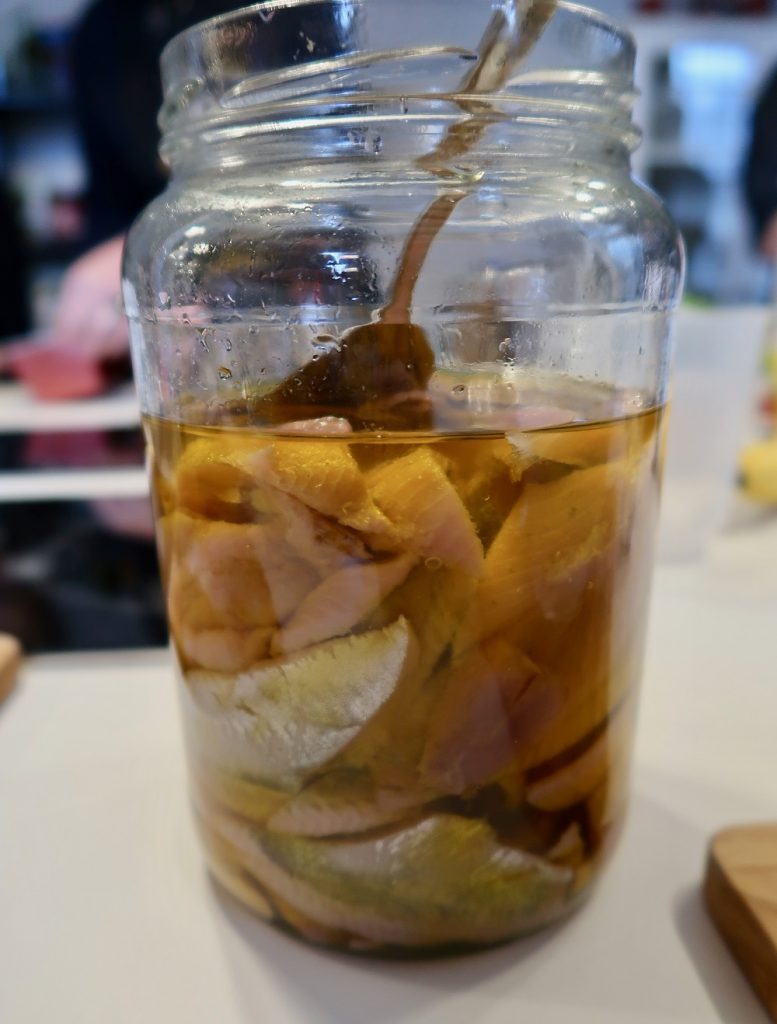
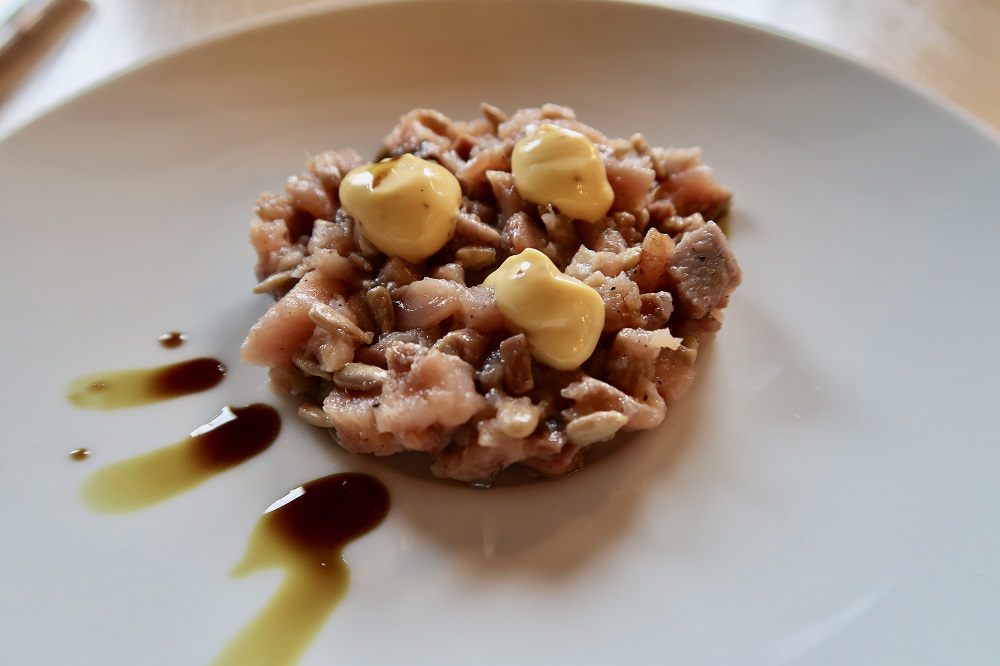
Malgorzata explained that she had ordered too many herrings for an earlier event and had prepared and kept them in oil. At Baccaro Studio, we finely chopped the fish and served it tartare-style, dotted with mayonnaise made using the oil from the herrings.
I thought the fish flavour would overwhelm the whole dish, but the oil had not taken on as much flavour as I expected. Instead, it brought out the richness of the egg yolks. It was one of the most interesting examples of using something I would probably have poured away without thinking.
I would treat this as inspiration for thinking about the liquids that accompany food, rather than as instructions for preserving fish at home. Oil alone does not make fish safe to keep. Follow the storage instructions for your ingredients and use a reliable recipe for any preservation or mayonnaise-making.
There is a flavour lesson here too: taste before adding. An accompanying oil might be strongly flavoured or quite mild, and that will affect how much you want in a dressing or sauce. Keep fish-containing oils clearly identified, particularly if you are cooking for someone with an allergy or someone who does not eat fish.
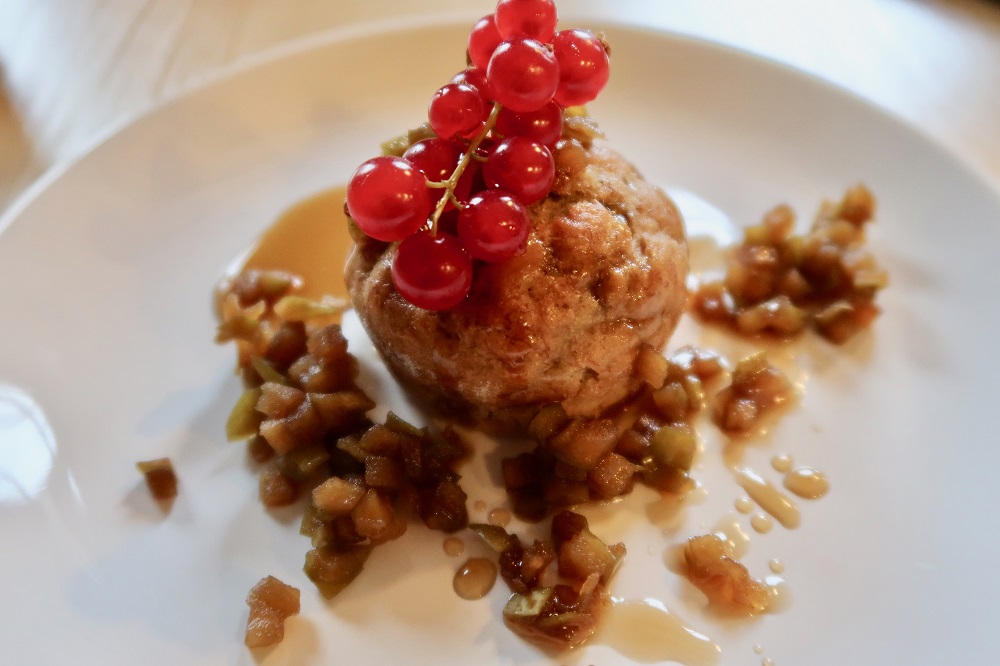
Banana muffins from fruit I would have discarded
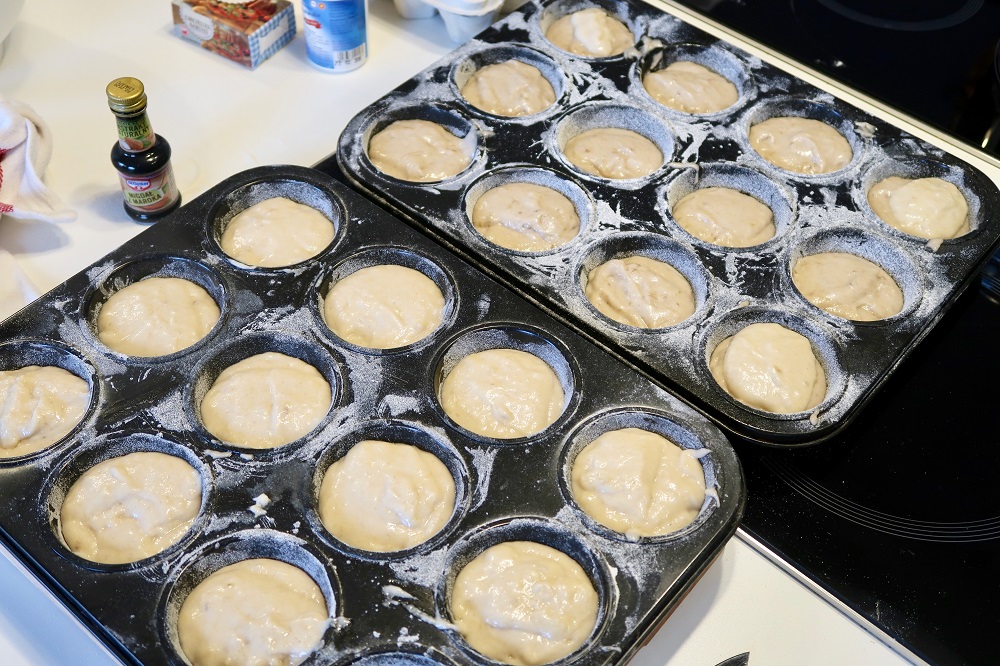
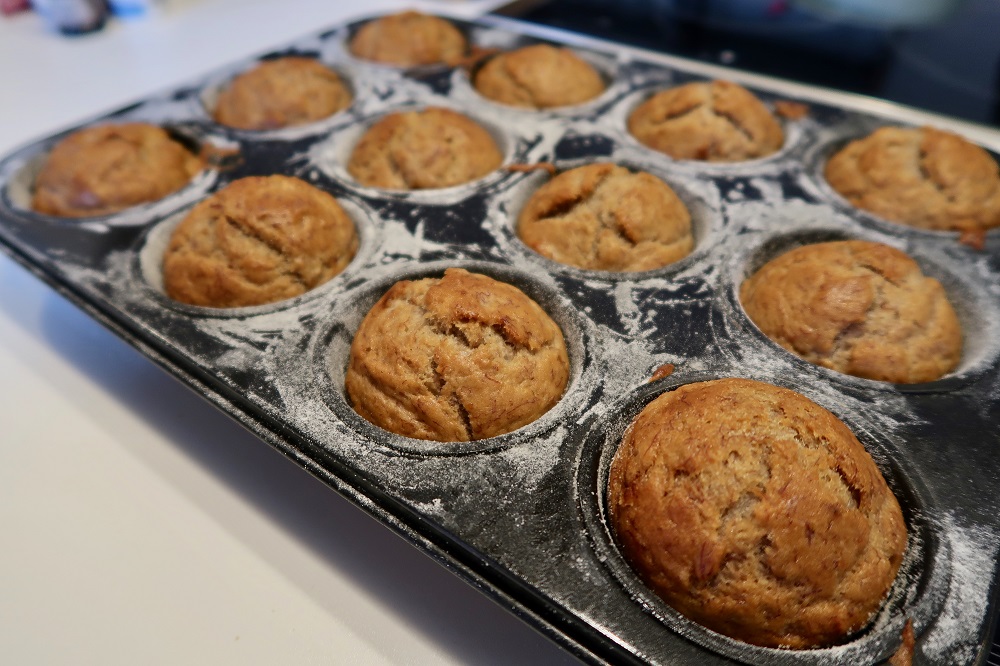
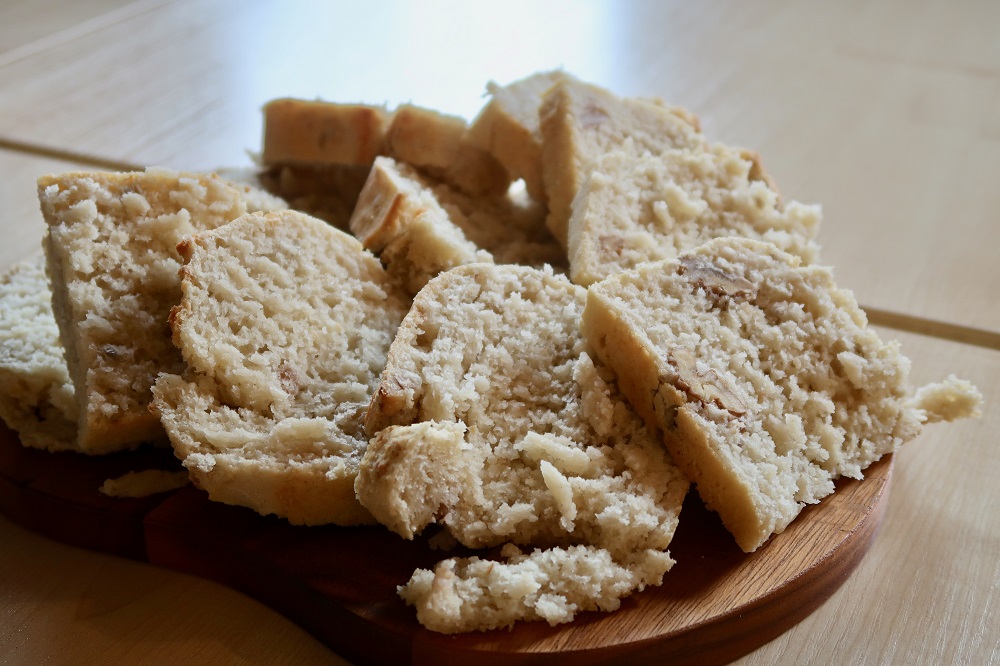
My main role in the studio was making banana muffins for dessert. Along with Adele, I mashed black-skinned bananas that I would normally have thrown in the bin several days earlier. We turned them into delicious muffins with an apple topping and maple syrup.
Malgorzata explained that this sort of simple cake is often made in Poland using ingredients that need eating. She mentioned carrot as a usual choice, which went straight onto my list to try. The bananas were the ingredient that most challenged my habits: their appearance had made me overlook their usefulness for baking.
For banana muffins at home, peel the fruit into a separate bowl and check it before mashing. Very ripe fruit and spoiled fruit are different things; mould or signs of spoilage are a reason to discard it. Mash suitable bananas thoroughly so they distribute through the batter, then follow a recipe with quantities matched to the fruit you have.
Carrot and banana are not interchangeable in every cake mixture, so I would choose a recipe written for the ingredient rather than swap freely. Slice an apple topping thinly so it has a chance to soften as the muffins bake. If you have more ripe bananas than you can use, peeling and freezing suitable fruit in labelled portions gives it a purpose for another baking day.
Taking the ideas home from Lodz
Whilst we cooked the elements separately, Malgorzata helped plate and finish the dishes before serving them for us to enjoy together. Sitting down to that meal brought all the small decisions together: the spare milk, the whey, the potato skins and the bananas each had a place.
My practical takeaway is to make a short “use first” list before shopping. Check the fridge, choose one or two ingredients that need attention and plan around those. Keep portions manageable, and label anything saved for another meal so it does not become an unidentified container at the back of the fridge.
If you travel to Lodz, I would highly recommend looking into a visit to Baccaro Studio. Check the available sessions, teaching language and dietary arrangements before making plans. It was a lovely way to learn about Polish cuisine, cook with other people and bring home ideas that I could use in my own kitchen.