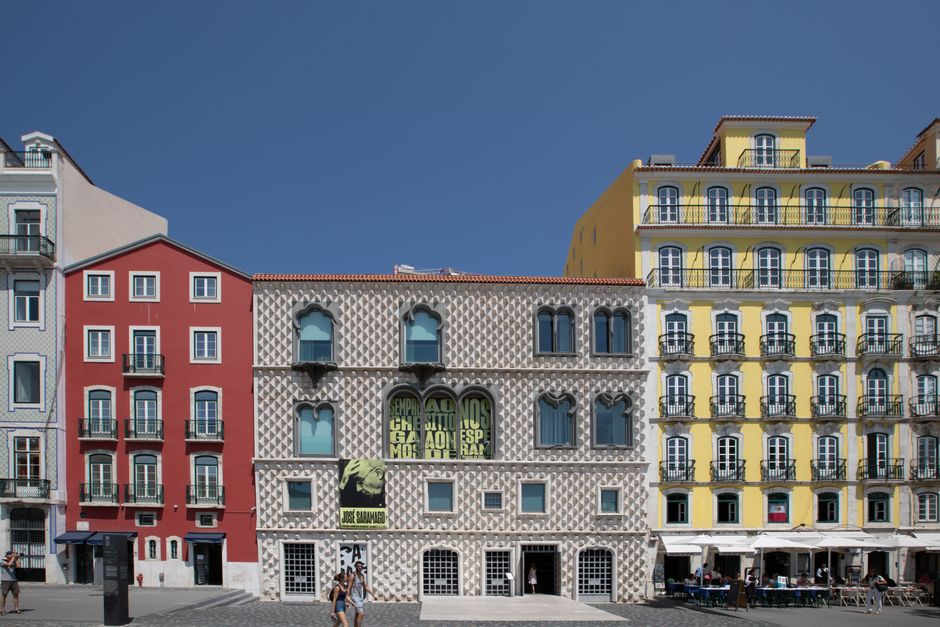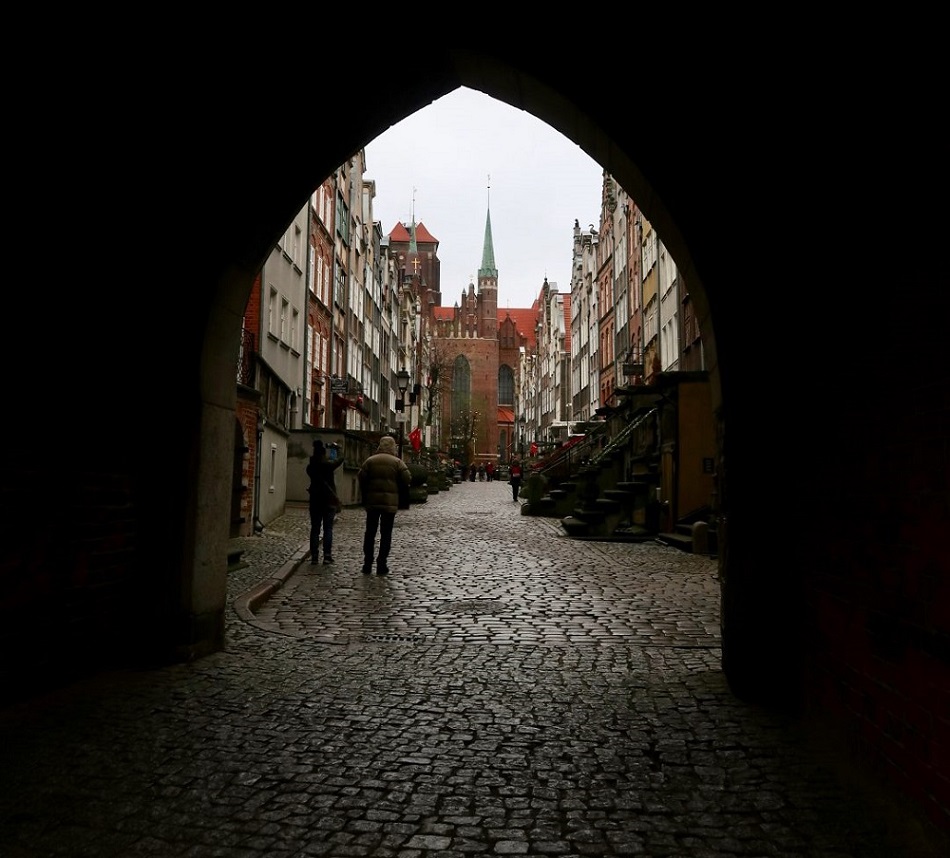
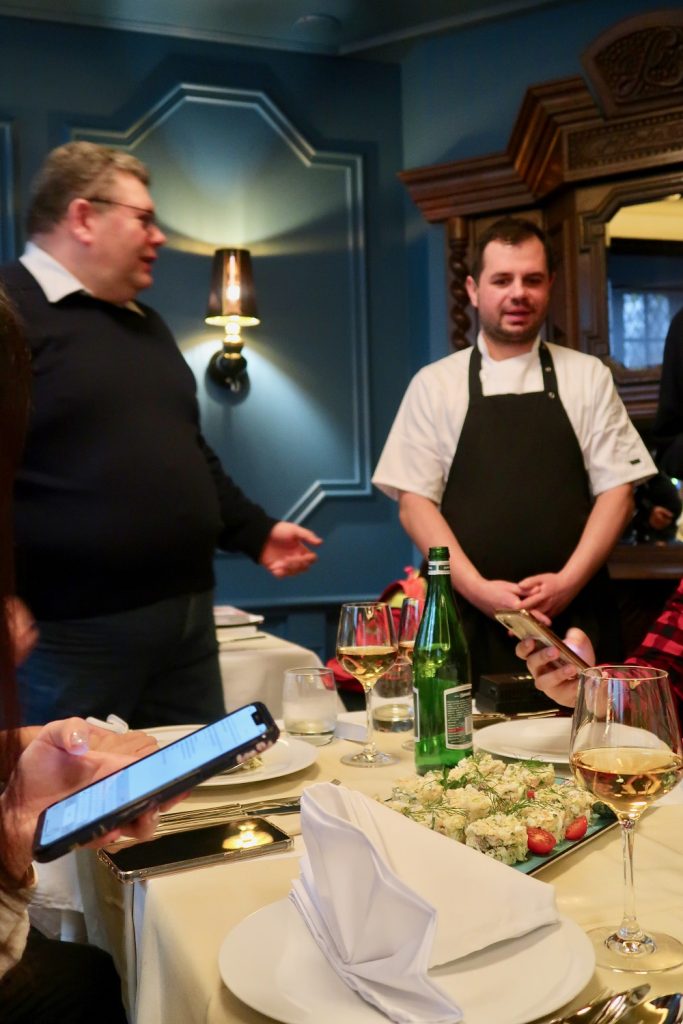
My favourite stop on my trip to Poland was Gdansk. The port city on the Baltic Sea saw incredible devastation during World War II, which has shaped its culture and food scene ever since. We gathered at Pod Lososiem to meet Artur Michna, a Polish food critic who loves Gdansk and was only too willing to share some of the history of the city and the restaurant. His stories made me look beyond what was on the plate to the trade, traditions and everyday cooking behind it.
Here are some of my favourite things I learned about food in Gdansk, along with a few suggestions for tasting your way around the city. You do not need to book elaborate meals every day to appreciate it. A bowl of soup, a fish lunch and a carefully chosen drink can give you plenty to explore.
A port city with plenty on its table
Artur explained that Gdansk was once governed by knights who believed meals should contain both a fish course and a meat course. We certainly encountered generous dining during our trip, including meals of six or seven courses with what felt like two main courses. It was a reminder that a meal described as a tasting menu can still be a substantial undertaking.
If you are booking a special dinner, ask how many courses are included and whether fish and meat arrive separately. I would leave lunch fairly light beforehand. At an ordinary restaurant, check whether potatoes, vegetables or other accompaniments come with the main dish before ordering extras. This makes it easier to judge both the amount of food and the final bill.
Imports are another part of the story. As Artur described it, the port brought ingredients such as vanilla, pepper and other spices into the city’s kitchens. Thinking about those trading connections helps explain why a meal here might combine straightforward fish or cabbage with more aromatic flavours. The waterfront and granaries become much more interesting when you start imagining the ingredients passing through them.
Beer, granaries and a drink to sip slowly
The granaries were part of Artur’s explanation of Gdansk’s brewing history. One beer he described was yoppen, a thick, syrupy drink associated with the city. He told us it had been used medicinally in the past and that a local brewery had revived the recipe. That historical use is part of its story, rather than a reason to treat it as medicine today.
The flavours described were bitter chocolate, prunes and tobacco: quite a different prospect from a refreshing glass of lager. If you find a version to try, ask the server about its strength and the size of the serving. I would approach it slowly, as a tasting experience, especially alongside a meal with several courses.
Availability can change, so I would not build an entire afternoon around finding one particular beer. Ask what is being served locally and explain whether you prefer something light, bitter or rich. A small serving, where offered, leaves room to discover another flavour without committing to a large glass you may not enjoy.
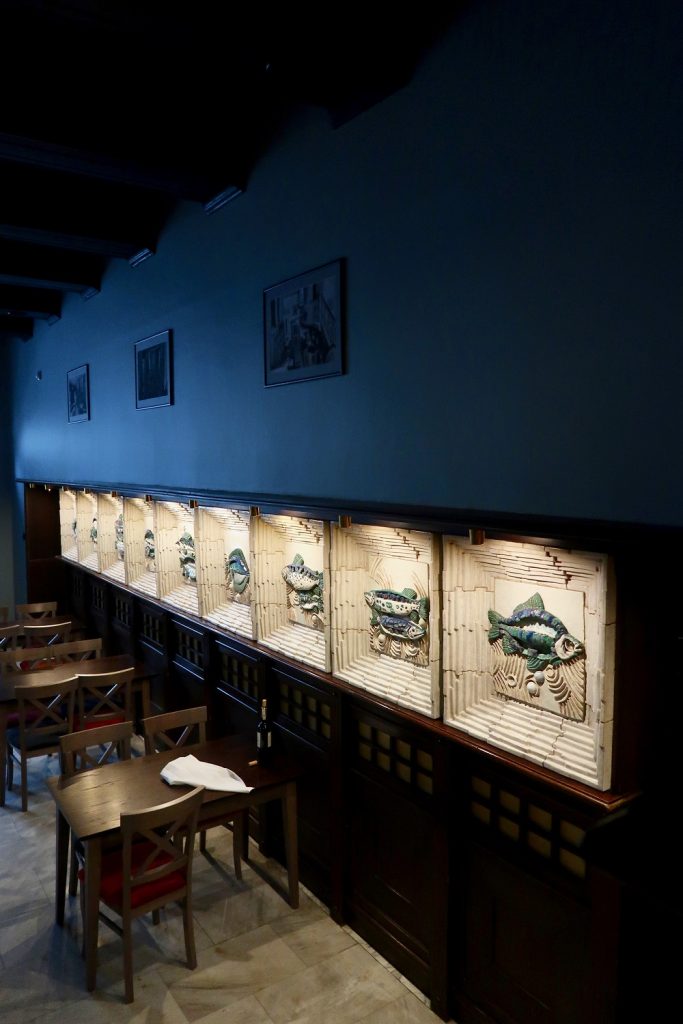
Goldwasser and coffee at Pod Lososiem
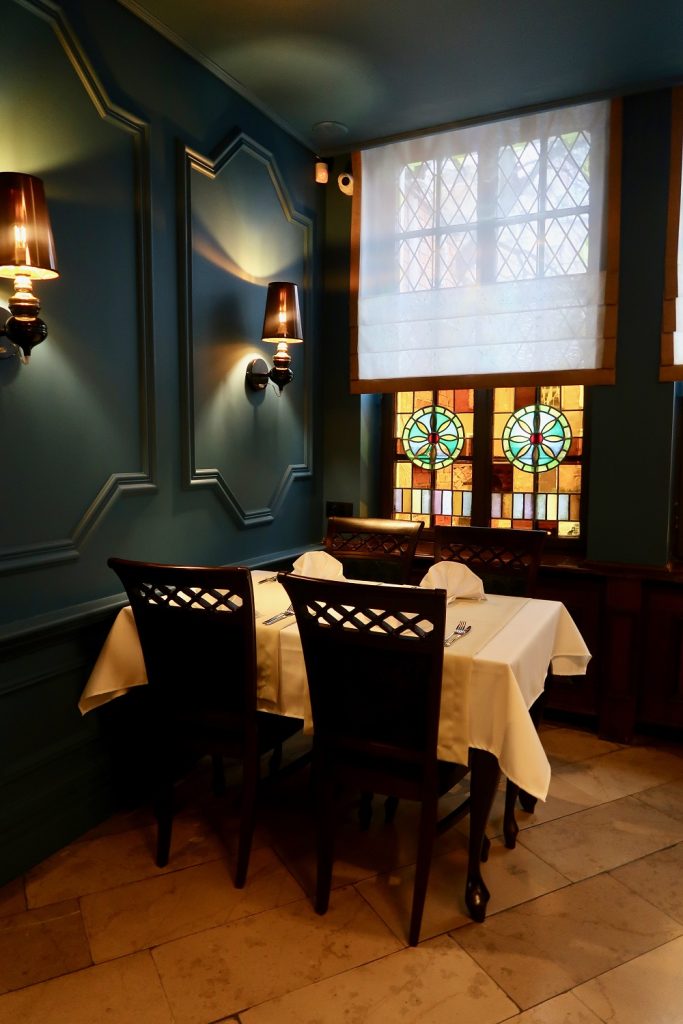
Our conversation at Pod Lososiem also turned to Goldwasser, the famous gold-flecked spirit linked with Gdansk. Artur connected its story with a Dutch newcomer and distilling at the restaurant’s historic premises. Sitting there gave the tale a sense of place that I would have missed if I had simply ordered a drink elsewhere.
I would recommend asking about a small sample when visiting, if you drink alcohol. Check the serving size and cost first, and ask how the restaurant suggests enjoying it. There is no need to turn every historical drink into a full round; choosing one that interests you makes the experience more memorable and keeps spending manageable.
Coffee was another arrival Artur linked to the port and the development of coffee houses. It is a lovely excuse to slow down between sightseeing stops. I like the idea of following a substantial lunch with a walk and then a coffee, rather than squeezing another meal into an already generous day of eating.
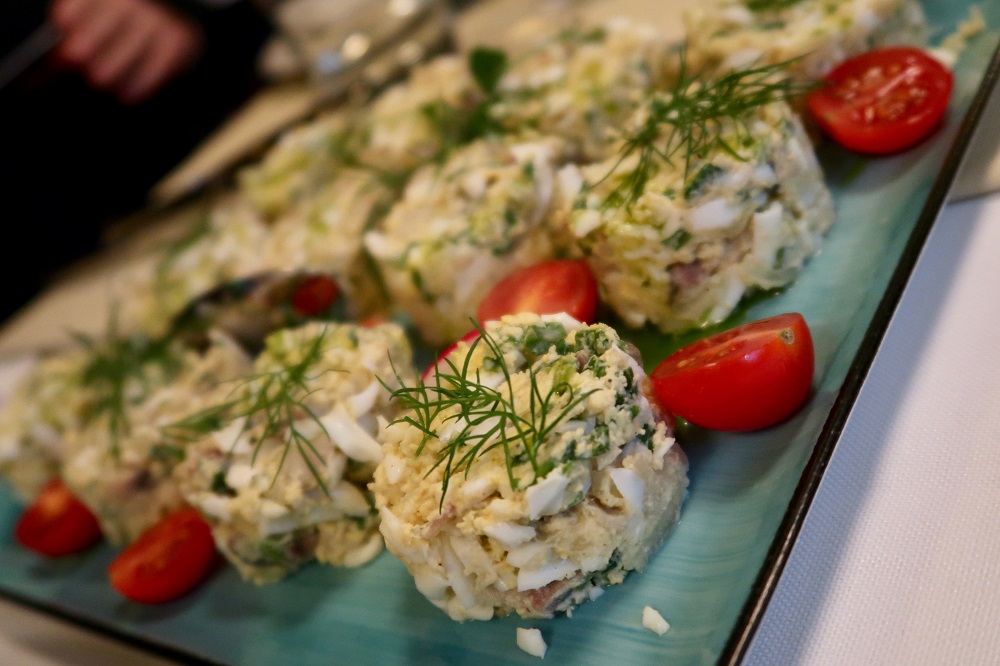
Finding Gdansk’s cooking after the war
One of the most interesting points was how difficult it could be to define Gdansk cuisine after the wartime destruction and reconstruction. Artur told us about an old cookbook containing simple recipes for soups, dumplings, breads and mead. These familiar foods offered a way to talk about the city’s cooking through recipes people could make, share and recognise.
He mentioned that the cookbook had been translated and could be bought in Gdansk. If that appeals, ask locally about the edition and language before searching for it. A cookbook is a particularly useful souvenir if you want to bring a little of the trip into your own kitchen, although it is worth checking that the measurements and ingredients will be practical at home.
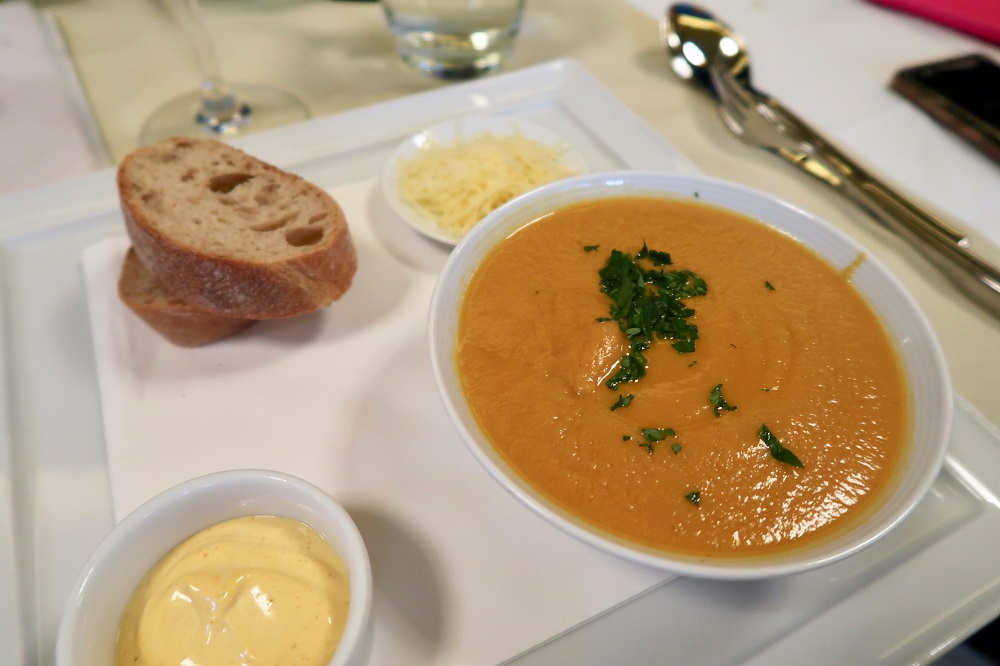
For eating on a budget, those everyday dishes are a good starting point. Read the soup descriptions rather than assuming they are all light starters, and check dumpling fillings before ordering. If you avoid meat, ask about the stock, sauce and toppings as well as the filling. A dish can sound suitable from its main ingredient while arriving with an accompaniment you were not expecting.
Herring, cabbage and something sweet
Artur described herring with cabbage as food associated with poorer households, while more affluent diners had game and fish with beer. That contrast was a useful reminder that culinary history includes ordinary meals as much as grand restaurant dishes. I would happily make room for a simple herring dish as part of exploring the city.
Ask how the herring is prepared before ordering, particularly if you have only eaten it one way before. The preparation and accompaniments matter as much as the fish itself. If you are sharing several dishes, choose different textures and flavours so the meal gives you more to compare.
On the sweeter side, we heard about a traditional drink made with cream, almonds, rum and sugar, with a wonderful floral aroma. Artur mentioned a local ice cream shop interpreting it as a flavour. I would love to return to try that. Ask about availability rather than assuming it is a permanent option, and check ingredients if nuts, dairy or alcohol are a concern. His comment that almonds and figs were luxuries after the war gave this sweet story another layer.
Choosing fish in Gdansk
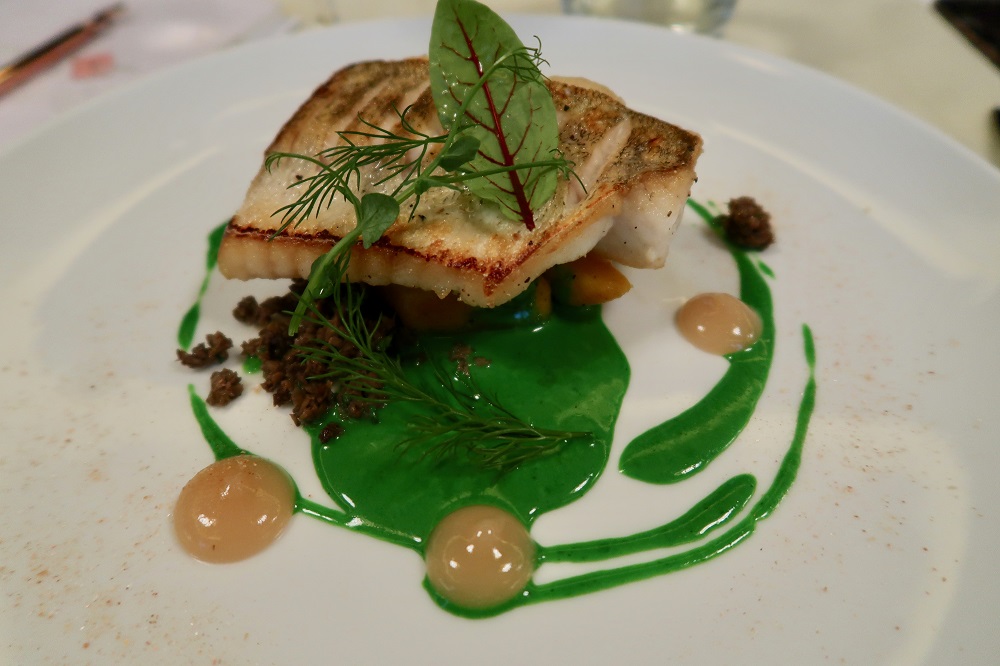
Fish was naturally a large part of our conversation. Zander was one of the varieties discussed, with a meaty texture that works well with herbs and spices. Plaice and flounder also featured in Artur’s rundown, including the familiar summer prospect of fish served with chips from a stall.
Before choosing, ask whether the fish is served whole or as a fillet, whether it contains bones and how the portion is priced. If a menu gives a price by weight, ask for the expected total for your portion. Check the cost of sides too. These small questions make comparing a casual fish lunch with a restaurant meal much easier.
Seasonality matters as well. Artur mentioned garfish around May and June, describing its softer flesh and distinctive blue backbone, while carp was associated with Christmas meals. He also described Baltic salmon as different in appearance and texture from the salmon familiar to us in the UK. I would use those descriptions as prompts for questions, since the fish on a particular menu may come from elsewhere.
Gdansk left me wanting to return for another city break. Between the Dutch-style buildings, the waterfront and all those food stories, there is plenty to enjoy at an unhurried pace. For a reasonably priced trip, I would mix one special restaurant meal with simpler lunches, compare menus and let the day’s appetite guide the rest. Let me know if you go!