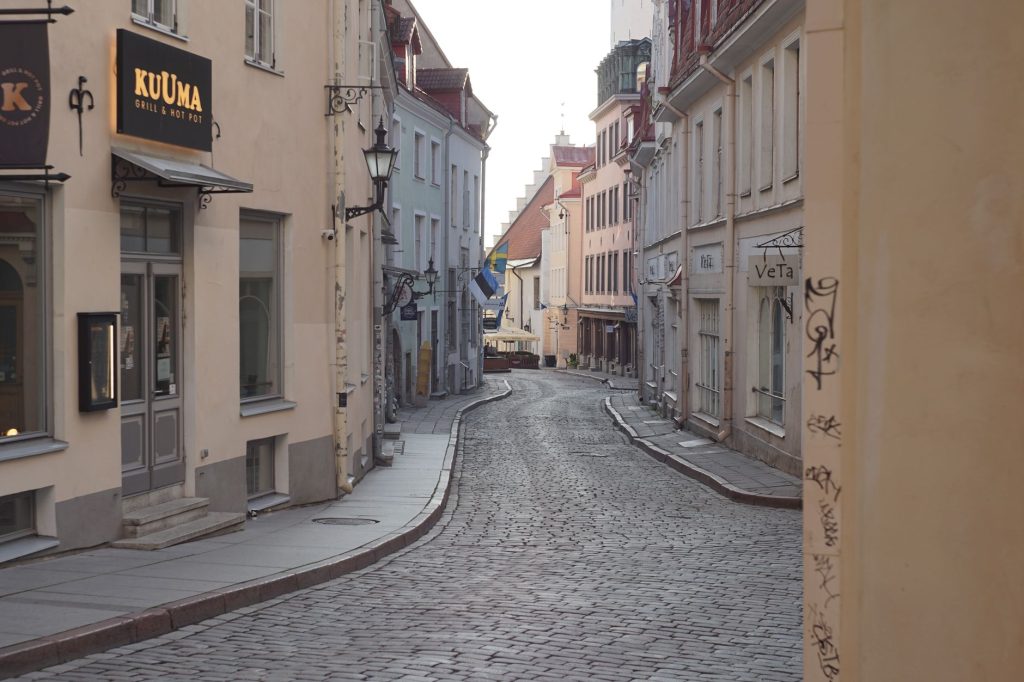
Tallinn rewards a winter visit when you give yourself permission to see less in a day. The old streets, steep roofs and small squares suit slow exploration, but cold feet and uncertain footing can turn an ambitious walking route into a chore. I would plan the stay around a comfortable base, one main outing in daylight and a reliable way to get warm before deciding what comes next.
For a budget trip, that means looking beyond the nightly room rate. A cheaper bed can lose its appeal if every meal needs a long walk, the entrance sits above slippery steps, or you keep paying for transport because returning feels difficult. Choose somewhere that makes an ordinary winter day easy, then build the sightseeing around it.
Choose your base by the walk home
Start with the route between your accommodation, a grocery shop and a useful transport stop. Those three points matter more than being beside a particular landmark. On a map, a short distance can hide a hill, an awkward crossing or a courtyard entrance. Read the arrival instructions and ask about the final approach before booking.
The lower part of the Old Town can suit a stay focused on historic streets and frequent room breaks. However, old buildings vary: check for stairs, lift access and where the entrance actually opens. A room described as central might still involve hauling a suitcase over uneven paving. Street-facing rooms can also be less restful if people gather outside late.
The area around Viru, just outside the Old Town, is another starting point for your accommodation search. It puts you near the historic centre while giving you access to shops and transport in the surrounding city. Look at the specific street and crossings, though, rather than treating the whole area as equally convenient.
Staying towards Balti Jaam or Kalamaja may appeal if you want to combine old streets with a different neighbourhood atmosphere. Check how you will cross between your room and your planned outings. For a short winter stay, I would favour a straightforward return route over a larger apartment that adds a complicated walk every evening.
Check the room as carefully as the location
A winter room needs to work during the hours when you are not sightseeing. Look for somewhere you can sit comfortably, dry damp outer layers and make a hot drink. A tiny room may be adequate for sleeping, yet frustrating when the weather persuades you to spend an afternoon inside.
- Heating: ask whether you can adjust it and whether guests have somewhere suitable to dry wet clothing.
- Entrance: check for outdoor steps, steep approaches and clear instructions for arriving after dark.
- Kitchen access: establish whether the listing means a private kitchenette, a shared kitchen or simply a kettle.
- Luggage: confirm storage arrangements if your arrival or departure falls outside room access times.
- Groceries: identify an accessible shop on the same side of any major road where possible.
Read recent guest comments for recurring practical problems rather than relying entirely on photographs. A handsome window does not tell you whether there is a draught, and a charming staircase is still a staircase with a bag in each hand.
Spend the best light on the outdoor part
Winter daylight is limited in Tallinn, and a cloudy afternoon can feel dim well before evening. Check sunrise and sunset for your actual travel dates, then put the most exposed or visually rewarding walking in the brighter middle of the day. Avoid building a schedule that only works if you leave at dawn and keep moving until dinner.
A useful daily pattern is breakfast at your base, a compact outdoor route, lunch or an indoor visit, then a decision about the afternoon. If you are warm and the footing is comfortable, add a small loop. If not, return for a break. Leaving space in the plan prevents the final stretch becoming an endurance exercise.
Pick an indoor anchor before setting out, but verify its opening arrangements locally. This could be a museum you actually want to visit or a café where buying something fits your budget. Do not assume every attractive doorway offers shelter, seating or public toilets. Keep a second option nearby in case your first choice is closed or full.
Make the Old Town two outings
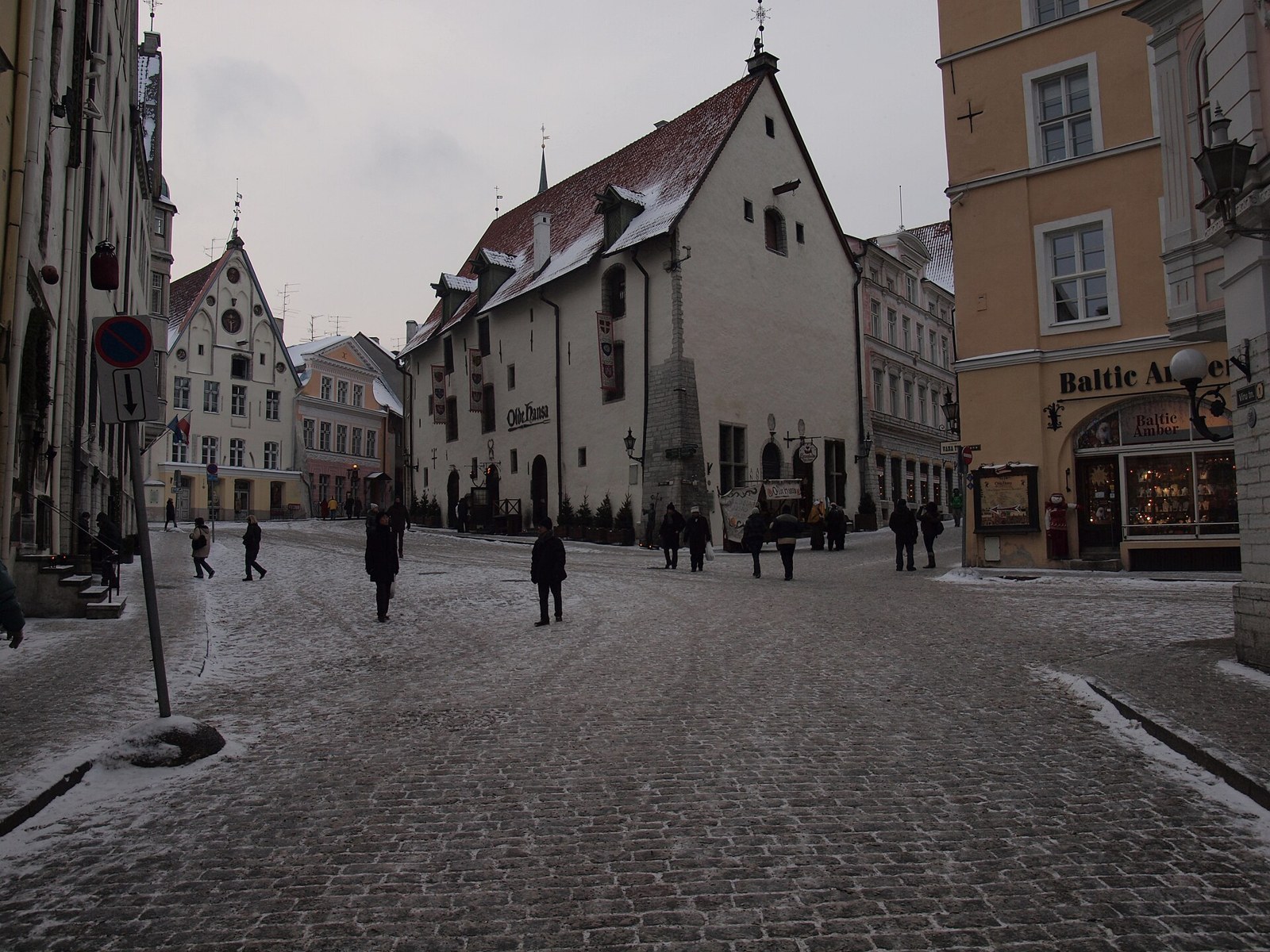
For your first outing, stay in the lower Old Town. Use Town Hall Square as an orientation point and explore a few surrounding streets rather than trying to cover every lane. Keep track of your direction back to the room: winding streets make it easy to drift farther away than intended.
Take your warm break before you feel thoroughly chilled. Lunch can be the end of the outing rather than an interval before another long walk. After resting, you can decide whether an easy return through a different street adds anything. Repeating a pleasant route in changing light is perfectly reasonable.
Save Toompea for a separate daylight window. Its elevated setting makes the approach an important part of the plan, especially when surfaces are icy. Choose your route according to conditions, allow time for the descent and avoid treating a viewpoint as compulsory. If the approach feels uncomfortable, use that day’s light elsewhere and reconsider later.
Keeping upper and lower sections separate also makes your plans easier to change. You will not feel that abandoning a climb means losing an entire itinerary. A shorter walk with a relaxed stop often leaves you with more energy to enjoy the evening.
Give another neighbourhood its own compact visit
Once you have settled in, plan a separate outing towards Balti Jaam and Telliskivi if that area interests you. Choose one purpose: browsing, a meal or an indoor activity. Add a short walk around it, with a clear stopping point. Avoid extending the trip simply because the next place looks close on the map.
The same principle applies to Kadriorg: treat it as its own outing, with transport considered in advance, rather than adding it after a tiring Old Town morning. A park visit depends on the weather and path conditions. Pair any outdoor time with an indoor destination whose opening hours you have checked, and keep the return simple.
There is no need to include both areas on a brief stay. Choose the one that matches your interests and the conditions. Travelling across town for something you barely want to see rarely feels economical once you count the effort and the extra meal stops.
Use groceries to make shorter days affordable
Shop early in the stay, before you are tired and carrying wet gloves. Buy breakfast ingredients, a manageable evening meal and something to carry on an outing. Match the food to the equipment you actually have: bread, fruit and yoghurt require different facilities from a meal that needs pans and a hob.
With a kitchen, a simple supper gives you the option to come home before dark without going out again. Without one, check what can be safely stored and prepared in the room. Avoid buying several days of chilled food unless you have a suitable fridge.
I would keep the first shop modest. You can adjust once you know your appetite and daily routine. Saving money on breakfast may leave room in the budget for a welcome indoor lunch, which serves both as a meal and a proper pause in the day.
Leave yourself an easy final evening
Keep shoes with dependable grip, spare dry socks and gloves within reach, and allow extra time whenever surfaces look slippery. Short steps and a less direct route may be more sensible than following the quickest line on your phone. Transport is a useful fallback; check stops, tickets and service information before you need it.
On the last evening, pack and arrange your departure while you still have energy. Leave one small pleasure nearby: a familiar street, a quiet meal or a hot drink. A successful winter stay in Tallinn does not require a full map of completed walks. It needs a base you are glad to return to and enough flexibility to enjoy the daylight you have.