Choosing a winter base in Innsbruck starts with a less glamorous question than the view: what happens between stepping off the train and taking off your wet boots? Without a car, your accommodation becomes the link between station arrival, local transport, mountain plans and evenings on foot. A room that makes those transitions easy can be better value than a cheaper one that adds an awkward journey every day.
I would choose the area only after sketching an ordinary day, including the return journey. You need somewhere that works when the weather is clear and you leave early, but also when you come back cold, carrying damp layers, with little daylight left. Here is how to turn that routine into a useful accommodation shortlist.
Start with the journey from the station
If you arrive by rail at Innsbruck Hauptbahnhof, judge potential accommodation from the station entrance rather than from a pin labelled “city centre”. The first transfer matters when you have a suitcase, a bulky coat and perhaps ski equipment. A short walk on a map may feel considerably longer if it involves several crossings, uneven surfaces or searching for an entrance after dark.
For each property, write down the actual arrival sequence: leave the station, find the stop if needed, board with luggage, get off, then walk to reception. Check the route using the local transport information available for your travel dates. Do not assume that a convenient daytime connection will be equally useful for a late arrival.
Ask the accommodation about its entrance and check-in arrangements. An address can lead to a building with a separate reception entrance or stairs before the lift. If arrival depends on collecting a key elsewhere, include that detour in your comparison. The simplest first evening is usually worth something, especially on a short trip.
Choose an area around your daily routine
There is no single ideal neighbourhood for every car-free winter visit. Staying near the main station can simplify arrival and departure, particularly if you have an early train or plan several rail outings. Look beyond proximity, though: check the final walking route, access to groceries and whether the room faces a busy road. Ask about noise if sleep is a priority.
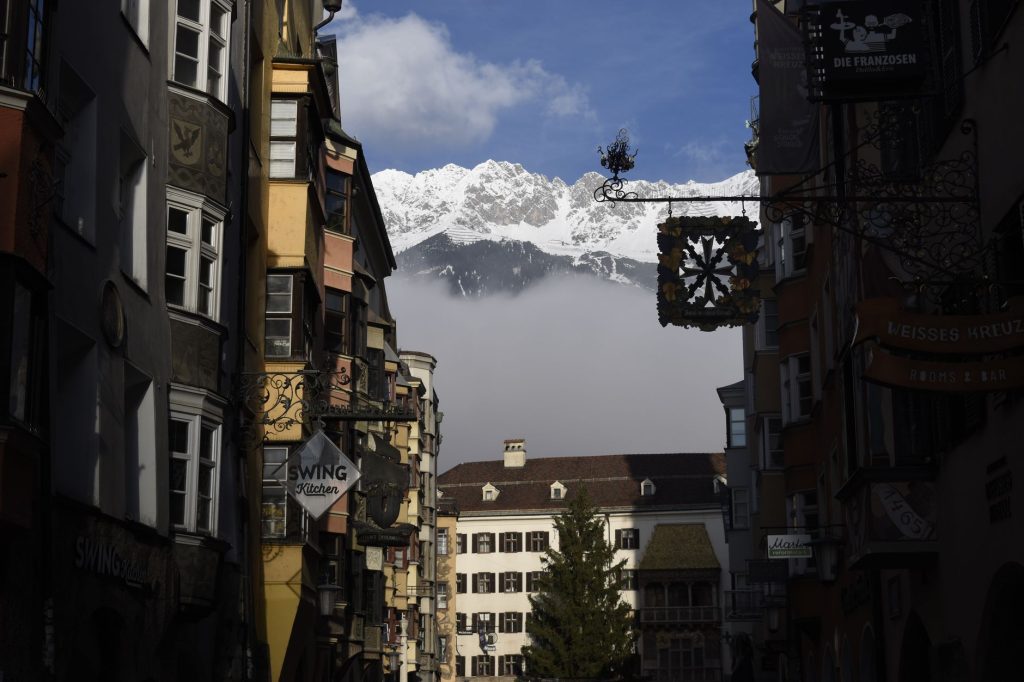
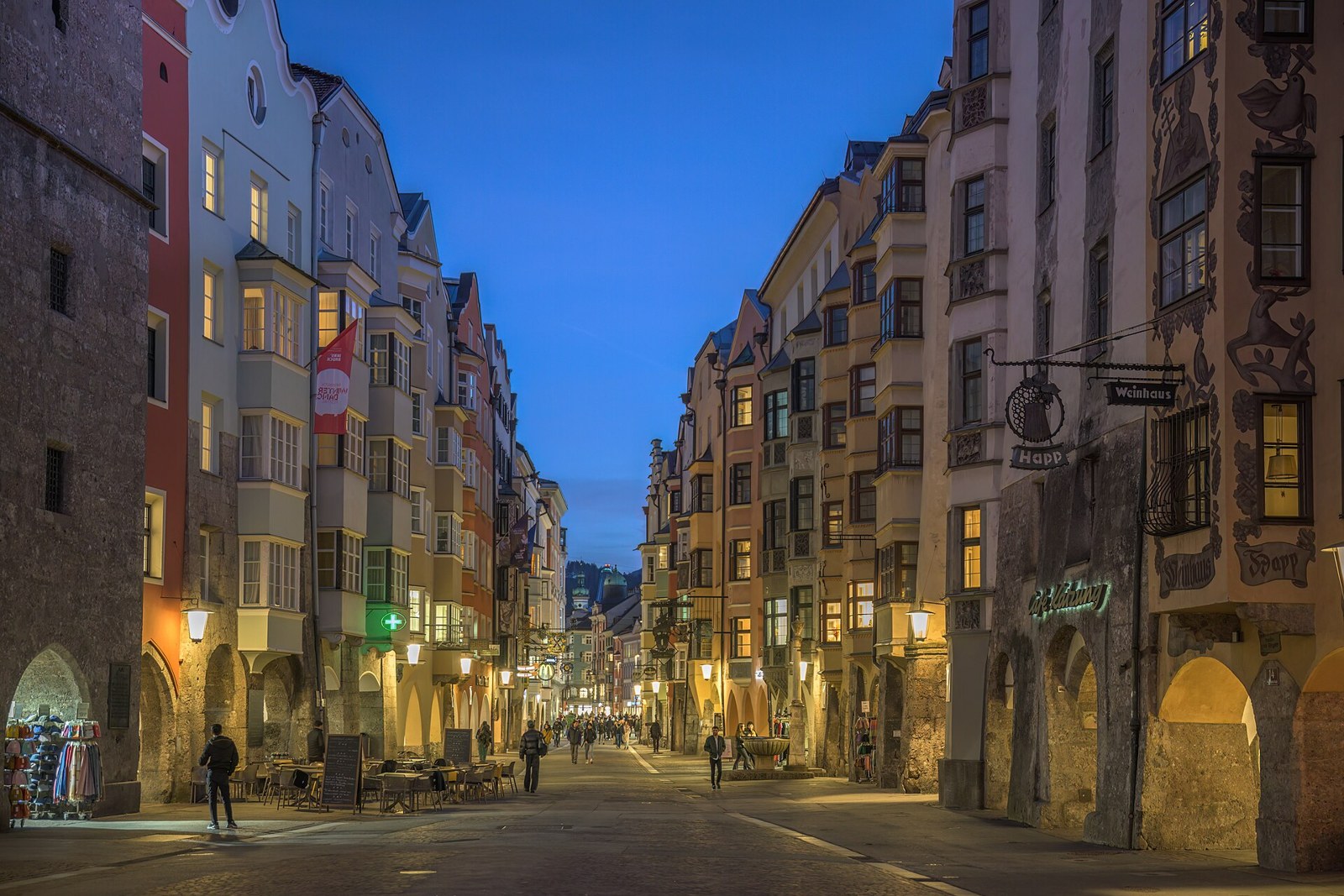
A central base around the old town can suit a trip built around walking, meals and indoor stops between outdoor excursions. The practical advantage is being able to return to your room without making every break a transport project. However, an attractive historic address still needs checking for stairs, luggage access and the distance to the stops you will actually use.
Accommodation farther from the centre may offer more space or cooking facilities. It becomes a useful alternative when the nearby transport serves your plans well and the walk from the stop is manageable in winter. Compare individual routes rather than assuming that every address outside the centre is inconvenient, or that every central address is effortless.
Match the transport stop to the outing
“Near public transport” is too vague to settle a booking. First decide whether your trip is mainly about the city, skiing, mountain sightseeing or a mixture. Then identify the departure points relevant to those plans. A stop outside the door has limited value if reaching your intended connection requires another transfer with equipment.
Keep mountain access separate from city transport in your planning. Check the applicable services, operating information and ticket conditions for each outing. If accommodation advertises a guest card or transport benefit, ask what your booking includes and which journeys it covers. Do not build the budget around an assumed inclusion.
For a short stay, I would favour a base that makes one or two priority outings straightforward. Trying to optimise access to every possible destination can leave you paying for convenience you barely use. Keep a weather-flexible city day available so a change of plan does not turn into a wasted day.
Treat wet clothing storage as a room requirement
A winter room needs to handle the return, not just provide a bed. Damp jackets, gloves and footwear take up space, and drying them beside your sleeping area can make a compact room uncomfortable. Before booking, ask exactly where guests can leave wet outerwear and whether that space is secure, ventilated and accessible when you expect to return.
If you are skiing, distinguish between equipment storage and drying facilities. A place to lock away skis does not necessarily provide somewhere for boots or gloves to dry. Ask whether there is a designated boot area, how it works and whether access is shared. For a walking-focused trip, hooks, a suitable footwear area and somewhere to spread damp layers may be sufficient.
- For outerwear: look for usable hanging space beyond a crowded wardrobe.
- For footwear: ask where wet boots should go and whether there is a drying arrangement.
- For equipment: confirm storage rules before arriving with skis or a snowboard.
- For longer stays: check laundry access, including drying, rather than relying on a washing machine alone.
Follow the property’s drying instructions. Do not plan to cover heaters or turn furniture into a drying rack. A clear answer about wet gear is more useful than a general promise that a room is suitable for winter guests.
Build the day around usable daylight
Winter plans need a realistic turnaround point. Work backwards from the return connection and the amount of daylight your outing requires, then allow time for finding the stop, waiting and walking back to your accommodation. An itinerary that works only when every connection is immediate is a fragile one.
Your base can make an early departure easier. Check breakfast hours, or choose a room where you can prepare a simple breakfast if that suits you. If you need to collect equipment from storage before leaving, confirm that you can access it early. These small details matter more than a long list of facilities you will not use.
Keep the first afternoon modest if you arrive partway through the day. Settle in, locate the useful stop and buy any essentials before attempting a time-sensitive outing. On your last day, luggage storage can be particularly valuable: establish whether bags can stay after checkout and when you must retrieve them.
Compare the whole stay, including evenings
For a budget trip, compare accommodation costs with the journeys and meals each location creates. A kitchen or kitchenette may help if you will actually cook, but check what it contains. A kettle and fridge support a different routine from a hob and basic cookware. Include the effort of carrying groceries back from the shop.
Think about the evening you are likely to want after a cold day. Nearby food options, a manageable walk from transport and somewhere comfortable to sit can make a simple room work well. A remote bargain is less appealing if every evening requires another outing when you would rather rest.
Before paying, send a short message covering your arrival time, luggage, wet clothing and any equipment. Read the answers alongside the cancellation terms and the route details. Choose the base that gives you a workable ordinary day: an uncomplicated arrival, a sensible departure, enough daylight for your plans and a comfortable place to return with wet boots.