A ryokan evening is easier to enjoy when you arrive with time to spare. In Matsumoto, it is tempting to fit in one more stop around the castle or another wander through the centre before heading to your accommodation. But if your booking includes dinner, the meal can set the rhythm for everything else: your journey, check-in, first bath and even when your bedding appears.
I would plan the arrival afternoon backwards from dinner, using the property’s own instructions. A ryokan is a Japanese inn, but that label does not promise one standard routine. Meals, bathrooms, luggage storage and room arrangements vary. A few clear questions before travelling will help you avoid paying for an experience you have too little time to enjoy.
Start with the meal plan on your booking
Read the reservation details before building your sightseeing day. Check whether you booked a room only, breakfast, or dinner and breakfast. Do not assume that a photograph of an elaborate meal means dinner is included in your particular plan. Also confirm whether meals are served in your room, a shared dining room or another space.
Ask for the dinner start time, whether there is a choice of sittings, and the latest arrival time for guests having dinner. These are separate questions. A property may accept check-in after its kitchen can accommodate a meal, so a general check-in deadline is not enough.
If you have an allergy or dietary requirement, explain it before booking where possible. Ask whether the kitchen can accommodate the specific ingredients involved, including stocks and sauces. A request recorded on a booking form is not the same as an accepted arrangement. If the answer is uncertain, choose a meal plan you can comfortably manage.
Check where your ryokan actually is
A Matsumoto address does not automatically mean a short walk from Matsumoto Station. Look at the property’s location and its arrival instructions together. An inn in the central area and one in the Asama Onsen area call for different plans, particularly when you have luggage and a fixed dinner time.
Work out the final leg as carefully as the train journey. Confirm the appropriate stop if using a bus, the walk from that stop, and whether a transfer needs booking. If the property offers a pickup, ask where to meet, which arrivals it serves and what happens if your train is delayed. Do not build the afternoon around an unconfirmed lift.
For a tighter budget, choose sightseeing that fits naturally between your arrival point and your accommodation. Crossing town repeatedly with bags can make a seemingly economical day awkward. Keep an alternative for the final journey if the connection you intended to use does not work out.
Separate luggage drop-off from room access
Arriving in Matsumoto before check-in can give you a useful sightseeing window, provided your bags have somewhere to go. Ask the ryokan whether it accepts luggage before check-in, from what time, and whether someone will be there to receive it. Small properties may not have a continuously staffed reception.
Permission to leave bags does not usually mean permission to use the room or baths. Confirm each separately if you hope to change clothes or freshen up. Pack a small daytime bag so you can leave your main luggage without unpacking it in the entrance.
If the inn cannot store bags, consider station storage as a possible alternative, while allowing for availability and collection arrangements. Avoid making a particular locker essential to reaching dinner. After-checkout storage also needs its own confirmation; an early bag drop does not tell you what is possible the following morning.
Build breathing room before dinner
Once the inn has confirmed its schedule, leave space between arrival and the meal. Check-in may involve a room introduction, explanations about bathing, choosing a breakfast time or discussing bedding. You may also want to sit down with some tea before doing anything else.
Think in a simple sequence: finish sightseeing, collect luggage, travel to the inn, check in, settle, then bathe if there is time. Treat the bath as flexible. Arriving just in time for dinner and trying to squeeze in a soak can turn the most restful part of the stay into a deadline.
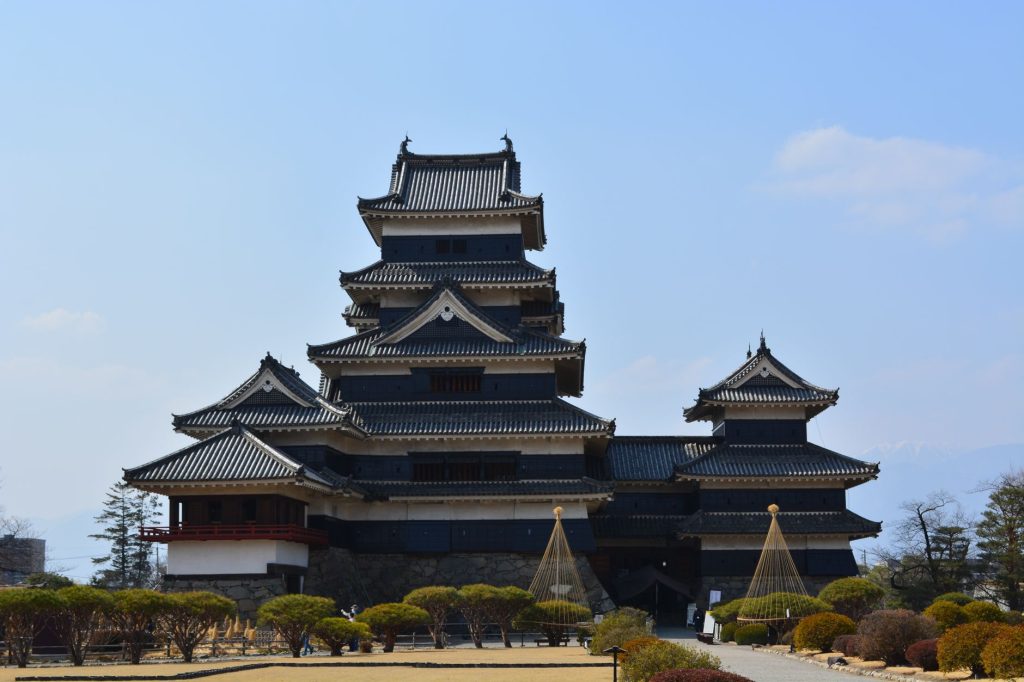
If visiting Matsumoto Castle or walking through Nakamachi, decide beforehand which stop you will shorten if the day slips. Keep anything with a long return journey for another day. It is easier to leave an optional stroll unfinished than to negotiate a dinner service that has already begun.
Ask how bathing works at this property
Check whether your room has its own bathroom and whether the inn has shared baths, private baths or both. Do not assume every ryokan has hot-spring water, an outdoor bath or a bath that can be reserved. If bathing is a main reason for booking, establish what is included before committing.
For shared baths, ask about opening hours, cleaning closures and any changes in which bath is assigned to which guests. If you want private use, confirm how reservations work, whether there is an additional charge and how long a session lasts. Ask about tattoo policies directly if relevant to your party.
Follow the property’s instructions once there. In a shared Japanese-style bath, wash and rinse thoroughly before entering the soaking water. Keep towels out of the water, and do not bring a phone or camera into communal changing or bathing areas. Check the arrangements if you are travelling with children or need assistance.
Put your washing things and clean clothes within easy reach before heading down. If the pre-dinner window feels rushed, ask whether bathing later is possible. A relaxed soak after your evening has settled may suit you better than watching the clock before the meal.
Understand the room and bedding routine
A tatami room may serve as both sitting space and sleeping space. Ask whether staff lay out futons while you are at dinner, whether they come at an agreed time, or whether guests prepare bedding themselves. Some rooms have permanent beds, so check the room description rather than relying on the word ryokan.
If staff will enter, make it easy for them to work. Keep bags and belongings away from the area needed for bedding, and secure valuables. Ask where to place luggage, especially if the room has tatami flooring. Follow the inn’s guidance about shoes and slippers instead of wheeling a suitcase straight across the matting.
Travelling with someone who finds floor bedding difficult? Confirm the sleeping arrangement before booking. The same applies to stairs, seating and access to the bathroom. A charming room photograph will not answer those practical questions.
Send one useful message before travelling
A short message with your booking name, arrival date and expected arrival time makes it easier for the inn to help. You can adapt this checklist rather than sending several separate queries:
- What time should we arrive for our included dinner, and when does the meal begin?
- Can we leave luggage before check-in, and is advance notice needed?
- What bathing arrangements and opening hours apply to our booking?
- When and how is bedding prepared in our room?
- Are our dietary requests confirmed, and how should we contact you if delayed?
Save the reply and the property’s address somewhere you can access without a connection. If a delay develops, use the agreed contact method promptly and give a realistic arrival estimate. Ask what remains possible rather than assuming dinner can be held. With those details settled, your arrival can be pleasantly simple: put down the bags, learn the house routine and let the evening unfold.