You’ve seen the Instagram shots of Fushimi Inari and the Bamboo Grove. They’re packed, right? I’ve been visiting Kyoto for over a decade, and I can tell you the real magic isn’t there. It’s in the backstreets, the mossy temple gardens that don’t make the guidebooks, and the noodle shop with only six seats. This itinerary is built for the traveler who wants to feel Kyoto, not just check boxes. I’ll show you exactly where to go, what to skip, and how to save money while doing it.
How I Built This Itinerary (And Why It Works)
I spent six cumulative years living in and exploring Kyoto. I’ve made every mistake: queuing for an hour at a tourist-trap ramen joint, paying ¥3000 for a matcha experience that was basically sugar water, and walking past a tiny, perfect temple because it wasn’t on my map.
This plan is the result of all those failures. It prioritizes morning visits to popular spots (you’ll beat 90% of the crowd by arriving at 7:30 AM) and afternoon exploration of lesser-known neighborhoods. Every day includes one major sight and two quiet ones. You’ll walk about 12-15 km per day, so wear comfortable shoes.
Key principle: I skip the overpriced “cultural experience” packages sold at hotels. Instead, I point you to the real thing — a 400-year-old tea house that costs ¥500 to enter, a temple garden where you can sit for an hour without seeing another tourist, and a food market where locals actually shop.
Day 1: The Eastern Hills — Temples, Tea, and a Secret Path
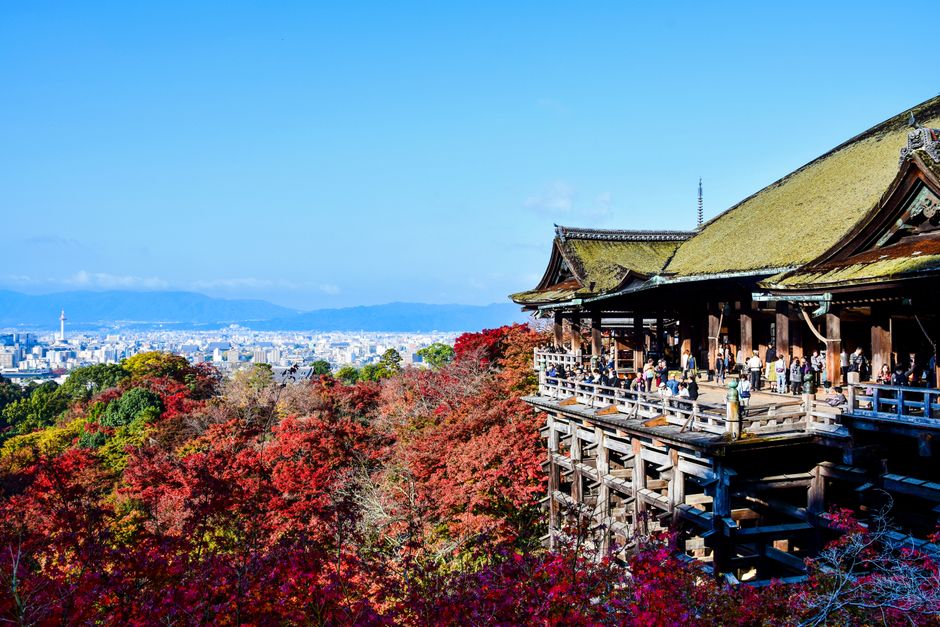
Start at Kiyomizu-dera at 7:30 AM. The main hall is famous, but I skip the crowded viewing platform. Walk around the side to Jishu Shrine — two stones set 18 meters apart. Close your eyes and walk from one to the other. If you reach the second stone, tradition says your love wish will come true. It’s a quiet, human moment that most tourists miss.
From Kiyomizu-dera, take the Ninenzaka and Sannenzaka slopes. By 9 AM, the souvenir shops are open but the crowds haven’t arrived yet. Stop at Mameya (a tiny bean shop that’s been around since 1865) and buy a small bag of their matcha-flavored soy beans for ¥400. Skip the overpriced matcha ice cream stands.
At 10:30 AM, walk the Philosopher’s Path. In cherry blossom season (late March to early April), this is the most beautiful walk in Kyoto. But even in autumn or summer, the 2 km path along the canal is peaceful. I stop at Honen-in Temple halfway along — free entry, almost no tourists, and a moss garden that feels like a secret. Sit on the bench for 10 minutes. Just sit.
Lunch: Omen in the northern end of the path. Their udon noodles in a light broth cost ¥1,200. It’s a chain, but a good one — the noodles are hand-pulled daily.
| Time | Activity | Cost (¥) |
|---|---|---|
| 7:30-9:00 | Kiyomizu-dera + Jishu Shrine | ¥500 entry |
| 9:00-10:30 | Ninenzaka + Sannenzaka slopes | Free |
| 10:30-12:30 | Philosopher’s Path + Honen-in | Free |
| 12:30-13:30 | Lunch at Omen | ¥1,200-1,500 |
| 14:00-16:00 | Gion district (backstreets only) | Free |
Afternoon: Walk through Gion, but avoid the main street (Shijo-dori). Go one block north to Shimbashi-dori — a narrow canal lined with old wooden machiya houses. If you’re lucky, you’ll spot a geiko (Kyoto dialect for geisha) walking to an appointment around 5 PM. Don’t chase them for photos. Just watch from a respectful distance.
Day 2: The Northern Hills — Moss, Zen, and the Best Tofu in Town
This is my favorite day. Start at Ryoan-ji at 8 AM. The rock garden is famous, but I go for the kyoyochi pond behind the main hall. Walk around the pond counterclockwise. At the far end, there’s a small teahouse where you can get matcha and a sweet for ¥700. Most tourists miss this entirely.
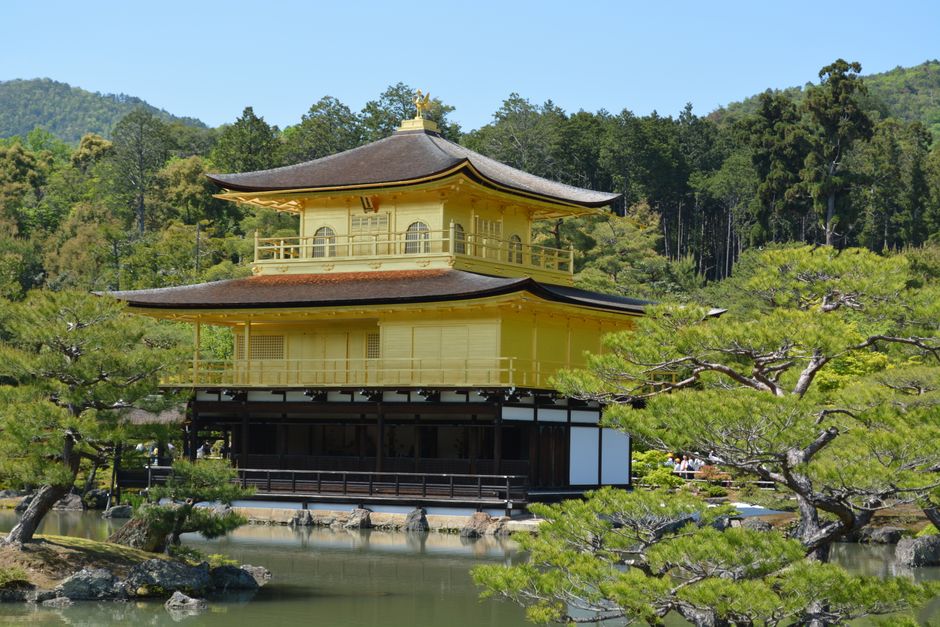
From Ryoan-ji, walk 15 minutes to Kinkaku-ji (the Golden Pavilion). Yes, it’s crowded. But if you arrive by 9:30 AM, you’ll only share it with about 50 people instead of 500. Spend 30 minutes max. The reflection of the gold in the pond is worth seeing once.
Here’s the real hidden gem: From Kinkaku-ji, take bus 205 to Daitoku-ji. This is a massive temple complex with five sub-temples. Most tourists skip it because it’s not in the guidebooks. I go to Daisen-in (¥400 entry). The rock garden here is smaller than Ryoan-ji’s, but more intimate. You can sit on the wooden porch and stare at the raked gravel for an hour. I’ve done it. It’s worth it.
Lunch: Uzuraya near Daitoku-ji. They serve yudofu (hot tofu in a simple broth) for ¥1,500. It’s the best tofu I’ve had in Japan — silky, almost sweet. They make it fresh every morning.
Afternoon: Walk through the Kamigamo Shrine area. It’s a UNESCO site, but it’s also where locals go for evening walks. The grass mounds are perfect for a nap. No joke — I’ve fallen asleep there twice.
Day 3: Arashiyama Without the Crowds
Everyone goes to the Bamboo Grove. I go at 7 AM. By 8 AM, it’s already shoulder-to-shoulder. At 7 AM, you’ll have it almost to yourself. The light filters through the bamboo in a way that feels sacred.
After the grove, walk across the Togetsukyo Bridge and immediately turn left. Follow the river upstream for 10 minutes. You’ll reach Okochi Sanso Villa, the former home of a famous actor. The garden is stunning — ¥1,000 entry includes matcha and a sweet. But I skip the villa itself and just walk the garden path. It takes about 45 minutes and ends at a viewpoint over the entire valley.
Lunch: Yoshimura Soba near the bridge. Their zaru soba (cold noodles) costs ¥1,100. Sit at the counter and watch the chef work. He’s been making soba for 40 years.
Afternoon failure mode to avoid: Don’t take the Sagano Romantic Train. It’s overcrowded, overpriced (¥1,000 for a 25-minute ride), and the views are mediocre. Instead, rent a bicycle from Rent-a-Cycle Arashiyama (¥1,500 for the day) and ride the back roads through the bamboo forests. You’ll cover more ground and see places the train doesn’t reach, like the Adashino Nenbutsu-ji Temple — a hillside covered in thousands of stone statues. It’s haunting and beautiful.
Return the bike by 5 PM and walk through Torokko Station area. The shops close early, but the quiet streets in the evening are lovely.
Day 4: The Southern Route — Fushimi Inari and a Hidden Sake District
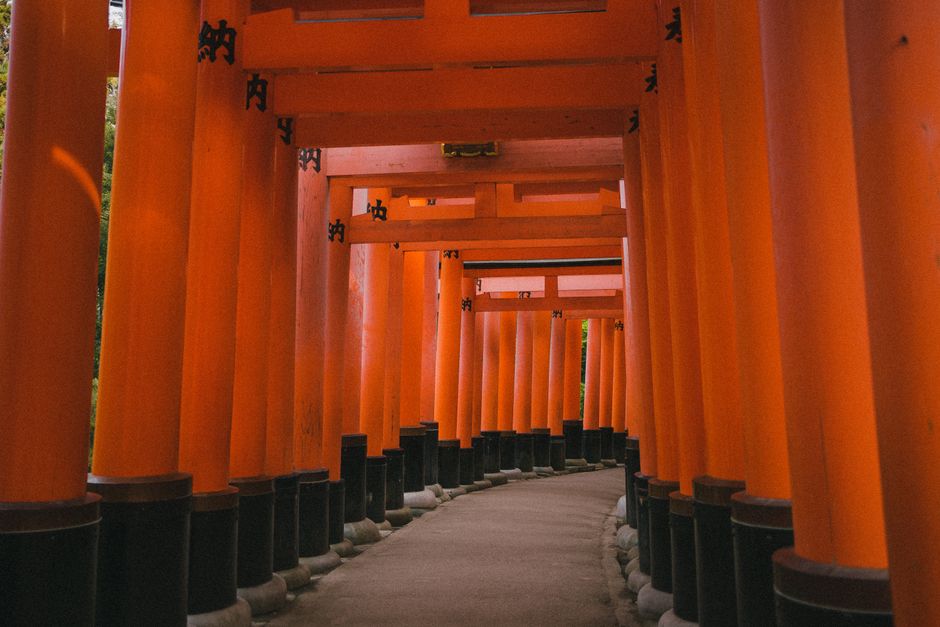
Fushimi Inari at 6:30 AM. I know it’s early. Do it anyway. The first kilometer of gates is always busy, but most tourists turn back after 20 minutes. Walk further — 2 km in, the crowds disappear. The gates get older, mossier, and more beautiful. I’ve hiked the full 4 km loop twice. It takes about 2 hours. Bring water.
At the base of the mountain, walk 10 minutes to Fushimi Sake District. This neighborhood has been brewing sake since the 1600s. Most tourists don’t know it exists. Walk along the canal and visit Gekkeikan Okura Sake Museum (¥400 entry, includes a tasting of three sakes). The museum is small but fascinating — they show how sake was made by hand before industrialization.
Lunch: Fushimi Yume — a tiny restaurant serving sake lees ramen for ¥900. The broth is made from the byproduct of sake brewing. It’s creamy, slightly sweet, and unlike any ramen you’ve had. I’ve brought three friends here and all of them said it was their best meal in Kyoto.
Afternoon: Take the Keihan line to Tofuku-ji Temple. The main hall is nice, but the real treasure is the Tsutenkyo Bridge over the maple tree valley. In November, the colors are spectacular. Even in summer, the green canopy is peaceful. Entry is ¥400.
Day 5: The Northwest — A Temple You’ve Never Heard Of and a Local Market
Start at Kokedera (Saiho-ji) — the Moss Temple. This is hard to get into. You must reserve at least two weeks in advance by sending a postcard with a return envelope. Yes, a postcard. It’s archaic. But the garden has over 120 types of moss, and the experience includes a calligraphy session before you walk the grounds. Entry is ¥3,000, and it’s worth every yen. If you can’t get in, go to Tenryu-ji in Arashiyama instead — its garden is also excellent and requires no reservation.
Afternoon: Nishiki Market. Skip the main aisle (tourist central). Go to the side streets — specifically Teramachi-dori and Shinkyogoku-dori. These are covered shopping arcades where locals buy kitchen knives, tea, and pickles. I always stop at Matsumoto Shoyu for their soy sauce — they’ve been making it since 1716. A 500 ml bottle costs ¥800. It’s a perfect souvenir.
Final evening: Pontocho Alley at 6 PM. This narrow lane along the river is famous, but I go for the yakiniku (grilled meat) shops on the second floor. Yakiniku Hiro has a set menu for ¥3,000 — excellent wagyu, grilled at your table. Reserve a riverside seat if you can.
One last thing: don’t buy a Kyoto City Bus Pass (¥1,200 for two days). I’ve done the math. Unless you’re taking 5+ bus rides per day, you’re better off paying per ride (¥230 each). A single-day subway+bus pass (¥900) is only worth it if you’re crossing the city multiple times in one day. Most of my itinerary is walkable between sights.
Kyoto rewards the patient traveler. The temples you stumble upon by accident, the meal you share with a local at a counter, the 15 minutes of silence in a moss garden — those are the moments that stay. Go slow. Skip the famous spots at peak hours. And always, always walk the backstreets.