In 2019, a traveler could survive on $25 per day in Thailand. By early 2026, that same traveler needs roughly $35–$40 to maintain the same standard. That is a 40% jump in six years — and most guidebooks have not caught up. Here is what the numbers actually look like now, where the money leaks are, and how to keep the trip affordable without sleeping in a bus station.
Where the Budget Bleeds: The Three Biggest Cost Drivers in 2026
Three categories have inflated faster than everything else. Ignore them and your budget collapses.
Transportation
Domestic flights in Indonesia and the Philippines have risen 50–70% since 2026. A one-way from Bali to Labuan Bajo that cost $45 in 2026 now runs $75–$90. Buses and trains have increased less — roughly 15–20% — but overnight trains in Thailand (Bangkok to Chiang Mai) now cost $28 for a second-class sleeper, up from $20. The culprit is fuel surcharges and reduced flight frequency post-pandemic.
Accommodation
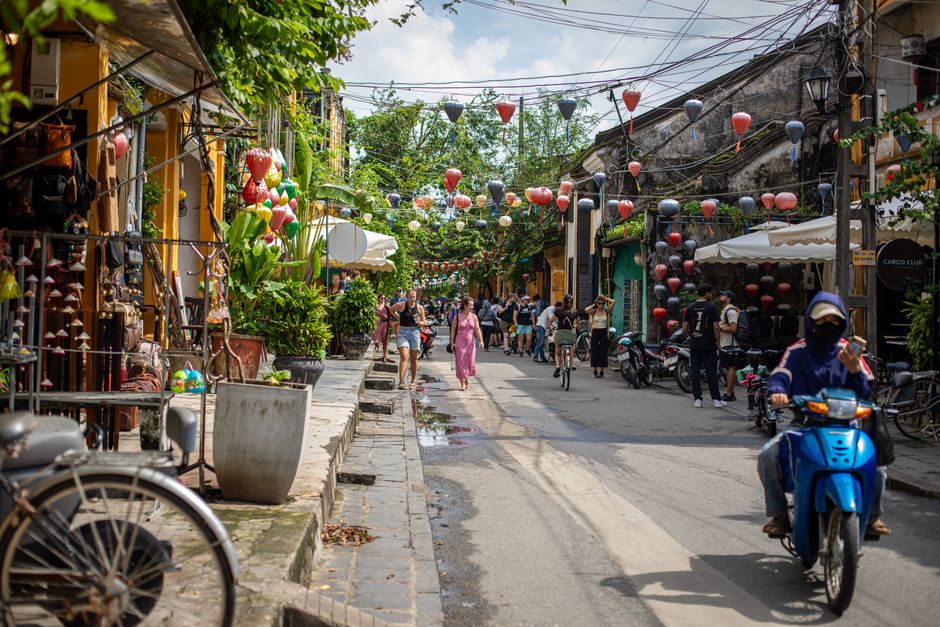
Hostel dorm beds in Bangkok’s Khao San Road area start at $8–$12. That same bed was $4–$6 in 2019. A private room in a guesthouse in Chiang Mai now averages $18–$25. In Vietnam, budget hotels in Hanoi’s Old Quarter are $15–$20. The cheap $10 rooms are gone in most tourist hubs. Book on Agoda or Hostelworld at least 2 weeks ahead to lock current rates.
Visas and Entry Fees
Thailand’s visa exemption for many nationalities remains free for 30 days, but overstay fines increased to $1.50 per day. Vietnam reintroduced a $25 e-visa fee. Cambodia charges $30 for a tourist visa on arrival. Laos raised its visa fee to $40. These add up fast if you hop between countries.
Daily Budget Breakdown: Three Scenarios That Actually Work
Here is a realistic per-day cost for three traveler types. These assume no splurge hotels or fancy dinners — just honest backpacking.
| Expense | Budget ($30/day) | Mid-Range ($45/day) | Flashpacker ($65/day) |
|---|---|---|---|
| Dorm bed / private room | $8 | $18 | $30 |
| Street food / restaurant meals | $7 | $12 | $18 |
| Local transport (bus, train, Grab) | $5 | $8 | $10 |
| Activities (temples, treks, dives) | $6 | $5 | $5 |
| Misc (water, snacks, SIM) | $4 | $2 | $2 |
| Total | $30 | $45 | $65 |
The budget scenario works in Laos, northern Vietnam, and rural Cambodia. The mid-range is realistic for Thailand, Vietnam cities, and Bali. The flashpacker level covers nicer private rooms and a few domestic flights.
Three Ways to Stay Under $35/Day Without Sacrificing the Experience
Cutting costs does not mean skipping temples or eating only 7-Eleven toasties. These three strategies actually preserve the trip quality.
1. Travel overland. Skip flights. Use Rome2Rio to plan bus and train routes. The Bangkok to Chiang Mai overnight train costs $28 and saves a night of accommodation. The Hanoi to Ho Chi Minh City train (36 hours) costs $45 in a soft sleeper. You see the countryside and avoid $90 flights.
2. Eat where locals eat. Street stalls in Bangkok serve pad thai for $1.50. In Hoi An, a bowl of cao lau costs $1.80. Tourist restaurants charge triple. Walk two blocks away from the main square. If the menu has photos in six languages, keep walking.
3. Use Grab or local ride-hailing. Tuk-tuks in Bangkok quote $8 for a 15-minute ride. A Grab car costs $3–$4. In Vietnam, GrabBike is often $1.50 per trip. Always check the app price before negotiating with a driver.
The Hidden Costs That Sneak Up on Week Two
Most budget breakdowns cover accommodation, food, and transport. They miss the slow bleeders. Here are three that wreck budgets by day 14.
- Laundry. Hostels charge $2–$4 per kilo. That is $6–$12 per week. Wash clothes in your sink with a $1 bar of soap. Dries overnight in tropical heat.
- SIM cards and data. Buying a SIM at the airport costs $15–$20. A local shop in town sells the same plan for $5. Get a TrueMove SIM in Thailand or Viettel in Vietnam from a 7-Eleven or phone store.
- Entrance fees. Angkor Wat costs $37 for a single day pass. The Grand Palace in Bangkok is $15. These are unavoidable, but plan around them. Do not visit Angkor Wat for just one day — the $62 three-day pass is better value if you stay longer.
One more trap: ATM fees. Thai ATMs charge $2.20 per withdrawal. Vietnamese ATMs charge $1.10. Withdraw larger amounts less often. Bring a fee-free debit card like Charles Schwab or Revolut if you can.
When Southeast Asia Does Not Make Sense for Your Budget
This is the honest part. If your total trip budget is under $1,200 for three weeks, including flights from North America or Europe, Southeast Asia is no longer the automatic cheapest option. The flight alone costs $700–$900 round trip from the US West Coast. That leaves $300–$500 for 21 days — which is $14–$24 per day. That is not enough for 2026 prices.
Alternatives: Mexico and Central America offer similar costs ($30–$40/day) with cheaper flights from the US ($300–$500 round trip). Nepal and Sri Lanka are also under $30/day and closer to Europe. If your budget is tight, pick one country and stay put. Country-hopping adds $50–$100 in transport fees per move.
For someone with $2,000 to spend over three weeks, Southeast Asia still delivers. Street food, cheap beer, world-class temples, and islands. Just do not expect 2019 prices. Plan for $35–$45/day, book transport in advance, and skip the tuk-tuks. The trip works. It just costs more than your cousin’s 2017 story suggests.