Most people think Japan’s winter is just cold. It’s not. Tokyo hits 2°C with wind that cuts through a standard North Face jacket like it’s tissue paper. Sapporo gets 5 meters of snow per season. Kyoto is damp cold that seeps into your bones. I moved there for two years and burned through three jackets before figuring out what actually works. Here’s the short version: forget fashion brands, look for specific insulation types, and don’t buy anything without checking the fill power or gram weight first.
What Makes Japan’s Winter Different — and Why Your Current Jacket Probably Fails
Japan’s winter isn’t one climate. It’s four distinct problems packed into one season.
- Kanto region (Tokyo, Yokohama): Dry, windy, temps around 0-8°C. The wind is the killer. A 600-fill down jacket with a thin shell won’t cut it when the north wind hits.
- Hokkaido (Sapporo, Niseko): Deep snow, temps dropping to -15°C. You need serious insulation and waterproofing. Down works here, but synthetic handles the wet snow better.
- Kansai (Osaka, Kyoto, Nara): Damp cold. 3°C feels like -5°C because of humidity. Down loses loft fast in damp conditions. Synthetic or treated down is the move.
- Mountains and rural areas: Rapid temperature swings. You layer or you freeze.
The biggest mistake I see tourists make: buying a single heavy jacket for the whole trip. If you’re moving between Tokyo and Hokkaido, you need a modular system — a mid-layer plus a shell — not one massive parka. The other mistake is ignoring wind resistance. A $200 Uniqlo down jacket with a thin nylon shell lets wind pass right through. You’ll be shivering at 5°C.
I’ll get specific about which jackets solve these problems below.
Insulation Types: Down vs. Synthetic vs. Hybrid — What Actually Works in Japan
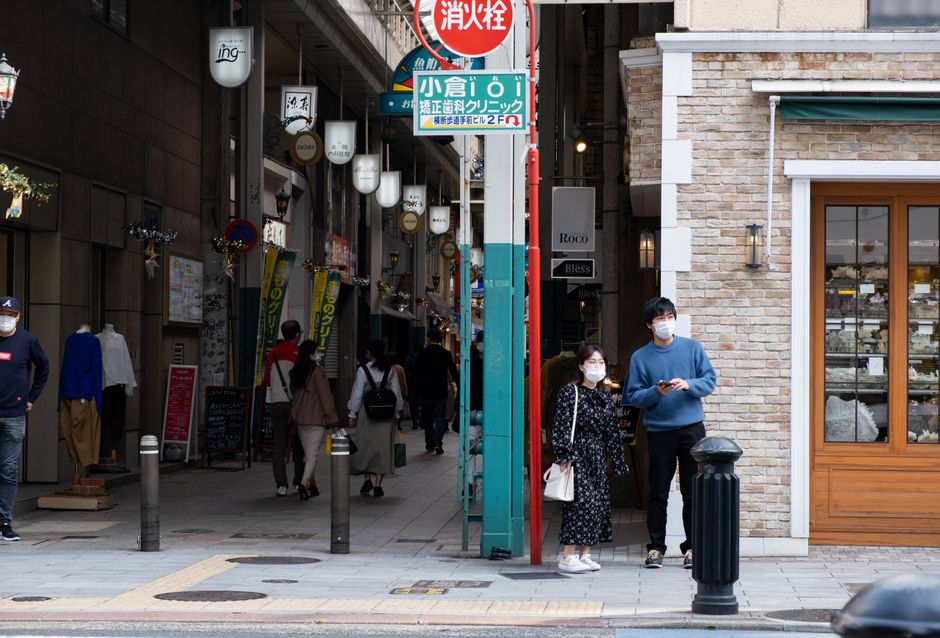
This section is short because the answer is simple: for most travelers, a hybrid jacket or high-quality synthetic is the best choice. Down is warm but fails in wet conditions. Synthetic handles moisture but packs bulkier. Here’s the breakdown.
| Type | Warmth-to-weight | Wet performance | Best for | Example |
|---|---|---|---|---|
| Down (600-800 fill) | Excellent | Poor — loses loft when damp | Dry cold (Tokyo, Nagoya) | Uniqlo Ultra Light Down |
| Synthetic (Primaloft, Thinsulate) | Good | Excellent — insulates wet | Wet snow (Hokkaido, mountains) | Montbell Alpine Light Parka |
| Hybrid (down + synthetic panels) | Very good | Good — synthetic in key areas | Variable conditions (Kyoto, Osaka) | The North Face Thermoball Eco |
| Wool/Cashmere blend | Moderate | Good — natural moisture resistance | City wear, mild cold (Tokyo above 5°C) | Muji Cashmere Blend Coat |
My pick for a single jacket that covers 90% of Japan’s winter: Montbell Alpine Light Parka ($220, 11oz, Primaloft Gold). It’s synthetic, so it works in damp Kyoto and snowy Sapporo. It packs down to the size of a water bottle. I wore it for three months straight. It’s not the warmest jacket on this list, but it’s the most versatile. If you’re only bringing one, get this.
Uniqlo Ultra Light Down vs. Montbell Plasma 1000 — The Budget vs. Performance Fight
These two jackets dominate the conversation. They shouldn’t be compared head-to-head because they serve different people. Let me kill the confusion.
Uniqlo Ultra Light Down ($70-$90)
This is the most popular jacket in Japan. You’ll see one on every subway car. It’s 600-fill down, weighs about 8oz, and packs into a tiny pouch. For $70, it’s a miracle of mass production. But here’s the catch: the shell is thin nylon with no windproofing. At 5°C with a 20km/h wind, you feel cold. I wore one my first winter and regretted it on windy days. It’s fine as a mid-layer under a shell. It’s not a standalone winter jacket for most of Japan.
Montbell Plasma 1000 ($399)
This is the lightest down jacket on the market. 1000-fill down, 5.3oz total weight. It packs smaller than a soda can. The warmth-to-weight ratio is absurd — it’s warmer than the Uniqlo despite being lighter. But it’s expensive and fragile. The shell is 7-denier fabric, which means a sharp zipper pull can tear it. I own one. I only wear it in dry, calm conditions. If you’re backpacking and need ultralight warmth, get this. If you’re a normal tourist walking around Tokyo, save your money.
Verdict: For 90% of travelers, neither is the best choice. Get the Montbell Alpine Light Parka instead. But if you must pick between these two: Uniqlo for budget, Montbell Plasma for ultralight performance.
Three Mistakes That Ruin Your Jacket Purchase in Japan
I made all three. You don’t have to.
1. Buying a jacket that’s too warm. Japan’s indoor heating is aggressive. Trains, convenience stores, restaurants — they blast heat at 22-25°C. If you wear a heavy parka inside, you’ll sweat through your layers in 10 minutes. Then you step outside into 2°C and freeze because your base layer is wet. Solution: a mid-weight jacket (like the Montbell Alpine Light) plus a removable fleece liner. You can shed the liner indoors.
2. Ignoring the hood. Most jackets sold in Japan come with a hood. Western jackets often don’t. If your jacket lacks a hood, you’ll need a separate beanie. That’s fine for Tokyo, but in Hokkaido’s wind, a hood is non-negotiable. The Patagonia Nano Puff Hoody ($299) has a helmet-compatible hood that cinches tight. It’s overkill for most people, but if you’re skiing or biking, it’s perfect.
3. Forgetting the zipper quality. Japan uses YKK zippers on almost everything. But some budget jackets (especially from fast fashion brands) use cheap plastic zippers that jam after a month. Test the zipper in the store. If it catches or feels rough, don’t buy it. The Muji Light Down Jacket ($100) uses a YKK zipper that’s smooth. It’s a small detail that matters when you’re rushing to catch a train.
When NOT to Buy a Down Jacket — and What to Get Instead
Down is great. But there are three situations where it’s the wrong choice.
Situation 1: You’re visiting in December-February and plan to go to Hokkaido. Down loses insulation when wet. Hokkaido’s snow is wet and heavy. You’ll be outside for hours. Your down jacket will get damp from snow melting on the surface, and by hour three, you’ll be cold. Get a synthetic jacket like the Montbell Frost Smock ($170, Primaloft Silver, 12oz). It’s less warm when dry, but it stays warm when wet.
Situation 2: You sweat easily or run hot. Down traps heat. If you’re walking 15,000 steps a day (normal for Tokyo sightseeing), you’ll overheat. A Patagonia R1 Air Hoody ($179) as a mid-layer with a wind shell gives you temperature control. You can unzip the shell when you’re walking, zip up when you stop.
Situation 3: You’re on a tight budget under $100. Cheap down jackets use low-fill down (under 600) and thin shells. They don’t last. Instead, get a Uniqlo BlockTech Parka ($60). It’s not insulated — it’s a windproof and water-resistant shell. Layer it over a $20 Uniqlo fleece. Total cost: $80. Warmth: comparable to a $150 down jacket. Weight: 1.2 lbs. I used this combo for a week in Tokyo at 3°C and was comfortable.
The Best Jacket for Each Major Japan Destination
One jacket doesn’t fit all. Here’s my recommendation for specific cities.
- Tokyo (0-8°C, windy, dry): Montbell Alpine Light Parka ($220). Windproof enough for the gusts. Light enough to carry when you’re indoors. I wore this for three weeks straight. No complaints.
- Kyoto/Osaka (2-8°C, damp): The North Face Thermoball Eco Triclimate ($350). The outer shell is waterproof. The inner Thermoball jacket is synthetic. You can wear them together or separately. The damp cold in Kyoto is brutal — this combo handles it.
- Sapporo (-5 to -15°C, heavy snow): Montbell Frost Smock ($170) + Uniqlo Heattech Ultra Warm base layer ($20). The Frost Smock is synthetic, so snow doesn’t kill it. The Heattech base layer adds 5°C of warmth. Total cost: $190. Total weight: 1.5 lbs. I wore this in Niseko at -12°C and was fine.
- Hiroshima/Fukuoka (3-10°C, mild): Muji Cashmere Blend Coat ($180). It’s not a technical jacket. It’s a wool-blend coat that looks good and handles 5-10°C. For casual city walking, it’s perfect. No need for high-tech insulation here.
If you’re visiting multiple cities, the Montbell Alpine Light Parka works everywhere. It’s not the best for Sapporo’s deep cold, but paired with a Heattech base layer, it’s acceptable. For Kyoto’s damp, it’s fine because the Primaloft Gold doesn’t absorb moisture.
What I’d Buy in 2026 If I Were Going Back Tomorrow
I’ve been thinking about this a lot. The jacket market in Japan is shifting. Montbell keeps improving their synthetic insulation. Uniqlo is adding more windproofing to their down jackets. But the real winner for 2026 is the Montbell Versalite Parka ($250, 6.5oz, 800-fill down with a waterproof breathable membrane). It’s a new hybrid that combines down’s warmth with a waterproof shell. I haven’t tested it yet, but the specs suggest it solves the wet-cold problem that down usually has. If you’re buying one jacket for a trip to Japan in 2026, I’d put money on this being the best option.
Don’t overthink it. Japan’s winter is manageable with the right gear. Pick one jacket from this list based on where you’re going and how you run temperature-wise. Layer underneath. Test the zipper. Ignore the fashion hype. Your comfort on a cold day in Kyoto is worth more than a brand logo.