You land at Suvarnabhumi Airport in Bangkok at 11 p.m. after a 20-hour flight. You have no hostel booked, no local SIM card, and you paid $60 for a taxi because you didn’t know the airport rail link costs $1.50. That’s mistake number one — and you haven’t even reached your hotel yet.
Solo backpacking in Southeast Asia is cheap and rewarding. But small errors in planning turn into expensive, exhausting problems. Here are the five most common mistakes first-timers make, and exactly how to avoid them.
1. Overpacking for a Tropical Climate
First-time backpackers bring jeans, hoodies, and three pairs of shoes. You don’t need any of that. Southeast Asia is hot and humid year-round. You will sweat through a shirt in 20 minutes walking to the market.
Pack 7-10 days worth of clothes maximum. Laundry services cost $1-3 per kilo almost everywhere. In Vietnam, you drop off a bag in the morning and pick it up folded by evening.
What to actually bring
- 3 quick-dry t-shirts (Uniqlo Airism or similar, $15 each)
- 2 pairs of shorts (one for swimming, one for walking)
- 1 pair of lightweight long pants (for temples and night markets)
- 1 light rain jacket (Decathlon MH100, $12)
- 1 pair of sandals (Havaianas, $20) and 1 pair of trail runners (Merrell Moab, $120)
- A 35-40L backpack (Osprey Farpoint 40, $180)
Leave jeans at home. They take 24 hours to dry in humidity and weigh 2 pounds wet. Nobody wears them in Thailand or Vietnam except locals working in air-conditioned offices.
2. Booking Hostels Without Reading Reviews for Noise and A/C
You see a dorm bed for $5 on Agoda and book it instantly. You arrive at 10 p.m. and discover the air conditioner turns off at midnight to save electricity. The room is 32°C (90°F) with 80% humidity. You don’t sleep.
This happens constantly. Hostels in Southeast Asia often list “air conditioning” but it runs on a timer from 8 p.m. to 6 a.m. or only cools the common area.
How to check before booking
- Filter reviews by “A/C” or “air conditioning” on Hostelworld or Agoda
- Look for mentions of “24-hour A/C” or “individual A/C unit”
- Avoid hostels that say “fan only” unless you’re in a mountain town like Dalat or Sapa
- Check noise complaints — hostels above bars in Bangkok’s Khao San Road are loud until 3 a.m.
Spend the extra $3-5 per night for a hostel with consistent A/C and quiet hours. Your sleep quality determines your entire next day.
3. Ignoring Local Transport Apps and Paying Tourist Prices
At Bangkok’s Grand Palace, tuk-tuk drivers quote 300 baht ($9) for a 10-minute ride. A Grab car costs 80 baht ($2.40). The difference is huge over a two-week trip.
| City | Best App | Typical Fare (3km) | Taxi Meter Fare (3km) |
|---|---|---|---|
| Bangkok | Grab | 80-120 THB ($2.40-3.60) | 60-80 THB ($1.80-2.40) |
| Ho Chi Minh City | Grab | 25,000-40,000 VND ($1-1.60) | 20,000 VND ($0.80) if meter is on — often not |
| Bali | Gojek | 15,000-25,000 IDR ($1-1.70) | 50,000+ IDR ($3.40+) |
| Manila | Angkas (motorcycle) | 100-150 PHP ($1.80-2.70) | 200+ PHP ($3.60+) |
Download Grab and Gojek before you arrive. They work with your home number initially, but get a local SIM (AIS in Thailand, Viettel in Vietnam) within 24 hours for better rates. Never get into a taxi or tuk-tuk without agreeing on the price first — or better, just use the app.
4. Booking Everything in Advance and Losing Flexibility
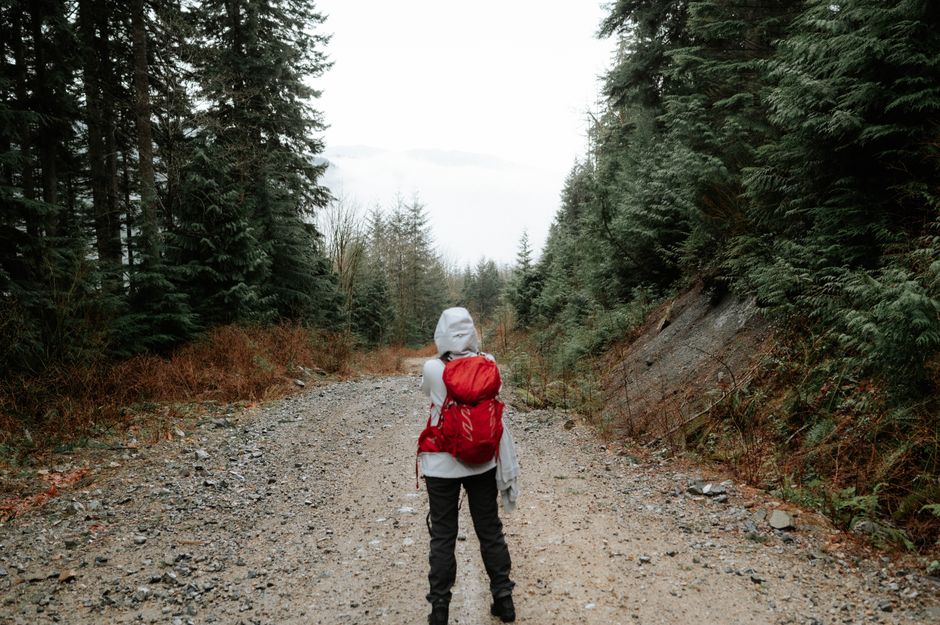
Some travelers book every hostel, bus, and flight three months before leaving. Then they meet people in Chiang Mai who are heading to Pai and can’t join because they already paid for a non-refundable bus to Bangkok.
Southeast Asia rewards flexibility. The best experiences happen when you follow recommendations from people you meet. Overnight buses and ferries rarely sell out except during peak season (December-January and Songkran in April).
What to book ahead vs. book on the spot
Book ahead: First night’s accommodation (so you have somewhere to go after landing), any flights between countries (cheaper 2-3 weeks out), and popular homestays in places like El Nido or the Gili Islands during high season.
Book on the spot: Hostels (use the Hostelworld app 1-2 days before), bus tickets (buy at the station or through 12Go.asia 1 day before), and day tours (book through your hostel for 20-30% less than online).
Keep a 2-3 day buffer in your itinerary for unplanned stops. The islands in southern Thailand, the rice terraces in Sapa, and the caves in Vang Vieng are worth extra time.
5. Not Getting a Local SIM Card Immediately
You land at 2 a.m. and decide to “figure out SIM cards tomorrow.” Then you can’t check Grab prices, can’t message your hostel, and can’t navigate the bus system. You end up paying $10 for a taxi that should cost $2, and spend an hour lost looking for your guesthouse.
Get a local SIM card at the airport. It costs $6-10 for 30 days with 30-50GB of data. That’s enough for Google Maps, Grab, WhatsApp, and Instagram.
| Country | Best Provider | Price (30 days) | Data |
|---|---|---|---|
| Thailand | AIS | 300 THB ($9) | 30GB |
| Vietnam | Viettel | 200,000 VND ($8) | 40GB |
| Indonesia | Telkomsel | 150,000 IDR ($10) | 50GB |
| Philippines | Globe | 500 PHP ($9) | 30GB |
Don’t rely on airport Wi-Fi. It’s slow, insecure, and cuts off after 30 minutes. A local SIM is the single best $9 you’ll spend on your trip. Activate it before leaving the arrivals hall.
Your First 24 Hours in Southeast Asia — A Simple Plan
Here’s exactly what to do when you land to avoid every mistake above:
- Buy a local SIM at the airport kiosk (AIS in Thailand, Viettel in Vietnam).
- Open Grab or Gojek and book a ride to your hostel. Do not take a taxi from the queue.
- Check in, drop your bag, and walk to a 7-Eleven for water and snacks.
- Message your hostel on WhatsApp to confirm check-in time if you arrive late.
- Don’t book anything beyond the first two nights. See what happens.
That’s it. Five steps, 30 minutes, and you’re set for a smooth trip.