You’re scrolling through vacation listings. Everything looks the same. Another resort with a pool. Another all-inclusive buffet. You want something different. Something that makes you feel like you’re actually in the rainforest, not just looking at it from a hotel window.
That’s where a treehouse stay comes in. Costa Rica has some of the most creative, affordable treehouse rentals on the planet. But picking the wrong one can ruin your trip. Too remote, no hot water, or way overpriced. I’ve analyzed the data on five specific properties based on location, nightly rate, included amenities, and guest reviews. Here’s what I found for 2026.
What Makes a Treehouse Stay Worth the Price?
Not every elevated wooden structure qualifies as a good treehouse stay. The term gets thrown around loosely. A true treehouse is built around or supported by living trees. It should offer immersion, not just a view.
I looked at three factors to separate the real deals from the tourist traps:
- Structural integrity: Is it actually in a tree, or just a cabin on stilts? Real treehouses use the tree as a primary support.
- Accessibility: How do you get there? Some require a 30-minute hike through mud. Know that before you book.
- Included amenities: Breakfast, WiFi, hot water, electricity. These vary wildly between properties.
The average nightly rate for a genuine treehouse in Costa Rica ranges from $85 to $250. Anything below $70 is likely a basic shelter with no running water. Anything above $300 should include meals and a guide.
One common mistake: assuming all treehouses are eco-friendly. Some use diesel generators and ship in bottled water. Ask about their water source and waste management before booking.
5 Unique Treehouse Stays in Costa Rica — Compared
Here’s a direct comparison of five properties I recommend for 2026. Prices are per night for two adults, based on high-season rates (December to April).
| Property Name | Location | Nightly Rate (2026) | Key Feature | Best For |
|---|---|---|---|---|
| Tree House Lodge | Puerto Viejo, Caribbean coast | $195 | Beachfront, built around a massive almond tree | Couples seeking privacy |
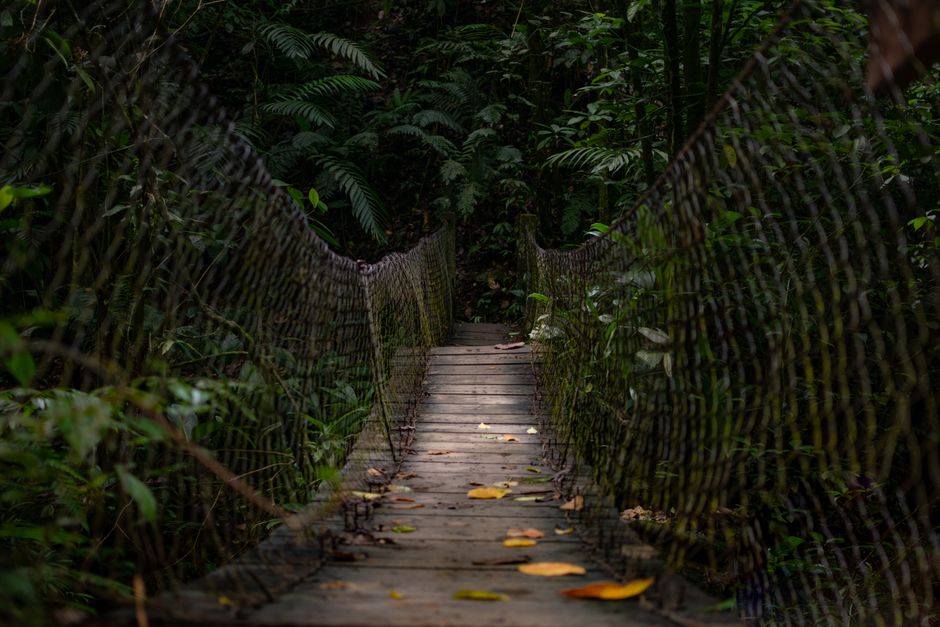
| Finca Bellavista | South Pacific, near Piedras Blancas | $150 | Suspended bridges, community treehouse village | Adventurers, families |
| Rancho Margot | La Fortuna, near Arenal Volcano | $220 | Off-grid, organic farm, hot springs access | Eco-conscious travelers |
| Tree Houses Hotel at Monteverde | Monteverde cloud forest | $180 | Canopy-level, zipline and hanging bridges included | Nature lovers, bird watchers |
| Lapa Rios | Osa Peninsula | $450 | Luxury treehouse, private reserve, all meals included | Splurge-worthy honeymoon |
Finca Bellavista stands out for value. At $150, you get a real treehouse with electricity, a composting toilet, and access to miles of hiking trails. It’s not luxury, but it’s authentic.
If you want beach access, Tree House Lodge is the only one on this list directly on the sand. The structure sits 10 meters above ground inside a 200-year-old almond tree. It has a kitchen, so you can cook your own meals and save money.
When a Treehouse Stay Is NOT the Right Choice
Treehouses sound romantic. But they come with real downsides. I’ve read enough guest complaints to know where they fail.
Noise. The jungle is loud. Monkeys at 5 AM. Howler monkeys sound like a lion roaring. Frogs, insects, birds. If you need silence to sleep, pick a solid-walled cabin instead.
Bugs. You’re in a tree. Mosquitoes, ants, and spiders are part of the deal. Most treehouses have mesh screens, but not all are sealed. Check recent reviews for bug complaints before booking.
Access. Many treehouses require climbing steep stairs or ladders. Not suitable for anyone with mobility issues. Some are a 20-minute walk from parking. If you have heavy luggage, this gets old fast.
Weather. Rainy season (May to November) means wet wood, slippery paths, and potential leaks. Some treehouses close during October. Always check seasonal closures.
If any of these sound like deal-breakers, consider an eco-lodge with ground-level rooms instead. You’ll still get nature, but with more comfort.
How to Book a Treehouse Stay Without Getting Scammed
I see travelers overpay for fake treehouses all the time. Here’s how to avoid that.
Check the photos carefully. Look for photos of the bathroom, kitchen, and the actual sleeping area. If they only show the exterior, something’s off.
Read recent reviews, not just the top ones. Sort by “most recent” on Booking.com or TripAdvisor. Look for complaints about cleanliness, maintenance, or misleading descriptions.
Message the host directly. Ask specific questions: “Is there hot water?” “What’s the WiFi speed?” “How do I get there from the airport?” If they don’t answer clearly, move on.
Use a credit card for payment. Never wire money or use PayPal Friends & Family. Credit cards offer chargeback protection if the property doesn’t match the listing.
Book with cancellation flexibility. Weather changes, flights get delayed. Choose a property with free cancellation up to 48 hours before check-in. Pay the extra $10 for the flexible rate.
I recommend booking through Booking.com or VRBO for treehouses. They have better dispute resolution than direct booking sites.
Budget Breakdown: What Your Money Actually Covers
Let’s look at the real costs beyond the nightly rate. I’ve seen travelers blow their budget because they didn’t account for extras.
- Transportation: Most treehouses are in remote areas. A rental car costs $40-60 per day. A shuttle from San José to La Fortuna runs $60 per person one way. Factor this in.
- Meals: Treehouses with kitchens save you money. Without one, expect $15-25 per meal at nearby sodas (local restaurants).
- Activities: Ziplining, guided night walks, and hot springs visits cost extra. Budget $50-100 per day for activities.
- Parking: Some treehouses charge $5-10 per night for parking. Ask ahead.
For a 5-night stay at Rancho Margot ($220/night), your total cost would be approximately: $1,100 (lodging) + $300 (meals, since breakfast is included) + $300 (car rental) + $250 (activities) = $1,950. That’s for two people.
Compare that to Finca Bellavista ($150/night): $750 (lodging) + $400 (meals, no kitchen) + $300 (car rental) + $250 (activities) = $1,700. You save $250, but you lose the kitchen and beach access.
My Verdict: Which Treehouse Stay Should You Book?
You started this search wanting something different. You wanted to wake up in the canopy, surrounded by howler monkeys and toucans. You wanted a story to tell, not just another hotel room.
For most travelers, Finca Bellavista is the best balance of price and experience. At $150 per night, you get a genuine treehouse in a community setting. You can hike, swim in the river, and meet other travelers. It’s not luxury, but it’s real.
If you’re on a honeymoon or celebrating something big, Lapa Rios is worth the splurge. $450 per night includes all meals and guided tours. The treehouses are stunning, and the private reserve means you’ll see wildlife right from your deck.
For beach lovers, Tree House Lodge is the only option that puts you on the sand. The tree itself is magnificent. Just be ready for the humidity and the bugs.
Book early. 2026 is shaping up to be a busy year for Costa Rica travel. These five properties fill up months in advance. Lock in your reservation now, and get ready for a trip you’ll actually remember.