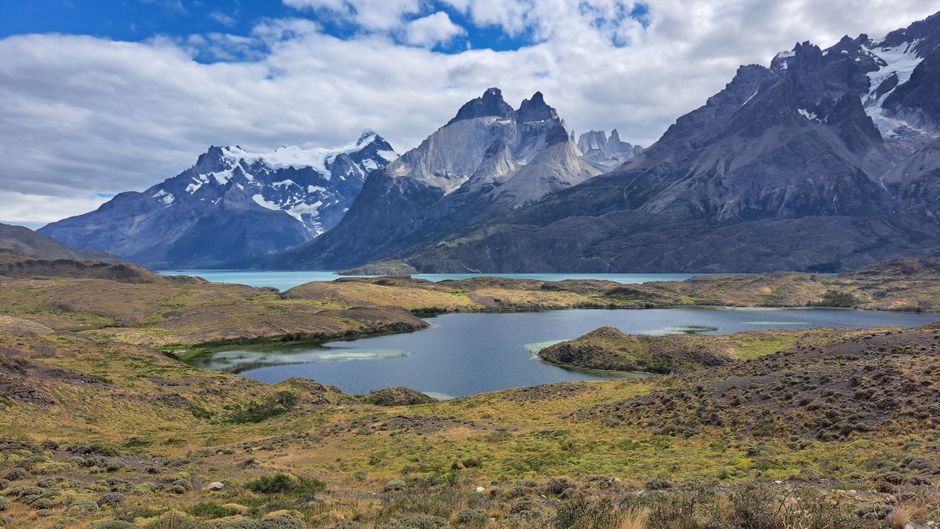
Most people think winter in Patagonia means you need a heavy parka. I thought the same thing before my first trip. Then I spent 14 days hiking Torres del Paine and the Carretera Austral in July, and my giant down coat sat in the bottom of my backpack for the entire trip. The real trick isn’t warmth — it’s moisture management. You’ll sweat hiking up a hill at 8 AM, then freeze when the wind hits you at the top. Here’s what I actually brought and used.
Why the “Three-Layer System” Is Non-Negotiable
Patagonia winter weather swings from 5°C (41°F) to -8°C (17°F) in a single day. Add 80 km/h gusts, and you’ll understand why a single thick jacket fails. The three-layer system — base, mid, shell — lets you adapt fast. I wore my shell over a thin merino base on sunny afternoons, and added a fleece mid-layer when clouds rolled in.
Here’s the specific breakdown I used:
| Layer | Product | Weight | Why |
|---|---|---|---|
| Base (top) | Smartwool Merino 250 Crew | 250 g/m² | Warm even wet, doesn’t stink after 4 days |
| Base (bottom) | Patagonia Capilene Midweight Bottoms | 200 g/m² | Dries faster than merino, better for active days |
| Mid | Arc’teryx Covert Fleece Hoody | 300 g | Polartec fabric breathes, packs small |
| Shell | Arc’teryx Beta AR Jacket | 475 g | Gore-Tex Pro, fully waterproof, pit zips for venting |
Don’t buy a $600 shell if you’re only doing day hikes. The Marmot PreCip Eco ($120) works fine for most people. But if you’re camping or facing real Patagonian storms, the Beta AR is worth every penny.
Footwear: Two Pairs, One Rule
I brought three pairs of shoes my first trip. Wore two of them exactly zero times. Here’s what I actually used:
Hiking boots: La Sportiva Nucleo High II GTX ($230). These are leather and Gore-Tex, so they’re waterproof but still breathable. I wore them 12 out of 14 days. The Vibram sole handled mud, snow, and loose scree on the French Valley trail. One mistake I made: I didn’t treat the leather before the trip. After a week of rain, the leather started absorbing water. Apply Nikwax Waterproofing Wax before you leave.
Camp shoes: Bedrock Cairn 3D Adventure Sandals ($120). I know — sandals in winter sounds insane. But after 10 hours in boots, your feet need to breathe. These have a grippy Vibram sole and I wore them around refugios and on short evening walks. They dry instantly. Don’t bring Crocs. They’re too slippery on wet rocks.
One pair of socks per day is a lie. I brought 5 pairs of Darn Tough Vermont Micro Crew Cushion socks ($25 each). Washed one pair every 3 days in a sink. They dry in 4 hours on a radiator. Merino blend means they don’t smell. I never ran out. Don’t bring cotton socks — they cause blisters when wet.
What Most People Forget: Hands, Head, and Neck
Your core can be warm but if your fingers are numb, the hike sucks. Here’s what I learned after freezing my hands on day one.
Gloves: Two Pairs, Not One
I brought the Outdoor Research Alti II Gloves ($140) for summit days. They’re Gore-Tex with removable liners. But I only wore them twice. For 90% of the trip, I used the Smartwool Liner Gloves ($30). They’re thin merino, touchscreen-compatible, and I could take photos without removing them. For $30, they’re the best value in my entire pack. If you’re on a budget, buy these and skip the heavy gloves.
Neck Gaiter Beats a Scarf
A Buff Merino Wool Gaiter ($28). Wore it every single day. Pulled it up over my face when wind hit, dropped it down when I was climbing. A scarf slips off. A gaiter stays. That’s it.
Hat: One Beanie, No Earflaps
The Patagonia Brodeo Beanie ($35). It’s thick enough for -5°C but not so bulky it won’t fit under a hood. The fleece band inside stops wool itch. Don’t buy a cheap acrylic beanie — it won’t block wind and you’ll feel every gust.
Packing for Refugios vs. Camping
I did both. Refugios (mountain huts) provide bedding, meals, and a stove. You need less gear. Camping means carrying everything. Here’s the exact difference:
For refugios: Skip the sleeping bag. Bring a Sea to Summit Silk Liner ($55) to put over the provided bedding. It adds 100g and stops you from thinking about who slept in that sheet last. Also bring a lightweight pillow case — the refugio pillows are lumpy plastic rectangles.
For camping: My sleeping bag was the Mountain Hardwear Phantom 15 ($450). It’s 1.2 kg and rated to -9°C. I slept in my merino base layer and was warm. The mistake people make: they buy a -20°C bag for winter. That’s overkill. You’ll sweat, then freeze when you unzip. The Phantom 15 paired with a Therm-a-Rest NeoAir XTherm pad ($200, R-value 6.9) was perfect.
If you’re only doing refugios, save $400 and skip the sleeping bag and pad. If you’re camping, don’t cheap out on the pad — cold from the ground will ruin your sleep faster than a mediocre bag.
Toiletries and First Aid: The Minimalist Version
I see people with full toiletry bags in Patagonia. You don’t need a hair dryer. You need three things:
- Dr. Bronner’s 18-in-1 Castile Soap ($16 for a travel bottle) — washes your body, your clothes, your dishes. One bottle, everything.
- Sunscreen SPF 50 — the sun at 50°S latitude is brutal even in winter. Snow reflection burns your face. I used Supergoop Play SPF 50 ($20). Don’t skip this.
- Lip balm with SPF 30 — cracked lips were my biggest annoyance until I started using Jack Black Intense Therapy Lip Balm ($8).
For first aid, I packed one thing that saved me: Compeed Blister Plasters ($10 for a pack of 6). I got a hot spot on day 3. Slapped one on, hiked 8 more hours with zero pain. Normal bandages rub off. These stay on for days.
Don’t bring a full first aid kit. Bring ibuprofen, Compeed, and a few Band-Aids. Everything else you can buy in Puerto Natales.
Gear I Left Behind (and Why You Should Too)
I made mistakes so you don’t have to. Here’s what I packed on my first trip and never used:
- Camp towel — refugios have towels. Camping? You’re not showering. A buff doubles as a drying cloth.
- Multiple pairs of pants — I wore one pair of Arc’teryx Gamma LT pants ($200) every day. They’re softshell, water-resistant, and stretchy. I washed them once in a sink. That’s it.
- Heavy down parka — unless you’re standing still at sunset for photography, you don’t need it. The shell + fleece + base combo kept me warm on the Grey Glacier boat tour.
- Water filter — the tap water in Patagonia is drinkable everywhere. Stream water in Torres del Paine is clean. A 600ml Nalgene bottle was all I used.
The one thing I wish I brought? A headlamp. The sun sets at 5 PM in winter. I used my phone flashlight for two weeks and it was terrible. Buy the Black Diamond Spot 400 ($40) — it’s 400 lumens, lasts 200 hours on low, and weighs 80g.
The Verdict: Pack for Movement, Not for Cold
Here’s my exact final packing list, compressed into one paragraph: 2 merino base tops, 1 merino base bottom, 1 fleece mid, 1 Gore-Tex shell, 1 pair hiking boots, 1 pair camp sandals, 5 pairs merino socks, 2 pairs underwear (Smartwool or ExOfficio), 1 pair softshell pants, 1 beanie, 1 buff, 1 pair liner gloves, 1 headlamp, 1 silk sleeping bag liner (refugios) or 1 sleeping bag + pad (camping), Dr. Bronner’s soap, SPF 50 sunscreen, lip balm, Compeed plasters, ibuprofen, and a Nalgene bottle.
Total pack weight: 8.5 kg for refugio travel, 12 kg for camping. No checked bag needed. Everything fits in a 45-liter backpack. If you bring more than that, you’ll be carrying dead weight up a mountain. Don’t be that person.