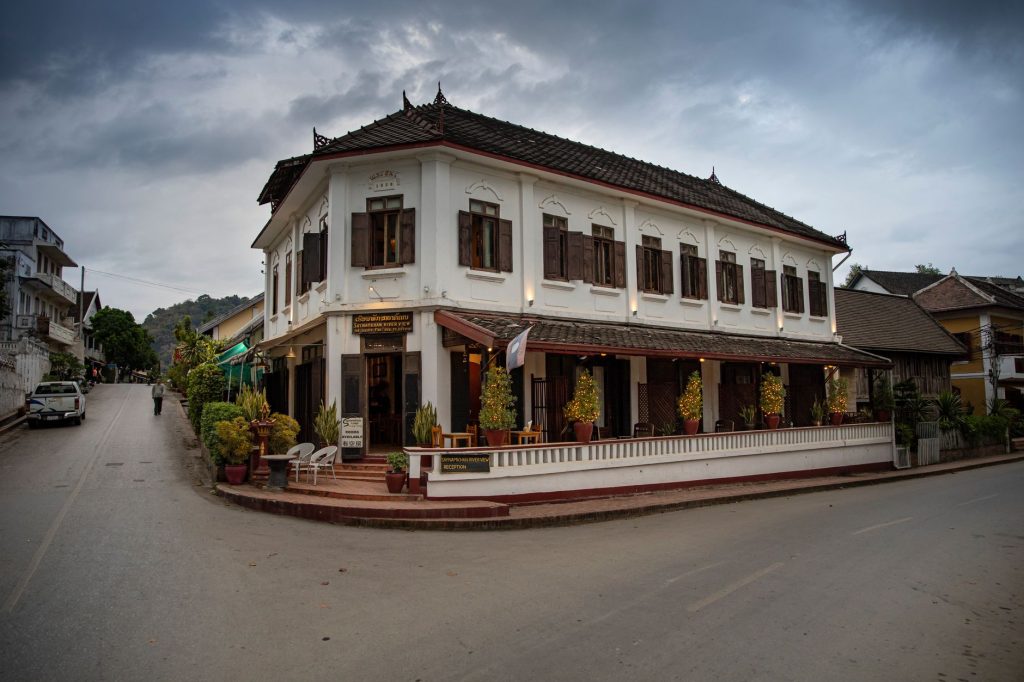
A quiet morning in Luang Prabang starts with a decision made before you unpack: which way your room faces. A guesthouse can look peaceful in photographs while its front rooms overlook an early pickup point, a breakfast terrace or a lane used by motorbikes. Equally, a room tucked behind the building may offer the slower start you want, even when the entrance sits on a busy street.
I would choose here by working from the room outwards, rather than treating a neighbourhood description as a promise. Ask about the exact room, the activity around it and how you will reach it. Then arrange your own morning so that your search for peace does not disturb the people who live, work and worship nearby.
Decide what a quiet morning means to you
There is a difference between wanting to sleep late and wanting to wake early without traffic outside your window. If you hope to read over coffee at dawn, a little household activity may feel perfectly comfortable. If you need uninterrupted sleep, footsteps above your ceiling or breakfast preparation beside your door could matter more than the street itself.
Before comparing guesthouses, write down your main concern. Is it engine noise, voices, light coming through thin curtains, or people passing close to the window? Give the host that concrete detail. “I am a light sleeper and would prefer a room away from vehicle pickups” is easier to answer than “Is your property quiet?”
Read the street as a working place
Luang Prabang’s historic peninsula, between the Mekong and Nam Khan rivers, attracts visitors for its temples and walkable streets. That setting is also a place where daily routines begin early. A picturesque street is not necessarily a sleeping street, and a riverside address does not guarantee silence.
Look for clues in the guesthouse’s own photographs and description. Does the front door open straight onto a road? Are there tables under the bedrooms? Is the entrance shared with a café, tour desk or another business? These features need not rule a place out, but they should shape your questions.
A small lane can reduce through traffic while still carrying conversations, deliveries and motorbike movements close to the building. A larger road may put more distance between your window and passers-by, yet bring more engines. Avoid assuming that narrow always means peaceful. Ask what normally happens outside between dawn and breakfast.
Ask for a room position, not just a room type
“Double room with balcony” tells you little about what you will hear. The balcony might face a restful garden or sit above the main entrance. A rear room may be quieter, but it could also back onto a kitchen, neighbouring courtyard or equipment that runs overnight.
Send a short request before booking, especially if the room description combines several possible locations. Useful questions include:
- Does this room face the street, an internal courtyard or the rear of the property?
- Is it close to reception, the stairs, a shared terrace or the breakfast preparation area?
- Is there a room above it, and are footsteps usually audible?
- Can the windows close fully, and does the room have suitable ventilation when they are closed?
- Can you confirm the requested room position, or is it allocated on arrival?
The final question matters. A preference noted on a reservation is different from a confirmed room. If the host cannot guarantee the position, decide whether the other available rooms would still suit you. Keep the answer with your booking details so you can refer to it politely at check-in.
Balance the upper floor against everyday access
An upper room can put your window farther from conversations at the entrance, but it is not automatically the quietest choice. Sound can travel through open stairwells, and a room beside a shared balcony may hear every early departure. Meanwhile, a ground-floor room at the back might have less passing activity.
Consider the practical trade-off, too. Check whether you will need to carry luggage up stairs, whether the route is well lit and whether there is help when you arrive. If steps are difficult for you, explain that directly. A suitable room on an accessible route is more useful than an upstairs room chosen on a vague promise of peace.
Ask about curtains if morning light affects your sleep. Also check the cooling arrangement: sleeping with an open window changes how much street activity you hear. Do not assume that attractive shutters provide either sound insulation or the level of privacy you need.
Make host access part of the booking
A small guesthouse may not have someone sitting at reception throughout the night. Confirm how check-in works at your expected arrival time, who you should contact if delayed and how you enter after the front door closes. Save those instructions before travelling, rather than relying on finding a host while standing outside with luggage.
For an early departure, arrange the bill and key return the previous evening. Ask whether you can leave without ringing a bell or waking someone, and whether the exit gate will be unlocked. If breakfast is included, establish its starting time. An early meal or something to take away is a request to discuss, not an arrangement to assume.
Agree on a pickup point that actually works
A map pin can identify a property without showing where a vehicle can sensibly stop. Ask the host where your driver should meet you and whether you will need to walk the final stretch. If there are steps, an uneven surface or a lane unsuitable for the vehicle, knowing beforehand helps you pack and plan.
For a morning pickup, agree on a recognisable meeting point and tell the driver you will be waiting there. Ask them to contact you instead of sounding the horn outside the rooms. Leave enough time to reach the meeting point calmly, particularly with luggage. A short walk can help keep engines and conversation away from sleeping guests, provided the route suits your mobility and feels comfortable.
Keep your morning respectful
Early morning in Luang Prabang can include religious observances, including almsgiving. These are not a backdrop arranged for visitors. If your route takes you near an observance, keep your distance, remain quiet and follow local guidance. Do not block the route, use flash or step close for a photograph. If you want to participate, seek guidance beforehand about appropriate conduct and offerings.
You can enjoy an early walk without organising it around an observance. Move away if a gathering feels crowded, and avoid lingering at residential doorways. Dress appropriately near temples and check the expectations before entering. Back at the guesthouse, carry your bag rather than dragging it along the corridor, lower your voice on shared terraces and use headphones for calls or videos.
Check the room before settling in
On arrival, pause in the room and listen. Find the stairs, shared seating and breakfast area in relation to your door. Check that the window closes, the curtain covers it and the cooling works as described. If something conflicts with your agreed request, raise it while a room change may still be possible.
No host can control every neighbour, passing vehicle or fellow guest. What you can look for is a clear account of the room and straightforward arrangements for coming and going. Once those are settled, prepare your clothes, bag and meeting details the night before. Your morning can then begin with a quiet exit or an unhurried cup of coffee, rather than a search for keys and someone to open the gate.