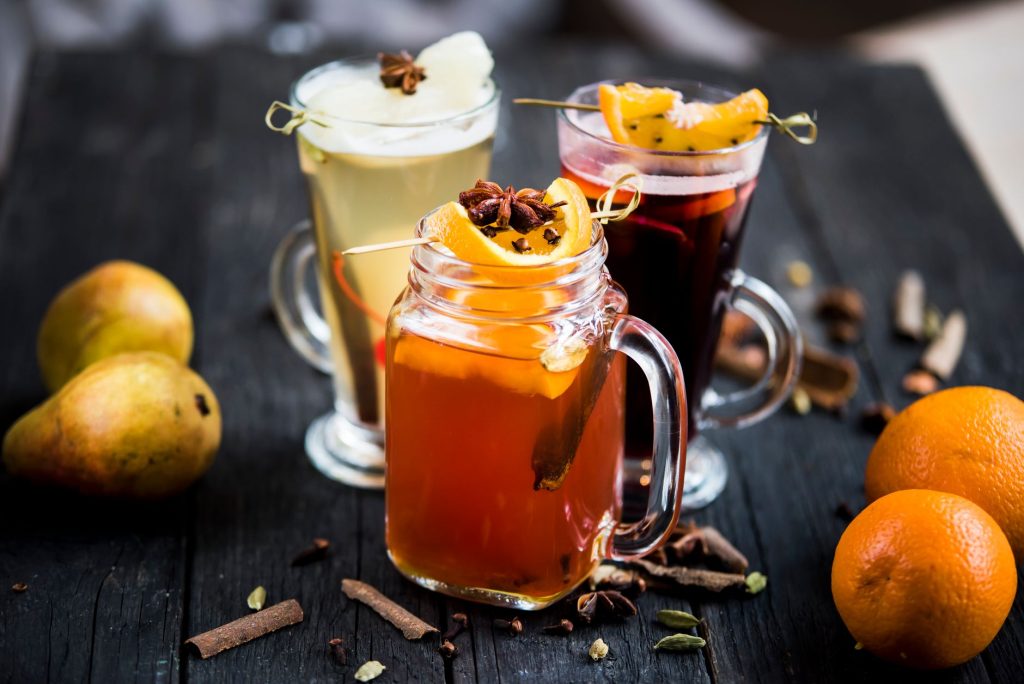
A warm pear and ginger drink is a useful change from another cup of tea when the evening turns cold. Pear brings a soft, rounded sweetness; fresh ginger gives it a little heat. A squeeze of lemon keeps the combination lively, so the finished drink tastes like fruit and spice rather than warm syrup.
I like to make this in a small saucepan, enough for two modest mugs. The method matters more than a long ingredient list: simmer the ginger in water first, add the pear juice afterwards, then adjust the acidity at the end. You get time to draw flavour from the root without boiling away the delicate pear character.
What you need for a small batch
This makes roughly 550–600 ml before straining, depending on how much water evaporates. Divide it between two mugs, leaving room to hold each one comfortably. The drink is alcohol-free as written and needs no specialist equipment.
- 400 ml pear juice or pear nectar
- 200 ml water
- 15 g fresh ginger, sliced thinly
- 2 teaspoons lemon juice, plus more to taste
- 1–2 teaspoons honey or sugar, only if needed
- A thin slice of pear or a strip of lemon peel, optional, to serve
Have a small saucepan, a fine sieve, a measuring jug and two heatproof mugs ready. A lid is helpful during the ginger simmer, but leave it slightly ajar. If you do not have scales, start with a piece of ginger about the length of your thumb’s top joint, then judge the strength by tasting. Ginger varies, so that is only a starting point.
Choose the juice before adding sweetness
Pear juice and pear nectar can behave differently in the pan. Juice may be relatively light and clear, while nectar often contains purée and has a thicker texture. Read the label to see whether your carton contains added sugar or other fruit juices. An apple and pear blend works, but the result will have some of apple’s sharper flavour.
For this recipe, either clear or cloudy pear juice is fine. Shake cloudy juice before measuring it, since pulp can settle. If you have thick nectar, use 350 ml nectar and 250 ml water instead of the quantities above. That gives you a lighter starting point; you can always add another splash of nectar after tasting.
Do not add honey automatically. Warm pear can taste quite sweet already, especially once you have reduced the water a little. Set the sweetener beside the hob and make the decision after the lemon goes in.
Simmer the ginger first
- Wash the ginger well. Scrape off any dry or rough patches, or peel it if you prefer. Cut it across the fibres into thin slices; there is no need to grate it.
- Put the ginger and 200 ml water in the saucepan. Bring to a gentle simmer, then lower the heat. Cover with the lid slightly ajar and simmer for 8 minutes.
- Carefully spoon out a little liquid, let it cool, then taste. It should have a clear ginger flavour with a warming finish. For more strength, simmer for another 2–4 minutes. If the water has reduced substantially, add a splash to keep the slices submerged.
- Pour in the pear juice. Warm over a low heat for 3–5 minutes, stirring occasionally, until steaming. Avoid a rolling boil.
- Take the pan off the heat. Stir in 2 teaspoons lemon juice, strain, and taste a cooled spoonful before making any final adjustments.
Starting with water gives the ginger a chance to release its flavour before the pear enters the pan. Thin slices are easy to remove and make a cleaner drink than grated ginger, which can leave fine fibres behind. If you want a stronger batch next time, extend the water simmer slightly before increasing the amount of ginger.
Once the pear juice is added, the aim is simply to warm everything through. A hard boil encourages evaporation and can make the drink more concentrated than you intended. Keep the heat gentle and watch for steam and tiny bubbles around the edge.
Balance the acidity a little at a time
Lemon is the small addition that makes this drink work. Without it, pear juice can seem rather flat when hot. Too much, though, pushes the pear into the background and leaves you with something closer to a ginger and lemon drink.
After the first 2 teaspoons, add more lemon juice in half-teaspoon steps. Stir, cool a spoonful and taste between additions. You are looking for a fresh finish, not an obvious sour bite. If your juice already contains lemon juice or another acidic ingredient, you may need less.
If the balance is sharp but otherwise pleasant, dissolve half a teaspoon of honey or sugar in the warm liquid and taste again. If it feels heavy and sweet, try a little lemon first. When both sweetness and ginger seem too strong, add a tablespoon or two of hot water rather than chasing the problem with more ingredients.
Strain for the texture you want
Set a fine sieve over a heatproof measuring jug and pour slowly. This removes the ginger slices and any loose peel. Let the liquid drain naturally; pressing the slices is unnecessary and can push small pieces through the mesh.
A sieve will not turn cloudy pear nectar into clear juice. Some fruit pulp will pass through, which is perfectly fine if you like a fuller texture. For a smoother result, line the sieve with clean muslin and allow a little extra draining time. Avoid squeezing the cloth while it holds hot liquid.
If straining has cooled the drink too much, return it to the rinsed saucepan and warm gently. Make the final taste check after straining so you know exactly what will go into the mugs.
Serve warm and keep the garnish simple
Warm the mugs with hot water, empty them, then divide the drink between them. Let it stand until comfortable to sip. A thin pear slice makes a pleasant garnish, but add it just before serving so it stays fresh-looking. A small strip of lemon peel gives a brighter aroma; avoid taking much of the bitter white pith.
For a quiet evening, I would serve this alongside toast, plain biscuits or a small bowl of nuts. It is also an easy drink to make in a holiday apartment with a saucepan and basic utensils. Measuring the juice with a mug is workable, provided you keep roughly two parts juice to one part water and adjust the ginger carefully.
Small changes and leftovers
Try the plain version before adding spices. On another evening, a small piece of cinnamon stick can simmer with the ginger, then come out during straining. Keep it modest so the pear remains noticeable. A strip of orange peel added while the juice warms is another option, especially if you prefer a softer citrus aroma.
If there is any left, strain out the ginger before storing it; leaving the slices in can make the next serving stronger. Cool promptly, transfer to a clean covered container and refrigerate. Use within two days, reheating only the portion you want until steaming, then letting it cool to sipping temperature. Stir before pouring because pear pulp may settle.
The most useful habit is to taste at three points: after the ginger simmer, after adding lemon, and just before serving. Those small checks let you accommodate a sweeter carton of juice or a fiercer piece of ginger. Once you find your preferred balance, this becomes a straightforward little saucepan ritual for cold evenings.