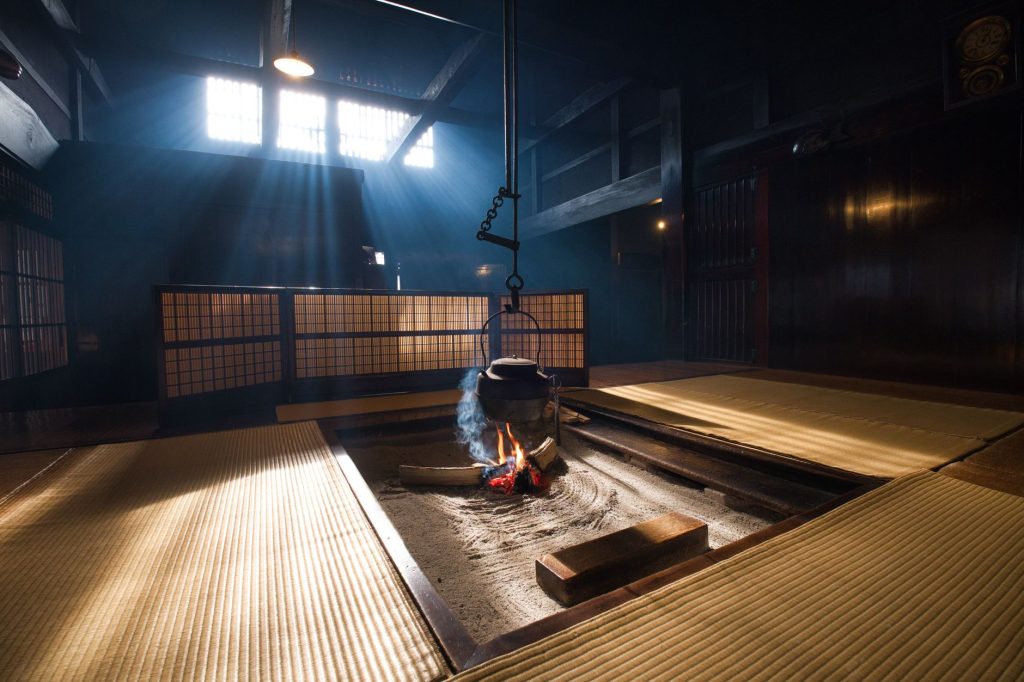
A room in a Japanese minshuku can put you close to the rhythms of a household: dinner at a set time, slippers waiting by the entrance and a bath prepared for the evening. These small, often family-run lodgings can be a welcoming option for a regional trip, but a shared bathroom deserves a little planning. The useful question is not simply whether a property has one. You need to know what is shared, when you can use it and how the host expects you to leave it.
Arrangements vary between houses. A bath might be used by one person or travelling party at a time, or it might be a communal bathing area. Toilets and washbasins may be separate from the bathing room. Confirm the details before booking, especially if privacy, mobility or an early departure will affect your stay.
Ask what “shared bathroom” means
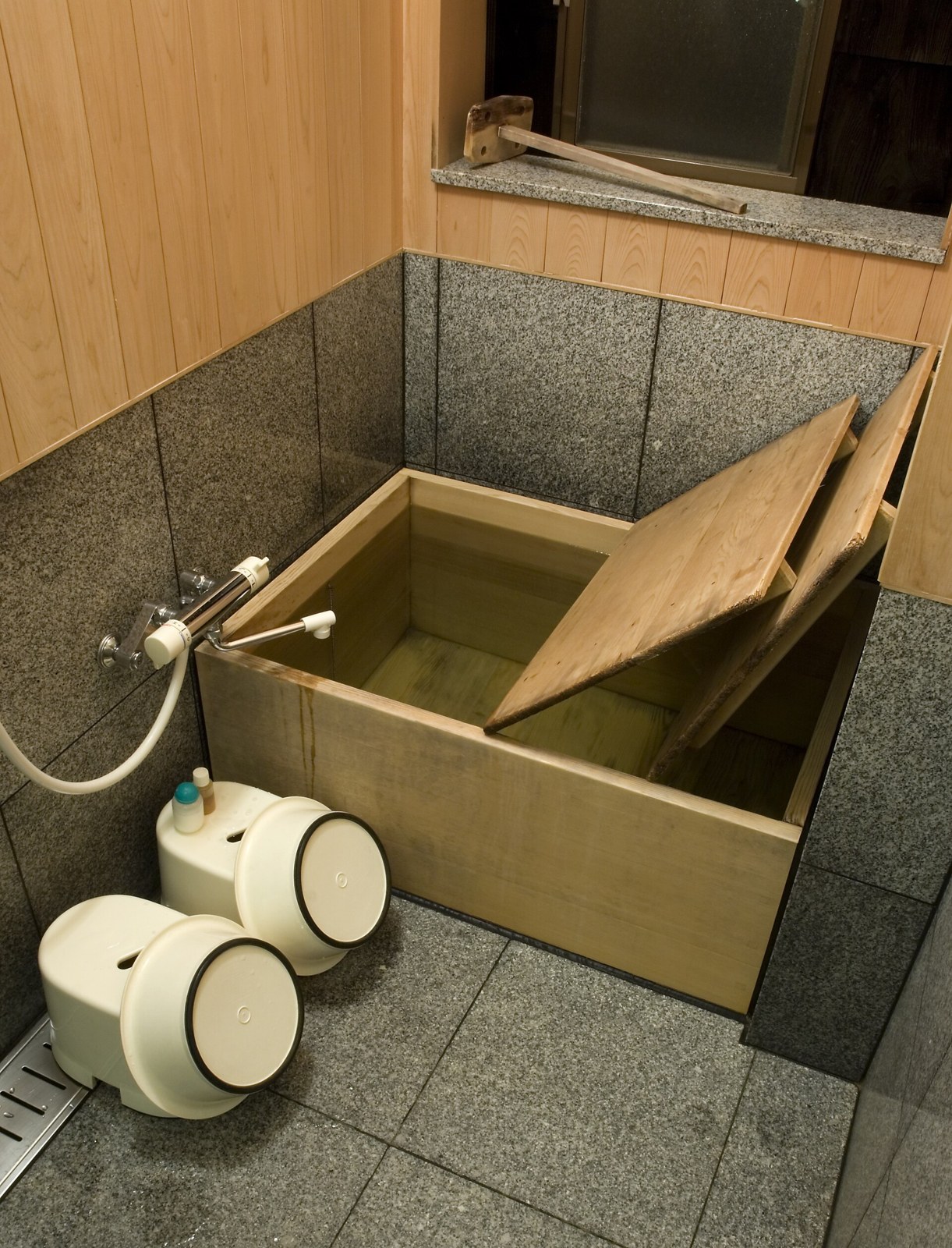
Start with the layout. Does the bathing room contain showers and a soaking tub? Is it reserved privately, or shared with other guests at the same time? Are there separate bathing areas, or does one room operate on a schedule? Do not assume that a photograph of an empty bath means you will have exclusive use.
For a private arrangement, ask how you claim your turn. There may be a booking sheet, a sign to turn over or a simple agreement with the host. Establish whether you reserve for each person or for your whole party, and whether the door locks. If you are uncomfortable with communal bathing, explain that before committing to the room.
Keep your message brief and specific. A short list is easier to answer than a general request for “bathroom information”:
- Is the bath private during each guest’s turn, or communal?
- What are the bathing hours, and how are turns arranged?
- Are bath towels, small washing towels and toiletries supplied?
- Are toilets and washbasins accessible throughout the night?
- Are there stairs or steps between the bedroom and these facilities?
Fit bathing around arrival and meals
In a small house, bath time may sit alongside meal preparation and the family’s own routine. Ask whether the bath is available before dinner, after dinner or during both periods. If you expect a late arrival, confirm that you can still wash; a room booking does not necessarily mean the bath stays open until you reach it.
Morning access needs its own question. An evening soaking bath does not guarantee a morning shower, and cleaning may close the room between sessions. If you plan to leave early for a train or walking route, check what will be available before departure. Washing your face at a basin and taking a shower are different arrangements.
At check-in, repeat the schedule back to your host and ask how long a turn should take. Be ready when your slot begins, with clothes and towels gathered beforehand. If travel delays change your arrival, tell the property as soon as you reasonably can rather than expecting the household to rearrange dinner and bathing around you.
Understand the washing and soaking sequence
Where a Japanese-style shared soaking tub is provided, the basic sequence is to wash and rinse your body before entering the tub. Use the designated washing area, following any instructions about the shower, stool and basin. Rinse away soap and shampoo thoroughly so they do not enter the soaking water.
The tub is for soaking, rather than washing. Keep your washing towel out of the water and tie up long hair. In communal bathing areas, bathing is generally without swimwear, but confirm the house’s arrangements if that affects your comfort. A privately reserved turn may offer a more suitable option; ask whether one is available.
Do not pull the plug, add products or change the water temperature without permission. The same prepared bathwater may be intended for other people, and the host may manage its heating. Ask for help if it feels too hot. When you finish, rinse any soap from the washing area, return equipment as instructed and leave the floor as tidy as you can.
Pack towels with the actual setup in mind
Ask about both a large drying towel and a small washing towel. “Towels included” may not tell you which sizes are provided, whether they are placed in your room or whether fresh ones are available during a longer stay. Also check whether shampoo, body wash and a hairdryer are supplied if you would otherwise need to pack them.
A compact personal towel can be useful when the answer is unclear, particularly on a trip with several small lodgings. Bring a waterproof pouch for damp items and keep dry clothes in a separate bag. Avoid relying on a towel drying overnight in a small bedroom; ask where the household prefers guests to hang wet things.
Gather everything before leaving your room: towel, clean clothing, any personal washing products and the room key if needed. Leave valuables securely stored. In a communal bathing area, keep phones and cameras put away to respect everyone’s privacy. Ask where belongings should go if there are no obvious baskets or shelves.
Check toilet access separately
A closed bathing room should not be your first clue about where the toilet is. On arrival, locate the toilets and washbasins, and ask which ones guests should use overnight. Check whether you need to cross a shared living area, use stairs or step into a corridor that feels separate from the main guest rooms.
This matters particularly for children, anyone who needs frequent toilet access and travellers with limited mobility. Ask about the actual route and toilet type rather than relying on “shared facilities” as a description. If steps, a low seat or a long corridor would be difficult, request clear details before booking.
Some houses provide separate toilet slippers. Where they do, change into them at the toilet entrance and leave them there when you come out. Keep ordinary indoor slippers out of the toilet area and follow signs about footwear. If you are unsure, ask your host to show you; a quick demonstration is easier than guessing.
Work with the household’s space and routine
Shared facilities work best when you leave room for the next person. Keep washbasin visits short when others are waiting, remove your toiletries afterwards and avoid spreading bags across a changing area. If you need extra time for a child or assistance with washing, discuss that when the bathing schedule is arranged.
Sound travels easily in some older houses. Close doors gently, keep corridor conversations low and check before running a hairdryer late at night or early in the morning. Follow the host’s guidance on slippers and tatami rooms, and ask where to put used towels rather than leaving them on bedding or wooden furniture.
Explain practical needs plainly before arrival, including a need for private bathing or questions about tattoo policies. Policies and available alternatives vary, so seek a direct answer from the property. A minshuku stay is easier when you arrive knowing the bathing hours, the route to the toilet and what belongs in your wash bag. Once those details are settled, you can spend less time puzzling over the bathroom and more time enjoying the place you came to visit.