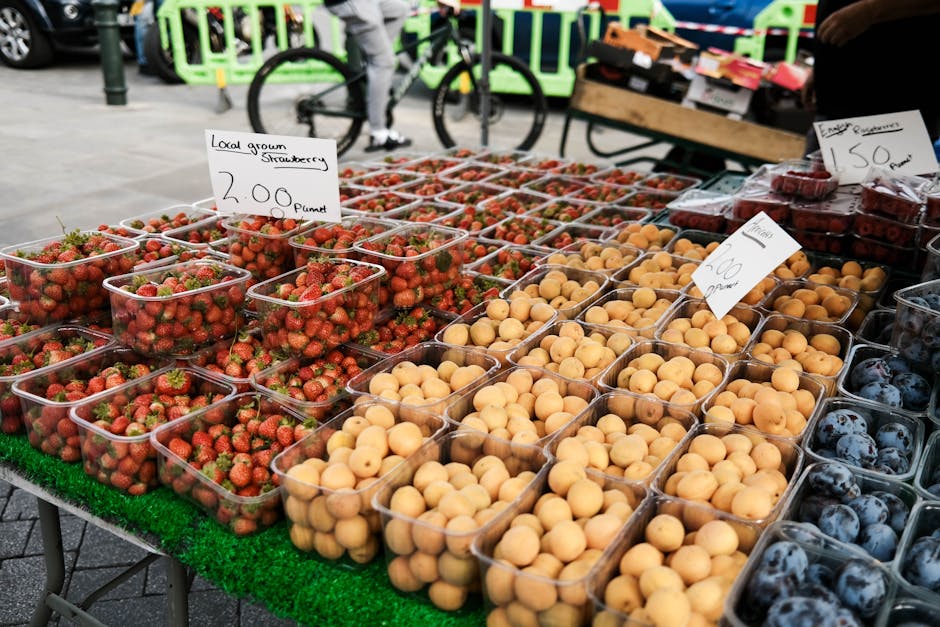
A French covered market makes a picnic feel almost assembled before you begin: bread under one arm, tomatoes in a paper bag, a piece of cheese wrapped at the counter. The catch is that an appealing stall can persuade you to buy enough for several meals. For a same-day picnic, I start with a simpler question: what can we comfortably carry, share and finish in one sitting?
Build around bread, produce and cheese, then add only what helps those three become lunch. Shop with your eating place in mind, ask for portions that suit your group, and leave delicate or chilled purchases until the end. You will spend less time managing bags and more time enjoying the meal.
Decide where and when you will eat
Before browsing, work out roughly how long it will be until lunch. A shaded bench nearby calls for different packing from a long walk followed by a train journey. Check whether your intended spot permits picnics and whether you are likely to find somewhere to sit. A market hall may have eating areas, but do not assume its tables are available for food bought from every stall.
Look at the equipment you have, too. With no knife, choose produce you can eat whole and ask the cheesemonger to divide your cheese. Without a cool bag and ice pack, keep the interval between buying perishable food and eating it short. If lunch is still hours away, buy shelf-stable items first and arrange to collect chilled food just before leaving.
My basic kit is a reusable bag, a clean food container, napkins, drinking water and a small rubbish bag. A light board or sturdy container lid provides a useful cutting surface. Carry a knife only when it is appropriate for your onward journey and destination; otherwise, make the purchases suit a meal assembled by hand.
Walk through before buying
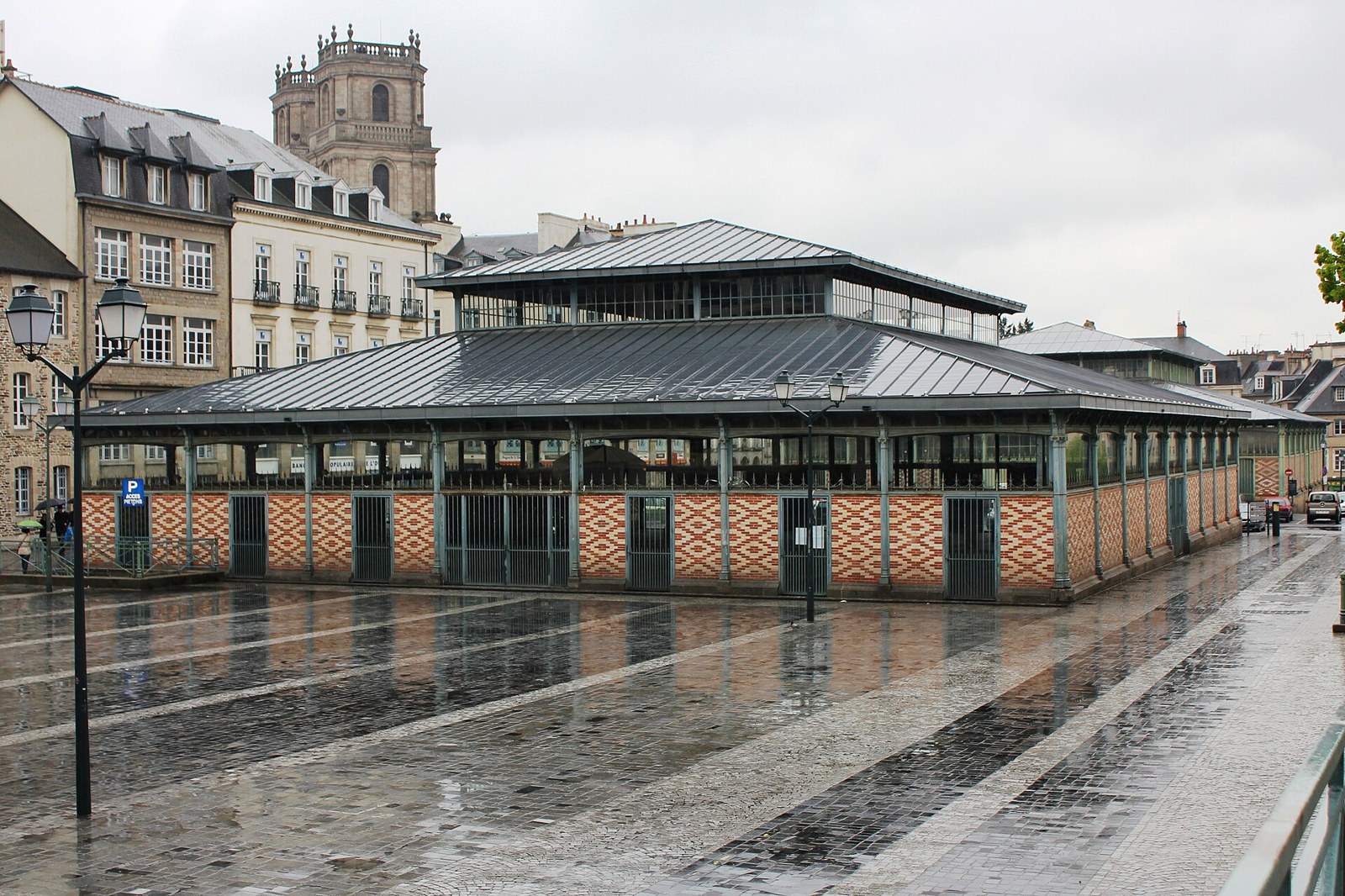
Take one unhurried circuit to see what is available. A covered market might have several produce stalls and cheesemongers, or a much smaller selection than you expected. Identify the bread, choose a produce stall and note where you can buy cheese. This also helps you avoid buying a rich prepared dish before discovering the simple ingredients you actually wanted.
Keep the menu compact: one bread, one or two vegetables or fruits, and one cheese, with a second cheese only if the group wants variety. An optional extra should earn its place. Olives bring salt and richness; a ready-to-eat salad supplies another texture. You rarely need both plus charcuterie, pâté and a large dessert.
Greet the seller with “bonjour” before ordering. Look for signs about serving or self-service, and let the seller select produce where that is the stall’s practice. If you have an allergy or dietary requirement, discuss it before food is cut or wrapped. Never infer ingredients from appearance alone.
Buy sturdy produce first
Start with items that can withstand a little carrying. Depending on the season and what looks good that day, that might mean carrots, radishes, apples or firm tomatoes. Tender berries, ripe stone fruit and easily bruised tomatoes need more protection, so buy them later or give them a rigid container near the top of your bag.
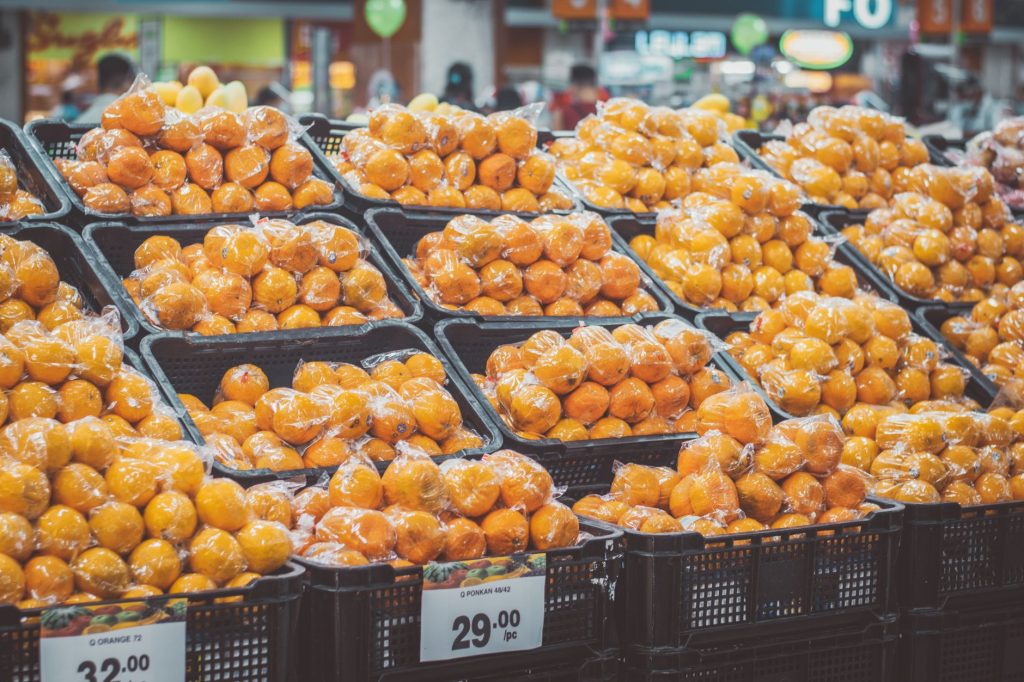
Think in things each person will actually eat: an apple each, a tomato each, or a small shared bunch of radishes. These are planning prompts, not fixed serving rules. Appetite, the size of the produce and the rest of lunch all matter. Choose fewer ingredients when they come only in quantities too large for your group.
Ask for fruit ready to eat today: “Pour manger aujourd’hui, s’il vous plaît.” That gives the seller a more useful brief than simply asking for something good. For tomatoes or other loose produce, say how many you want before the bag is filled. If something is sold by the punnet or bunch, check whether a smaller portion is possible, accepting that it may not be.
Wash produce with potable water before eating, even if it looks clean. If you will not have access to suitable water, plan to wash it at your accommodation before setting off, or choose a different picnic arrangement. Keep washed food in a clean container and separate it from unwashed purchases.
Choose bread for the way you will eat
A baguette is convenient for tearing and sharing, but it is not the only useful option. A small loaf with a firm crumb can make an easier base for cheese and juicy tomatoes. Consider whether you want open sandwiches, filled sandwiches or separate bites; the bread should support that choice.
Tell the baker how many people are eating and that the bread is for lunch today. Ask whether a smaller loaf or a portion of a larger bread is available. If slicing would solve your lack of a knife, ask before paying, although not every stall can provide it. Resist buying extra simply because the display is tempting.
Keep bread in its paper wrapping and carry it above heavy items. Do not seal warm bread in an airtight container, where trapped moisture can soften the crust. Keep it separate from damp vegetables and chilled packages. If the bread stall is near the exit, you can reserve this purchase for the final few minutes.
Ask the cheesemonger for a picnic portion
Cheese is the point at which a small picnic can become difficult to carry and finish. Describe the meal before naming several cheeses: “Un petit morceau pour deux personnes, pour un pique-nique.” You are asking for a small piece for two people, for a picnic. Add whether cheese is the main filling or just one part of a larger lunch.
Ask to see the proposed piece before it is wrapped. You can request a smaller cut with “Un peu moins, s’il vous plaît.” Some cheeses have practical cutting limits, and small whole cheeses may be sold as complete units. If the available portion is too much, choose something else rather than creating leftovers you cannot keep chilled.
A firm or semi-firm cheese is usually easier to portion outdoors than a very soft, runny one. If you prefer soft cheese, bring a container and something suitable for spreading it. Ask the seller about storage and transport, and keep cheese chilled in an insulated bag with an ice pack until the meal. Do not leave it sitting in sunshine while you organise everything else.
Make the final purchase your final addition
Before adding anything, look at what is already in your bag. Bread, cheese, tomatoes and fruit may be a complete lunch. If you still want olives or a prepared salad, ask for a small container and check whether serving utensils are included. Choose food that is ready to eat, and ask about ingredients and chilled storage where relevant.
Collect cheese and any other chilled foods towards the end of the visit, then go to your picnic spot. Pack heavy, sturdy purchases low, protect soft produce above them, and keep bread clear of anything that might leak. Put napkins and utensils somewhere accessible so you do not have to empty the whole bag onto a bench.
Assemble a little at a time
At lunch, clean your hands, set out a clean surface and open only what you need. Tear or slice some bread, share the cheese and bring out the washed produce. Keep juicy tomatoes separate until you are ready to eat them; sandwiches assembled too early can become soggy.
Leave chilled food in the cool bag between servings and keep the bag shaded. Avoid planning on carrying perishable leftovers through an afternoon without reliable refrigeration. Buying manageable portions at the counter makes that decision easier before hunger and enthusiasm take over.
Finally, collect wrappers, fruit stones and other scraps, and leave the spot clean. The most satisfying market picnic is one you can carry easily and finish happily: good bread, produce ready to eat, and a piece of cheese chosen for this particular lunch.