No matter how many flights I take, I can never quite shake that niggling fear that sticks to the bottom of my stomach. The changing sounds of the engines, the bumping of turbulence and the cramped conditions play havoc with my nerves. That means I like the airport part to feel as calm and predictable as possible before I even step on the plane. My local airport, Manchester International, has some useful places to pause, eat and distract myself, so these are my tips for surviving the airport as a nervous flyer.
Get there early
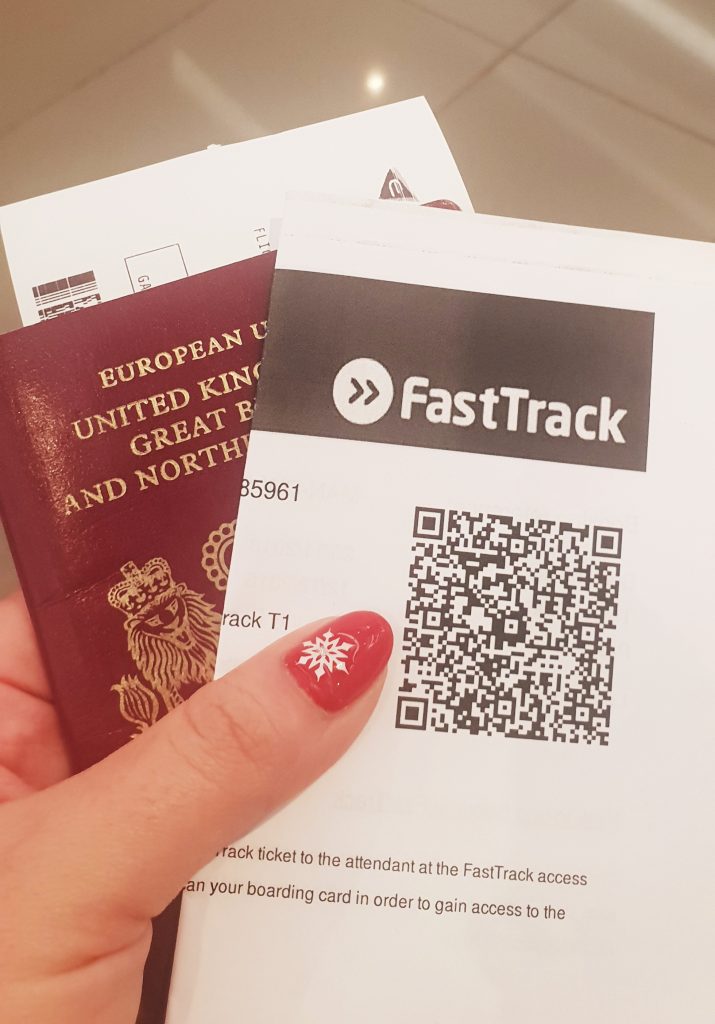
Before flying, I put everything I need for check-in together in an easily accessible pocket of my travel bag. Technology is handy, but I feel more organised with a printed copy of my travel details alongside any documents I need for the journey. I also save my boarding pass on my phone where I can open it without a signal. A low battery or an email that refuses to load is stress I can do without.
I try to get to the airport three hours early, while checking my airline’s advice about when check-in and bag drop open. Arriving early only helps if you understand what you can actually do when you get there. I check the terminal on my booking before setting off, and leave some breathing space in the journey for traffic, parking or a delayed train.
The night before, I make a short checklist: passport, boarding pass, travel documents, phone, charger and any medication I need to carry. Once I have checked those items, I zip the bag up. Having a particular pocket for my passport saves me repeatedly emptying the bag to reassure myself that it is still there.
If an early departure means a miserable journey in the middle of the night, I would also consider staying nearby. When comparing accommodation, factor in the transfer arrangements and the time you need to leave, as well as the room rate. A hotel only makes the morning easier if getting from it to the correct terminal is straightforward.
Use the Fast Track service
The queues at Manchester Airport can feel overwhelming when I am already thinking about the flight. Security Fast Track is something I like to consider because a more manageable queue can take a little pressure off. It is an optional extra, though, so I weigh it against my budget rather than treating it as essential.
Before booking, check the terminal, date, time slot and conditions carefully. Security Fast Track is separate from airline check-in and bag drop; it does not mean skipping the security checks themselves or guarantee that there will be no wait. I still leave plenty of time and keep the booking confirmation accessible.
Preparation helps whichever queue you use. I keep small belongings together, avoid burying anything I might need to take out, and follow the signs and staff instructions at the checkpoint. If I am unsure what to do, I ask before unpacking everything. Once through, I move to the repacking area and take a moment to put my passport and phone back in their usual pockets.

Shop, or find a simple distraction
A browse through duty free is one of my favourite ways to mark the start of a holiday. World Duty Free is somewhere I like to look for beauty treats, especially Benefit and Jo Malone, but I give myself a spending limit before I start. An airport purchase should feel like a pleasure, not another thing to worry about later.
If a beauty counter offers a makeup demonstration or a treatment is available, that can be a pleasant diversion. I would check how long it takes and whether there is a charge before settling in. Shops, services and opening hours can differ between terminals, so I avoid making my whole calming routine depend on one particular counter being open.
I also like a stop at WHSmith for magazines or a colouring book. Colouring gives my hands something to do and helps me focus on a small, ordinary task. A familiar book or a downloaded podcast works just as well if shopping does not appeal. I pack a backup distraction at home so I have something ready for queues, delays and the flight itself.
Remember that purchases still need to be carried. I check my airline’s cabin baggage rules and leave room in my bag instead of assuming airport shopping comes with an extra allowance. I also keep an eye on the departure boards while browsing; distraction is useful until it turns into a last-minute dash.
Escape the madness at Escape Lounge
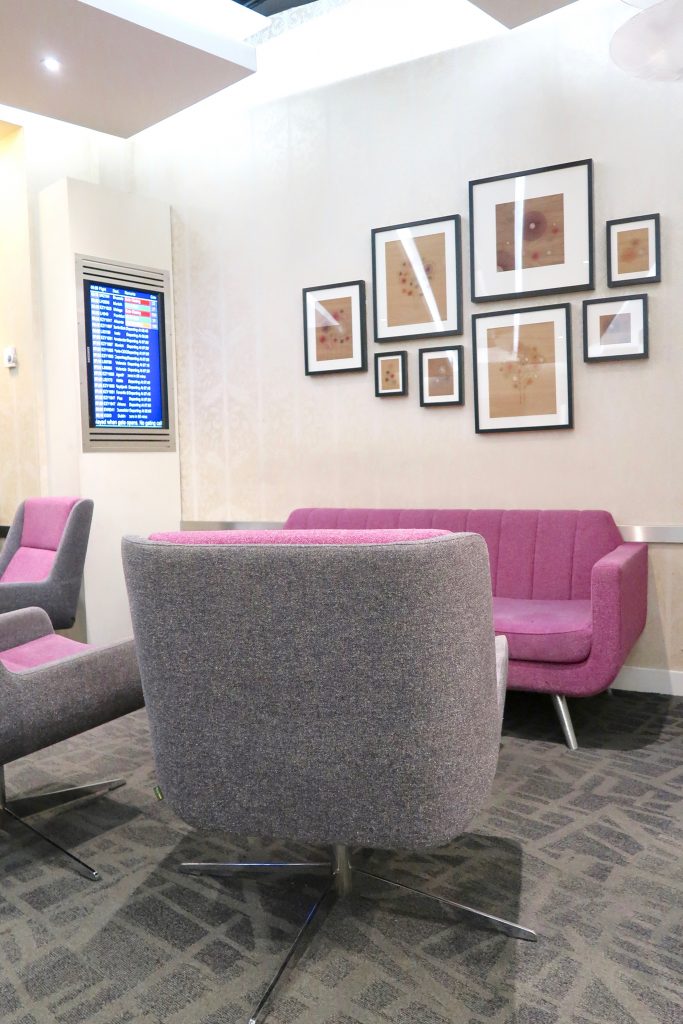
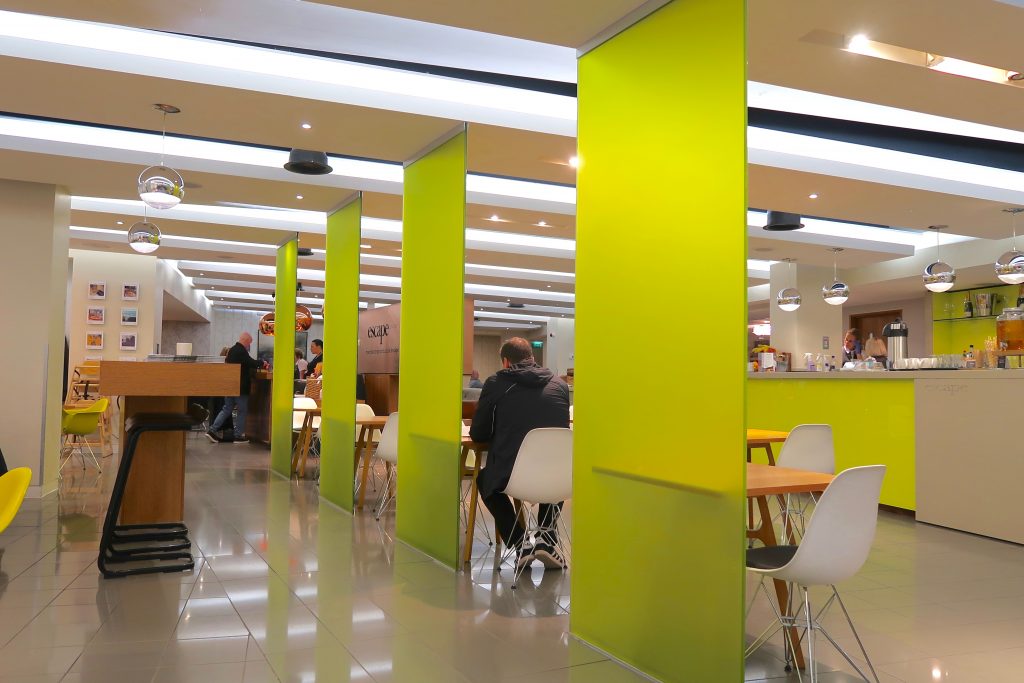
The main waiting areas can be busy, so Escape Lounge is one of my favourite options when I want somewhere to settle before boarding. What I enjoy is having a seat, something to eat and a little distance from the flow of people through the terminal. If there is a quieter corner available, that is usually where I head.
Before paying, check that the lounge serves your departure terminal and that its opening hours and permitted visit length fit your flight. I also look at what is included and any entry conditions. Food choices depend on the time of day; as we tend to travel early, breakfast is usually what interests me.
I like to eat something familiar and keep my flight details close by. A lounge visit is only relaxing if I know when to leave, so I check the departure information regularly and set a reminder to look again. I never assume someone will announce my flight personally or that boarding will wait because I am still finishing breakfast.
A lounge is a treat rather than a requirement. For a cheaper version of the same routine, I find a seat away from the busiest shop entrances, buy a snack if I need one and open my book. The useful part is having a plan for the waiting time, whether or not that includes a paid lounge.
Hydrate and eat something
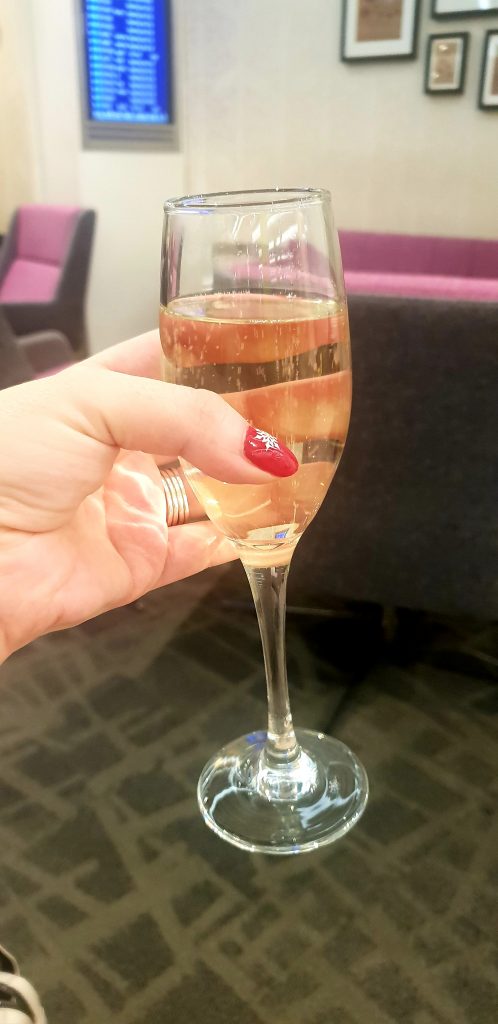
I do enjoy the thought of a glass of fizz before a holiday, but I would not rely on alcohol to settle flight nerves. Water is my first choice while waiting, and I drink steadily rather than trying to gulp down lots just before boarding. Carrying an empty reusable bottle gives me the option of filling it after security where drinking water is available.
I also try not to let nerves make me skip food altogether. A small breakfast or a familiar snack is easier for me to face than a large meal when my stomach is churning. If coffee makes you feel more jittery, think about choosing something else instead of automatically ordering another cup during a delay.
I sometimes feel dizzy after flying, but I do not treat water as a guaranteed fix for that. My airport routine is about feeling more comfortable. Persistent or worrying symptoms deserve proper advice rather than a travel tip.

Get to the gate early
Once the gate appears, I allow time to walk there, use the toilet and get my boarding pass ready. I follow the airline’s boarding and gate-closing instructions rather than working backwards only from the departure time. A distant gate or an unexpected queue can quickly eat into what looked like spare time.
At the gate, I put away anything I will not need and keep my book, headphones and a layer within reach. I wait for my boarding group instead of hovering in a crowd. If I am feeling particularly anxious, I mention it to the cabin crew as I board; simply saying it aloud can make me feel less alone.
For me, surviving Manchester Airport is about lots of small preparations: knowing where my documents are, leaving time to spare and giving myself something pleasant to do. The nerves may still come along, but they do not have to organise the whole journey.