You land at Narita after a 12-hour flight. You’re starving. You walk into a tiny ramen shop in Shinjuku, sit down, and the chef hands you a bowl of steaming broth. You grab your chopsticks and… do you stab them into the rice? Rub your chopsticks together? Slurp or not slurp?
Nobody warned you that eating in Japan comes with a second menu of unwritten rules. One wrong move and you’re the loud tourist everyone remembers. This guide covers the seven dishes you cannot skip on your first trip, plus the exact etiquette that keeps you from looking lost.
The One Rule That Changes Everything About Eating in Japan
Before you order anything, get this straight: Japanese dining culture treats food as a shared experience, not a transaction. Rushing through a meal or eating while walking signals disrespect to the chef and the food itself.
Most tourists mess up here. They grab a snack from a convenience store and eat it while walking down Takeshita Street. Locals don’t do that. You stand near the shop, finish your food, and toss the wrapper in the correct bin (which is never the one you think — Japan separates burnable, non-burnable, plastic, and PET bottles).
The deeper point: slow down. A meal at an izakaya (Japanese pub) is meant to last two hours. Small plates, small pours, lots of talking. If you treat it like a fast-food pit stop, you miss the entire point.
Why “Itadakimasu” Matters More Than You Think
Say “itadakimasu” (ee-tah-dah-kee-mahs) before every meal. It translates roughly to “I humbly receive.” It’s not religious. It’s a simple acknowledgment of the cook, the ingredients, and the farmer who grew them. Skipping it is like walking into someone’s house and not saying hello.
The Chopstick Rules That Get You Noticed (For the Wrong Reason)
Three absolute no-gos:
- Never stick chopsticks upright in rice. This mimics a funeral ritual where rice is offered to the dead. Lay them on the chopstick rest or across your bowl.
- Don’t pass food chopstick-to-chopstick. Again, funeral thing. Bones are passed this way after cremation. Use the serving chopsticks or place food on the other person’s plate.
- Do not rub chopsticks together. This implies the chopsticks are cheap and splintery, which insults the restaurant. High-end places use quality wood. Just use them as-is.
7 Dishes You Cannot Skip on a First Trip
Japanese food goes way beyond sushi and ramen. These seven dishes cover the full spectrum — street food, home-style cooking, fine dining, and late-night comfort. Try them in this order.
| Dish | Best Place to Try It | Average Price | Key Etiquette Tip |
|---|---|---|---|
| Ramen (tonkotsu style) | Ichiran (multiple locations) | ¥980–¥1,200 | Slurp loudly. It shows you enjoy the broth. |
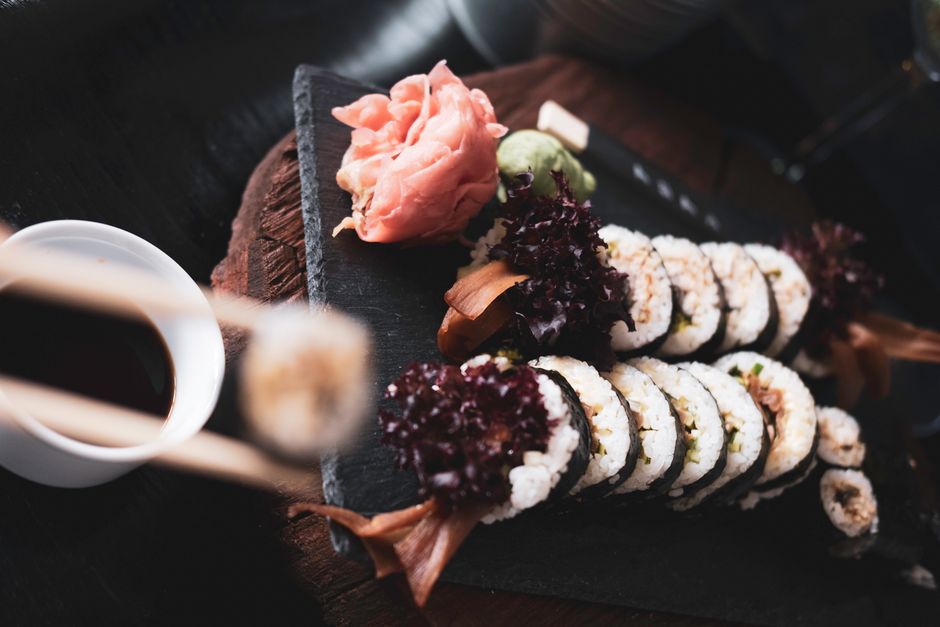
| Sushi (omakase) | Sushi Dai (Tsukiji Outer Market) | ¥3,500–¥5,000 | Eat nigiri in one bite. Dip fish-side into soy sauce, not rice-side. |
| Okonomiyaki | Chibo (Osaka or Tokyo) | ¥1,200–¥1,800 | Cook it yourself at the table. Don’t flip it until the bottom is golden brown. |
| Takoyaki | Takoyaki Wanaka (Osaka) | ¥500–¥800 (6 pieces) | Eat it piping hot. Bite carefully — the inside is molten. |
| Tempura (set meal) | Tempura Kondo (Ginza, Tokyo) | ¥3,000–¥5,000 (lunch set) | Dip in tentsuyu sauce with grated daikon radish. Eat immediately — tempura gets soggy fast. |
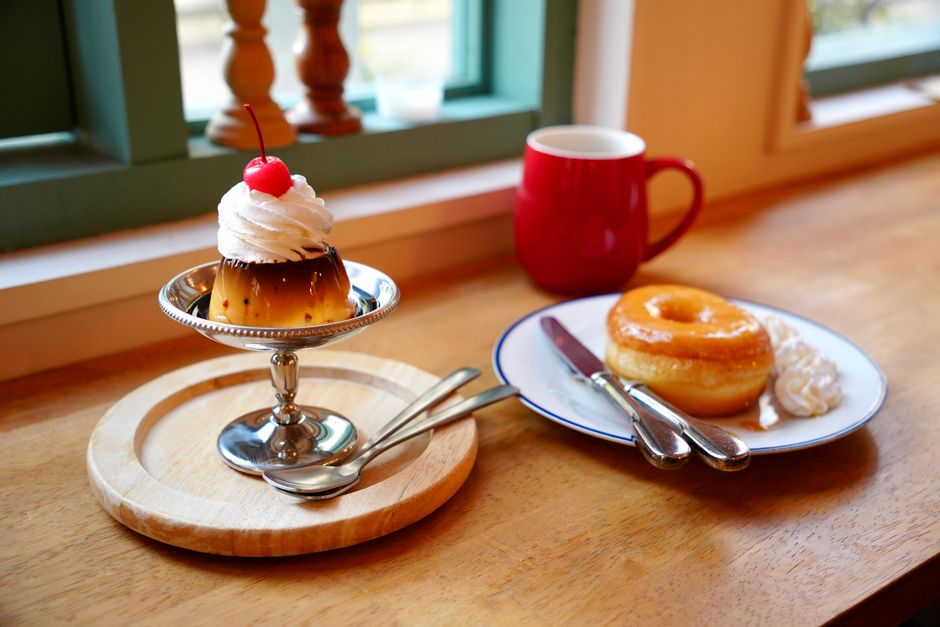
| Matcha parfait | Nakamura Tokichi (Kyoto or Tokyo) | ¥1,200–¥1,600 | Eat from top to bottom. Mix the layers only at the end. |
| Katsu curry | Coco Ichibanya (nationwide) | ¥850–¥1,300 | Use a spoon for the curry. Pick up the cutlet with chopsticks. |
Why Ramen Slurping Is the Fastest Way to Fit In
Western manners teach us to chew with our mouths closed. Japan flips that for noodles. Slurping ramen is a compliment. It aerates the broth, cools the noodles, and signals to the chef that the food is delicious. If you eat ramen silently, the chef might think you don’t like it.
Practice before you go. Pull the noodles into your mouth with an audible inhale. It feels weird at first. Do it anyway.
Conveyor Belt Sushi: The Trap Most Tourists Fall Into
Conveyor belt sushi (kaiten-zushi) looks easy. Grab plates, eat, pay by the color. But there’s a catch: the sushi on the conveyor belt has been sitting out. Freshness drops fast.
Smart move: order directly from the chef using the tablet at your seat. The sushi comes out on a separate belt within 90 seconds. It’s the same price and much better quality. At Kura Sushi or Sushiro, the tablet menu has English options. Use it.
How to Order at an Izakaya Without Panicking
An izakaya is Japan’s version of a pub. Small dishes, shared plates, lots of drinking. First-timers freeze up because there’s no set menu structure.
Here’s the system: you order drinks first (beer, sake, or highball). Then you order food in rounds. Two dishes per person per round. Start with edamame or tsukemono (pickles) while you decide. Then move to grilled items (yakitori, saba shioyaki) and end with a rice or noodle dish.
Never pour your own drink. In Japan, you pour for others, and they pour for you. Keep an eye on your friend’s glass. When it’s empty, refill it. They’ll do the same for you. This is non-negotiable in a group setting.
The “Oshibori” Towel Confusion
Every izakaya hands you a hot or cold towel (oshibori) when you sit down. It’s for cleaning your hands before eating. Do not wipe your face or neck with it. Do not wipe the table. Use it on your hands, fold it, and set it aside. In summer, cold oshibori is a lifesaver after walking through humid Tokyo streets.
The Payment Process That Catches Everyone Off Guard
In Japan, you don’t walk up to the register and pay. You stay seated. The server brings the bill to your table. You take it to the register near the exit and pay there. Tipping is not expected. In fact, it can cause confusion — staff might chase you down to return the money.
At the register, place your money in the small tray provided. The cashier takes it, counts your change, and places it back in the tray. You pick up the tray, not the cash directly. This feels formal the first time. After three restaurants, it becomes second nature.
One exception: high-end sushi counters. There, you pay directly to the chef after the meal. No tray. No tip. Just a polite “gochisousama deshita” (thank you for the meal).
Street Food Etiquette: Eating While Walking Is a Social Faux Pas
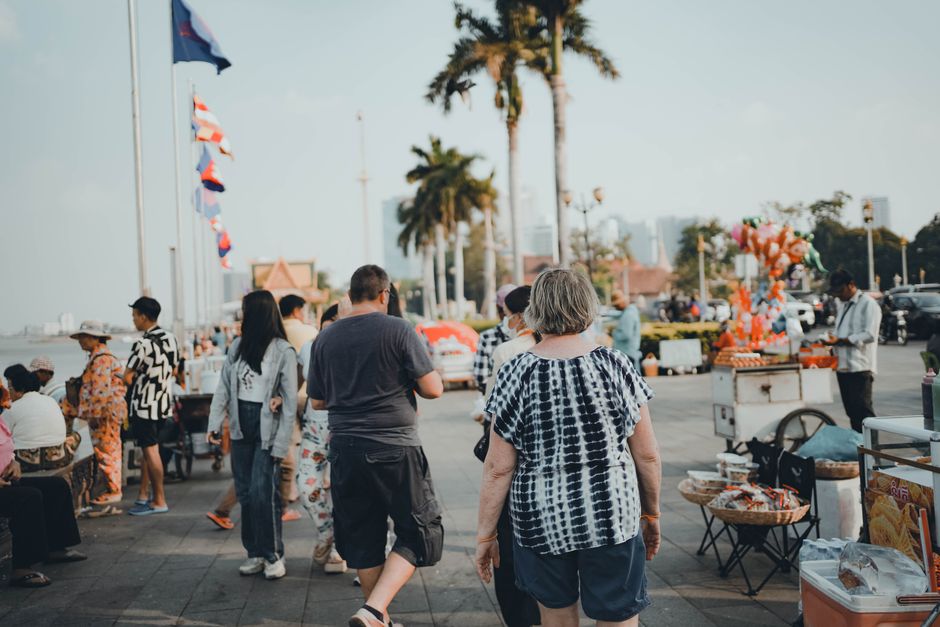
Osaka’s Dotonbori district is famous for takoyaki, okonomiyaki, and kushikatsu. Tourists grab a skewer and keep walking. Locals stop, eat near the stall, and dispose of trash properly.
The rule: stand still while eating street food. Blocking the sidewalk by standing in the middle is also bad form. Step to the side, near the wall or a designated eating area. Many stalls have small counters or bins nearby. Use them.
Kushikatsu (deep-fried skewers) has an extra rule: no double-dipping. The sauce pot is communal. Dip your skewer once. If you need more sauce, use the cabbage leaf provided to scoop it onto your plate. Double-dipping is considered unhygienic and rude.
What to Do With Your Trash
Public trash bins are rare in Japan. After the 1995 sarin gas attacks, the government removed most of them for security reasons. You hold your trash until you find a bin at a convenience store, train station, or your hotel room.
Carry a small plastic bag in your pocket. Collect your wrappers, napkins, and skewers. Sort them at the next bin. Nobody will tell you to do this. But locals notice when you don’t.
When to Skip a Dish and What to Order Instead
Not every famous Japanese dish works for every traveler. Here’s where the “must-try” lists mislead you.
Natto (fermented soybeans) is a national breakfast staple. It’s sticky, slimy, and has a strong ammonia-like smell. Most Western first-timers hate it. If you’re adventurous, try a small portion at a hotel breakfast. But don’t force it. Order tamagoyaki (rolled omelette) instead — it’s sweet, savory, and universally liked.
Fugu (pufferfish) is the famous “dangerous” dish. Licensed chefs prepare it. The risk is real but minimal at reputable restaurants. The bigger issue: it’s expensive (¥5,000–¥10,000 per course) and tastes mildly like white fish. You’re paying for the thrill, not the flavor. Order sawara (Spanish mackerel) or buri (yellowtail) for a fraction of the price and better taste.
Uni (sea urchin) is polarizing. Fresh, high-quality uni tastes like the ocean — creamy and briny. Bad uni tastes like iodine and metal. At conveyor belt sushi, skip the uni. At a proper sushi counter, ask the chef if it’s in season. If it’s Hokkaido uni in summer, say yes. Otherwise, order hotate (scallop) — it’s sweet, tender, and hard to mess up.
The takeaway: don’t order a dish just because it’s famous. Order what sounds good to you. Japanese menus are deep. There’s always a safer option that’s just as delicious.