You’ve heard the horror stories. A friend of a friend ate one skewer in Bangkok and spent three days in a hotel bathroom. Another traveler got hit so bad they cut their trip short. So you stand there, stomach growling, staring at a steaming wok of pad Thai, paralyzed by fear.
Here’s the truth: street food in Asia is not a game of Russian roulette. The problem isn’t the food. The problem is how you choose the food. I’ve eaten street food in 12 Asian countries over the last decade. I’ve had exactly zero cases of food poisoning. That’s not luck. That’s a system.
Why Most Travelers Get Sick (And It’s Not the Food)
Your gut bacteria are local to where you grew up. When you land in Bangkok or Hanoi, you’re introducing it to a completely new microbiome. That’s the real enemy — not the stall owner’s hygiene.
The Ice Trap
Ice is the single biggest risk. In many places, ice is made from tap water. That water carries bacteria your stomach has never met. Rule: if the ice is a solid block with a hole in the middle (factory-made), it’s safe. If it’s crushed, chipped, or irregularly shaped — skip it.
Raw Vegetables and Washed Greens
That beautiful plate of fresh herbs and lettuce on the side of your pho? Washed in tap water. The bacteria load is high. I skip it. Every time. The cooked food is fine. The raw garnish is the risk.
The 4-Second Stall Test: How to Pick a Safe Stall
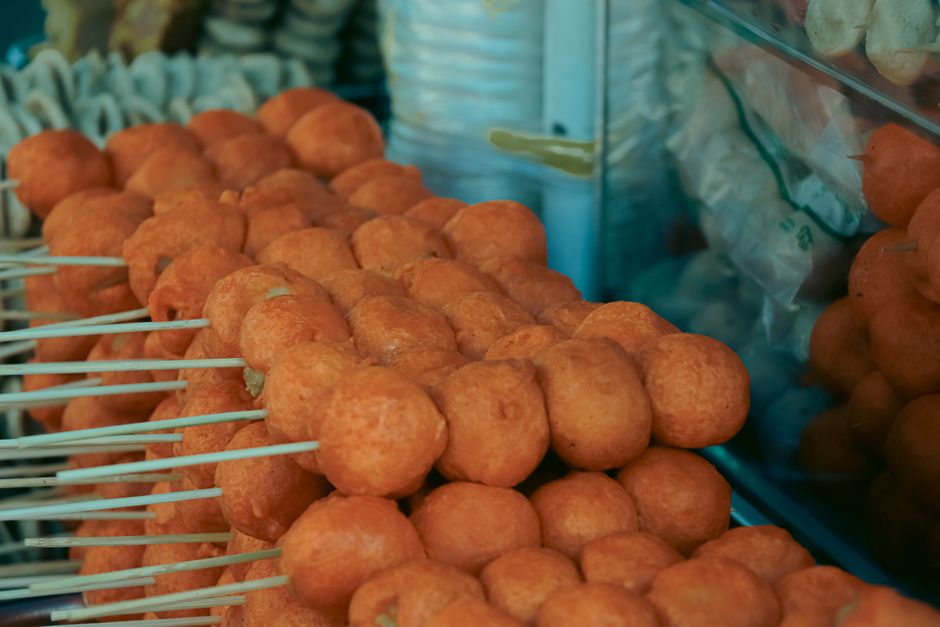
You can tell if a stall is safe in under 10 seconds. No need to inspect the kitchen. Just watch.
- Look at the queue. Locals eat there. Lots of them. That’s the single best indicator. If every other person in line is a local, the food is safe and good.
- Check the turnover. Does the stall have a constant stream of customers? High turnover means ingredients don’t sit out. The food is cooked fresh, repeatedly. A stall with one customer every 20 minutes? Pass.
- Watch the cooking. Does the cook handle raw meat, then touch the money, then touch the cooked food? If yes, walk away. Good stalls use tongs or gloves for cooked food and have a separate person handle cash.
- Look at the serving dishes. Are they stacked clean? Are there flies around the food? If flies are landing on the cooked skewers, the stall isn’t controlling temperature or cleanliness.
What to Eat and What to Skip (A Practical Guide)
Not all street food is equal risk. Some dishes are almost bulletproof. Others are a gamble.
| Food Type | Risk Level | Why |
|---|---|---|
| Grilled meats (satay, yakitori, skewers) | Low | Cooked at high heat right in front of you. The fire kills bacteria. |
| Deep-fried items (spring rolls, tempura, gyoza) | Low | Oil temperature is 350°F+. Nothing survives that. |
| Noodle soups (pho, ramen, laksa) | Low | Broth is boiling hot. Noodles are cooked fresh. Just skip the raw herbs. |
| Steamed buns (bao, dim sum) | Low | Steam heat kills bacteria. High turnover at busy stalls. |
| Fresh spring rolls (goi cuon, summer rolls) | Medium | Rice paper is handled. Fillings are often raw. Only eat at very busy stalls. |
| Cut fruit (pre-sliced mango, watermelon cups) | High | Washed in tap water. Sits out at room temperature. Knife may be dirty. Skip it. |
| Seafood (oysters, clams, raw fish) | High | Raw or lightly cooked seafood from a street stall is a gamble. Hard pass. |
The One Thing That Changes Everything: Timing
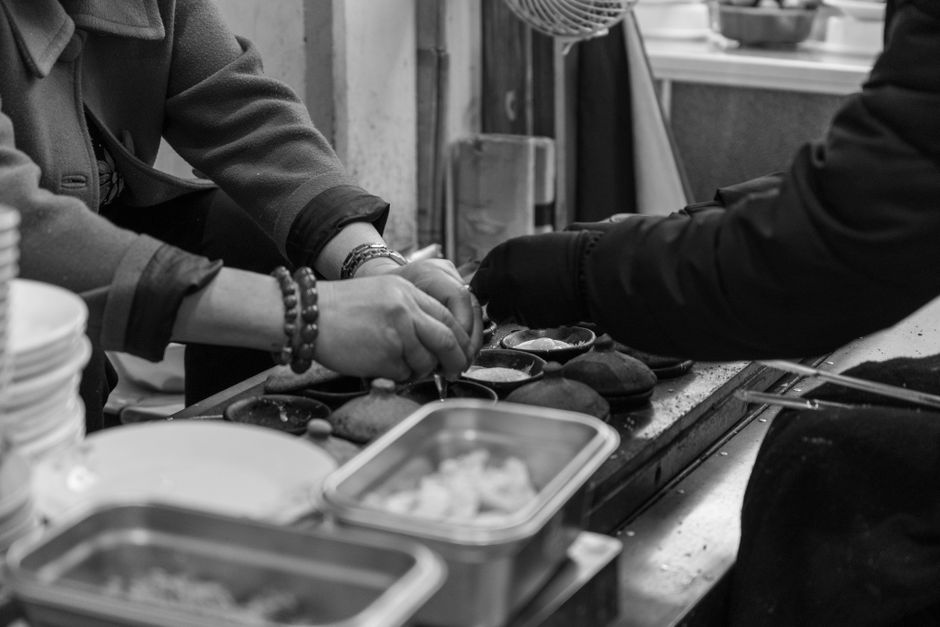
You want the stall that’s been cooking for two hours, not the one that just set up. Here’s why.
Food safety isn’t just about cleanliness. It’s about heat history. A stall that’s been running since 5 PM and it’s now 7 PM has been cooking continuously. Their wok is seasoned and hot. Their ingredients have been moving. A stall that just opened at 7 PM? That meat has been sitting in a cooler (or not) since the morning. The cooking surface is cold. They’re still figuring out their flow.
Best time to eat street food: between 7 PM and 9 PM. That’s peak dinner rush. Everything is moving fast. Everything is hot. Worst time: 11 AM. Lunch stalls are just starting. The food has been sitting since prep.
What to Do If You Do Get Sick (And How to Prepare)
Even with perfect choices, your gut might revolt. The new bacteria are unfamiliar. Here’s the plan.
Carry oral rehydration salts (ORS). You can buy packets at any pharmacy in Asia. They cost about $0.50. Mix with bottled water. That’s better than any anti-diarrhea pill. Dehydration is the real danger, not the runs.
Pack activated charcoal tablets. If you feel something wrong within 30 minutes of eating, take two charcoal tablets with water. They absorb toxins. Not a cure-all, but it helps. Available at any pharmacy.
Know the local pharmacy phrase. In Thailand: “ya thong” (charcoal). In Vietnam: “thuốc tiêu chảy” (diarrhea medicine). In Japan: “seiri fuchō” (stomach upset). Show your phone with the phrase. Pharmacists in Asia are excellent — they deal with this daily.
Street Food vs. Restaurant Food: The Honest Comparison
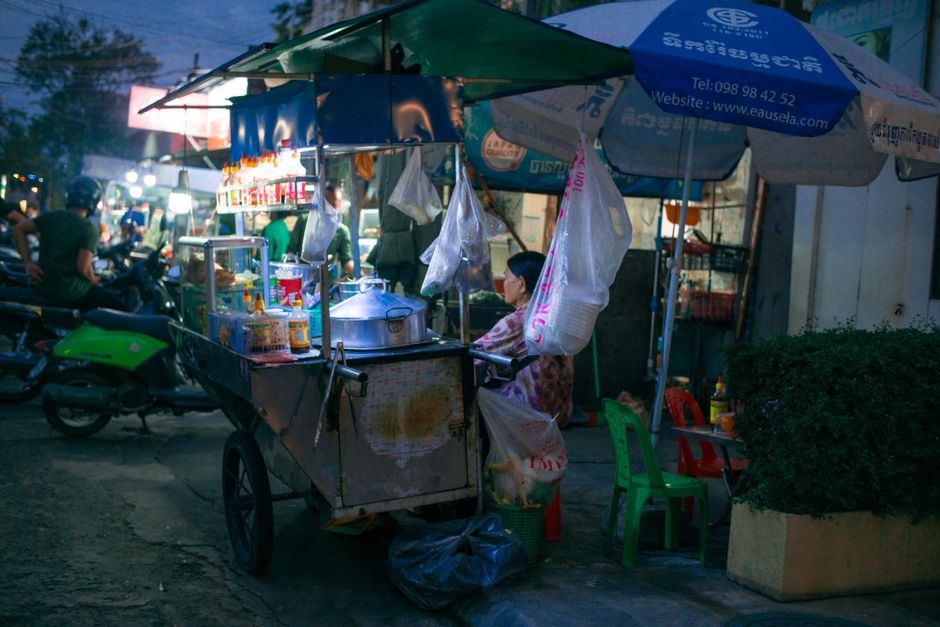
Here’s the part nobody tells you: street food is often safer than mid-range restaurants.
Think about it. A street stall makes 200 portions of pad Thai in a night. Every batch is cooked fresh. The ingredients are bought that morning from the market. The cook has been making this dish for 15 years. The turnover is insane.
A mid-range restaurant? The chef might be fine, but the kitchen is a mystery. The food sits under heat lamps. The ingredients might be a week old. The dishwasher might not be sanitizing properly. You’re paying $12 for ambiance and risk.
Street food is a closed loop. The cook buys ingredients, cooks them, sells them. That’s it. No storage. No reheating. No mystery. That’s why I eat street food 90% of the time in Asia. It’s cheaper, tastier, and — if you follow the rules — safer.
Three Products That Save Your Stomach (And Your Trip)
I don’t recommend brands lightly. These three have pulled me through dozens of trips.
BioGaia Probiotic Chewable Tablets (about $25 for 30 tablets). Start taking them three days before your trip and continue daily. They contain Lactobacillus reuteri, a strain that’s been shown to reduce the risk of traveler’s diarrhea by about 40%. You can find them at most pharmacies or online. Not a guarantee, but a serious edge.
Dioralyte Oral Rehydration Sachets (about $8 for 20 sachets). These are the gold standard. Better than sports drinks. Better than plain water. They contain the exact balance of glucose and electrolytes your body needs to absorb fluids. I carry six sachets in my day bag. They weigh nothing.
Activated Charcoal by Nature’s Way (about $10 for 100 capsules). Take two capsules at the first sign of stomach upset. Not as a preventative. They bind to toxins in your gut and help flush them out. Don’t take them within two hours of any medication — charcoal absorbs everything.
That’s it. No magic pills. No expensive powders. Three products that cost under $50 total and cover you for a month-long trip.
Street food is the best part of traveling in Asia. The flavors are unmatched. The experience is pure. The fear is the only thing holding you back. Pick a busy stall. Watch the cook. Skip the ice. Eat the grilled meat. Your stomach will thank you.