I’ve spent the last four years bouncing between European cities on a shoestring. My daily budget? $50. That covers accommodation, three meals, local transport, and at least one paid attraction. It’s tight, but it works. Here’s exactly how I do it — no fluff, just the numbers and tactics that actually hold up in 2026.
The $50 Daily Budget: Where Your Money Goes
You cannot wing a $50/day budget. Every euro counts. Here’s my exact daily breakdown from my last trip through Eastern and Southern Europe.
| Category | Cost (USD) | What That Gets You |
|---|---|---|
| Accommodation | $15–20 | Hostel dorm bed in a 6–8 person room (e.g., Wombat’s Budapest ~$18/night) |
| Food | $12–15 | Breakfast from a bakery ($2), lunch from a market ($5), dinner at a budget restaurant ($5–8) |
| Transport | $5–8 | 24-hour public transit pass in most cities, or a 2–3 km walk |
| Attractions & Misc | $5–10 | One paid museum entry (student discount) or a free walking tour tip |
| Buffer | $3–5 | Unexpected costs, laundry, or a cheap beer |
Key insight: Accommodation is the biggest variable. In Prague, I paid $14/night. In Paris, the same dorm would cost $35. Pick your cities wisely.
Why $50 Works in Eastern Europe But Not the Nordics
Budapest, Kraków, Belgrade, and Lisbon are your best bets. In Copenhagen or Zurich, $50 barely covers a hostel and a sandwich. I spent a week in Belgrade for $38/day — that included a private room. The math changes completely once you cross west of Vienna.
How to Score Accommodation Under $20 a Night
This is the make-or-break category. Here’s what I’ve tested and what actually works in 2026.
Hostel Dorms: The Reliable Default
Hostelworld still dominates. But I book directly once I find a place I like — you save the 10–15% booking fee. Wombat’s Hostels (Vienna, Budapest, Munich) are my go-to chain. Clean, secure, and they don’t pack 12 beds into a room. Average dorm bed: $18–25.
Couchsurfing and House Sitting
Couchsurfing is free, but it requires effort. I send 10–15 requests per city and hear back from maybe 2. The new verification fee ($14/year) filters out flakes. For house sitting, TrustedHousesitters charges $129/year, but I’ve stayed in a Lisbon apartment for two weeks for that price. Worth it if you travel slow.
When NOT to Use Booking.com
Booking.com shows you the cheapest options, but they often add hidden city taxes at check-in. In Italy, the city tax can be $5–7/night on top of the listed price. I now filter by “taxes included” and still double-check the fine print. Hostelworld is more transparent for dorms.
Eating Well on $12 a Day: My System
I don’t cook in hostels. I’ve tried, but between the queue for the stove and the cost of groceries in a city center, it’s not always worth it. Instead, I use a three-meal system that keeps me full and under budget.
Breakfast: Bakery Run (Under $2)
In Poland, Portugal, and Hungary, bakeries sell fresh bread rolls, cheese-filled pastries, or burek for $1–2. I grab one and eat it walking to a free attraction. No sit-down café.
Lunch: Supermarket Picnic ($4–5)
Local chains like Lidl or Aldi are everywhere in Europe. I buy a baguette, a block of cheese, some fruit, and a bottle of water. Total: $4. I eat in a park or on a bench. This is the single biggest money saver — restaurant lunches cost $12–15.
Dinner: Street Food or Menu del Día ($5–8)
In Spain, the menú del día (set lunch) costs $10–12, but the same meal at dinner is $18. I eat the set menu at 1 PM and have a light dinner. In Eastern Europe, kebab shops and local grill stands serve a full plate for $4–6. Burek in the Balkans costs $2 and fills you for hours.
Transportation: The Hidden Budget Killer

Most budget travelers blow their budget on transport between cities. I’ve learned to plan routes that minimize this cost.
FlixBus vs. Ryanair: Which Is Actually Cheaper?
I used to default to Ryanair for $10 flights. But by the time I add a carry-on bag ($15) and transport from the faraway airport ($5–10), the total is $30–35. A FlixBus between nearby cities (e.g., Budapest to Vienna) costs $10–15 and drops you in the city center. For distances under 400 km, buses win. For longer hauls, trains with an Interrail pass (if you’re under 27, it’s $200 for 7 travel days) beat flights on cost and hassle.
Free City Transport: Walk or Bike
I walk everywhere. In a compact city like Prague or Lisbon, you can cover the main sights on foot. For longer distances, Lime or Bolt e-scooters cost $1 to unlock + $0.30/min. But a 24-hour public transit pass in Budapest costs $6. That’s cheaper than two single Uber rides.
The Real Cost of Free: When Cheap Travel Backfires
I’ve made every mistake in the book. Here’s what I’d tell my past self.
Don’t Skip Travel Insurance to Save $2/Day
I once skipped insurance for a two-week trip. Then I got food poisoning in Romania and needed a doctor. The clinic visit cost $80. A backpacker policy from World Nomads costs $40 for two weeks. I now pay it without thinking. One emergency and you’re over budget for the whole trip.
Free Walking Tours Are Not Free
They’re “tip-based.” A good guide expects $10–15. If you give $2, you’re that person. I budget $10 for walking tours and treat them as a paid activity. They’re worth it — local guides show you hidden spots and cheap eats you’d never find alone.
When the $50 Budget Fails: City-Specific Traps
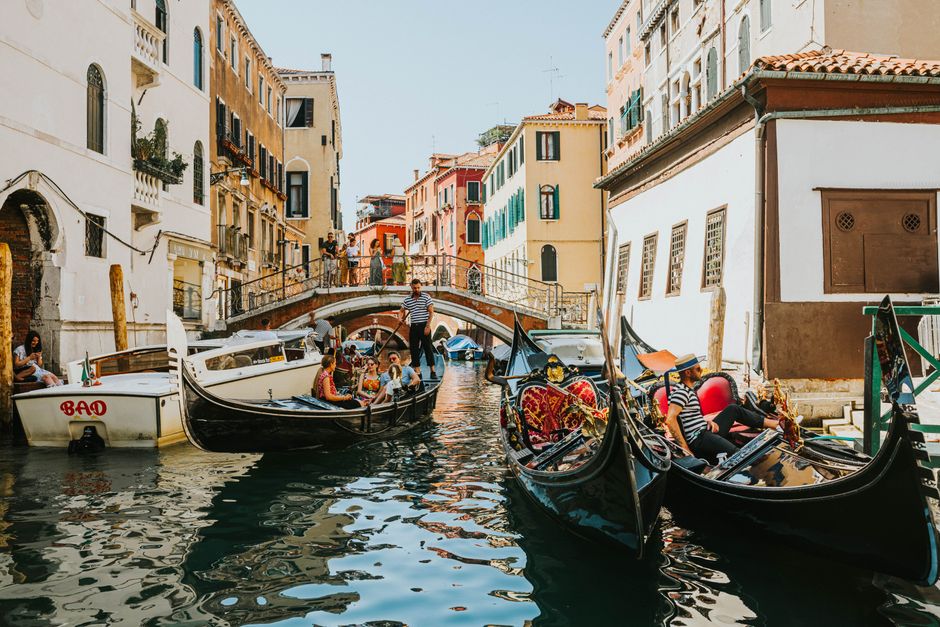
Venice, Amsterdam, and Reykjavik are nearly impossible on $50/day unless you stay in a hostel 30 minutes away and cook every meal. I skip these cities on a strict budget. Instead, I visit smaller alternatives: Ljubljana instead of Venice, Porto instead of Lisbon (yes, Lisbon is getting expensive), Gdansk instead of Amsterdam. The experience is similar, the price is half.
I’m still refining this system. Every trip teaches me something new — like how a Wise card (free ATM withdrawals up to $200/month) saves me from exchange rate fees, or how booking a hostel with a free breakfast saves $3/day. The $50 budget is a constraint that forces creativity. And that’s the real joy of traveling cheap.