A Seoul jjimjilbang can make an appealing stop when you want a bath, a warm place to unwind and somewhere inexpensive to rest. The awkward part comes when you arrive with a suitcase expecting a bed and discover that overnight access, sleeping space or luggage storage does not work as you imagined. A bathhouse visit and a night of accommodation are different plans, even when the same building can offer both.
For a first night, start with the practical questions before thinking about heated rooms or a long soak. You need permission to stay overnight, somewhere suitable to sleep, secure storage and a workable departure time. Once those details are clear, the bathing routine becomes much easier to enjoy.
Confirm that an overnight stay is actually possible
The word jjimjilbang does not promise a hotel room or even overnight admission. Facilities can combine baths, heated relaxation rooms and communal rest areas in different ways. A place described as open around the clock may still have restrictions on particular areas, admission times or how long one entry lasts. Ask the venue directly about your intended arrival and departure.
Make your question specific: can you enter that evening, sleep inside and leave the following morning? Then establish what that admission includes. A bath-only ticket may not cover the communal facilities you want, while a permitted overnight stay may involve an additional charge or a time limit. Request the complete amount and conditions before paying.
- Is overnight admission available on your chosen night?
- Which sleeping or rest areas will be open?
- Does admission expire after a set number of hours?
- Are there cleaning closures, morning clearance times or late-entry restrictions?
- Can you leave and return, or does exiting end your visit?
Save the venue’s name, address and any written reply on your phone. Check the entrance location too: finding the correct floor with a heavy bag is less enjoyable late at night. Keep a backup accommodation option in mind if admission depends on capacity rather than a reservation.
Understand the two different kinds of space
The distinction that matters most is between the wet bathing area and the clothed communal area. Bathing sections are generally separated by sex and used without swimwear. The shared relaxation spaces are typically used in the clothing supplied by the venue. Signs and staff instructions take priority over any general guide, so pause at the changing-room entrance if the layout is unclear.
Couples and friends may need to separate for bathing and meet again in the communal section. Agree on a meeting point before putting phones away. If you need particular changing arrangements, assistance or clarification about access policies, contact staff before travelling there. Do not assume that every facility can offer a private alternative.
A heated room is also different from a sleeping room. Some spaces are designed for short periods of relaxation, and overnight rest may be allowed only in designated areas. Ask where people may sleep and whether there are separate sleeping sections. You should not have to guess while carrying a mat past people already resting.
Check storage before handing over your bag
Pack as though you will be moving through changing rooms and shared corridors, rather than unpacking beside a bed. A small overnight bag is easier to manage than a large suitcase. Ask whether your luggage fits the lockers and whether oversized bags can be stored securely. Reception holding a bag is a separate arrangement worth confirming.
You may encounter a shoe locker near the entrance and another locker for clothes and belongings. Follow the system staff explain, and check that each locker actually closes and locks. Keep the key or wristband with you as directed. Ask what happens if it is lost, especially if it also records purchases inside.
Put your passport, wallet and travel documents away before bathing. Keep wet toiletries contained so they cannot leak over your clothes. Bring only what you need into each area, and avoid spreading possessions across benches. Communal seating is useful changing space for everyone, not an extension of your locker.
Follow the bathing routine without rushing
First, remove your shoes wherever the venue requires and change in the appropriate area. Before entering a soaking pool, wash thoroughly at the shower stations. The pool is for soaking after you are clean; it is not where you shampoo your hair or rinse off soap. Rinse the seat and nearby area after use, and leave the station ready for the next person.
Keep soap, washcloths and towels out of the soaking water. Tie up long hair so it stays out too. Move carefully on wet floors, enter hot water gradually and take a break if you feel uncomfortable. You do not need to try every pool or stay in a heated room simply because other visitors seem settled there.
Before returning to the changing area, dry yourself enough to avoid leaving a trail of water. Put on the supplied communal clothing before entering shared clothed spaces. If you are unsure where a towel belongs or whether a particular doorway leads to the baths, ask rather than following someone through.
Keep your phone and camera away in bathing and changing areas. Other guests are entitled to privacy, including in the background of a quick photograph. In communal areas, respect any photography rules and avoid capturing people who are sleeping.
Find out what sleeping there will feel like
Expect a shared environment unless the venue explicitly confirms otherwise. Rest may mean floor space with a mat and a small pillow, rather than a mattress, sheets and a door. Ask what bedding is supplied and whether sleeping places are allocated or taken as available. Admission alone may not guarantee your preferred spot.
Light, footsteps, conversations and snoring can affect your night. Earplugs and an eye mask are useful additions to a small bag, but they cannot create privacy. If you need reliable quiet, a supportive bed or a place to work early the next morning, compare the complete overnight cost with a hostel or guesthouse before deciding.
Choose a permitted sleeping space, keep walkways clear and take only the room you need. Lower your voice and silence notifications. Set a discreet alarm close enough to hear, then get up promptly when it sounds. Repeated snoozing travels surprisingly well across a quiet communal room.
Pack for the morning as well as the bath
Confirm whether towels, communal clothing and toiletries are included. Bring personal essentials in small containers and pack clean underwear for departure. A separate bag for damp items keeps your remaining clothes usable. If you wear glasses or need medication, think through how you will access them without repeatedly unpacking everything.
Ask how food, drinks and other purchases are paid for inside. Keep track of anything charged to a wristband or locker number, and allow time to settle the account when leaving. A visit feels less economical if you only discover the total at checkout.
Before sleeping, confirm the required exit time and your onward transport. Leave enough time to change, retrieve luggage and return keys or clothing as instructed. For your first visit, a morning without a tight connection gives you room to learn the routine. A jjimjilbang works best as an overnight choice when its actual facilities match your needs: a bath, a shared place to rest and clear terms for staying until morning.
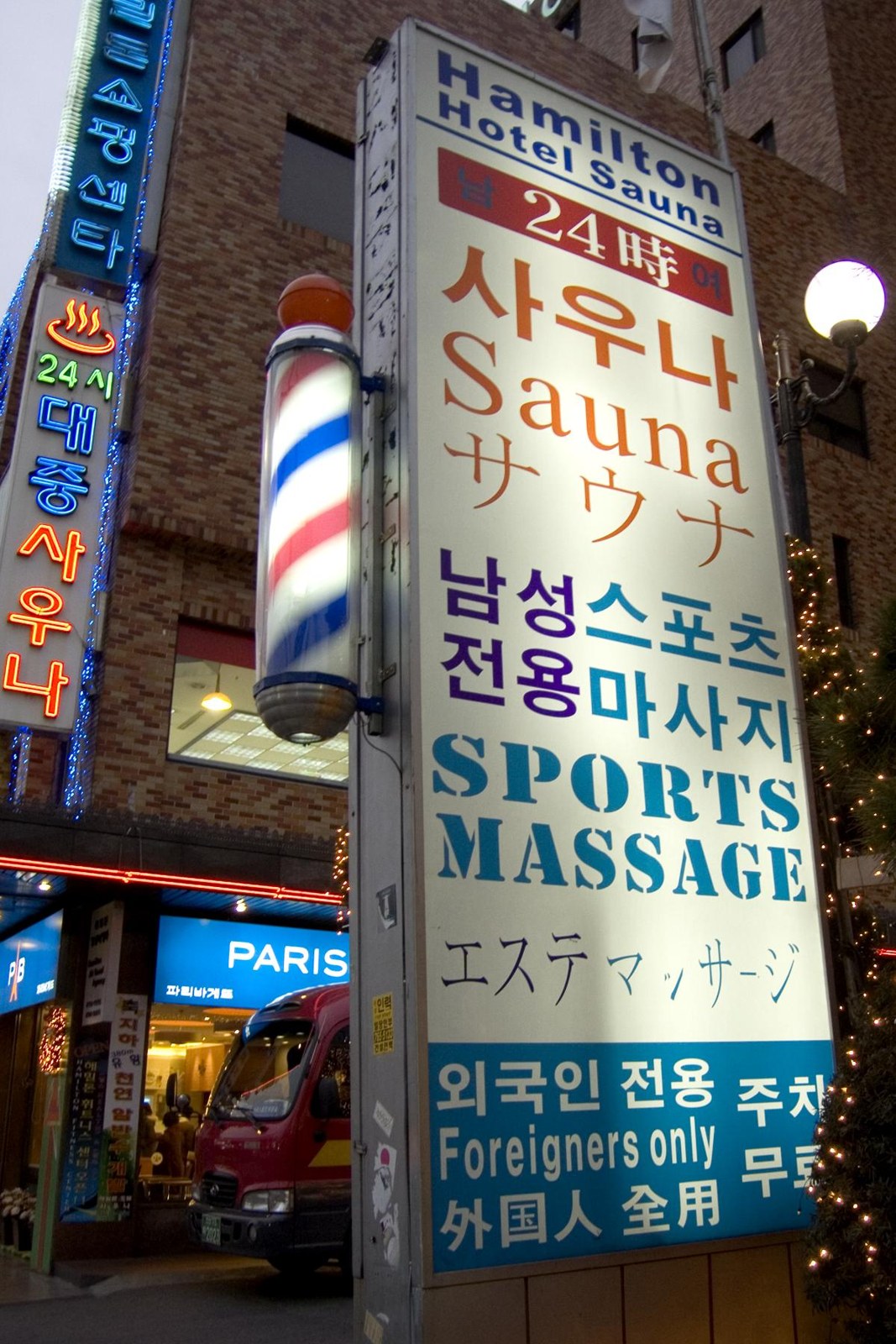
Featured image: Photo: Syced / Wikimedia Commons (CC0).