An apartment kitchen can make a Montreal stay feel easier: breakfast before heading out, somewhere to put market purchases, and a simple supper when you would rather stay in. But the word “kitchen” tells you surprisingly little about what you can actually cook. A handsome counter might hold little more than a kettle, while a modest kitchenette could cover every meal you have planned.
Before booking, picture the food you expect to prepare and ask the host about the equipment it needs. You are choosing a temporary home for your own routine. These questions help you work out whether the kitchen will support that routine, and whether self-catering will be practical once shopping, washing up and checkout are included.
What meals will this kitchen let you make?
Start with your likely menu. Coffee, toast and fruit require a different setup from pasta dinners or meals for a family. If your plan is mostly to enjoy Montreal’s food scene and eat breakfast at home, a small fridge and a few reliable appliances may be enough. If cooking is central to your accommodation budget, you need more detail.
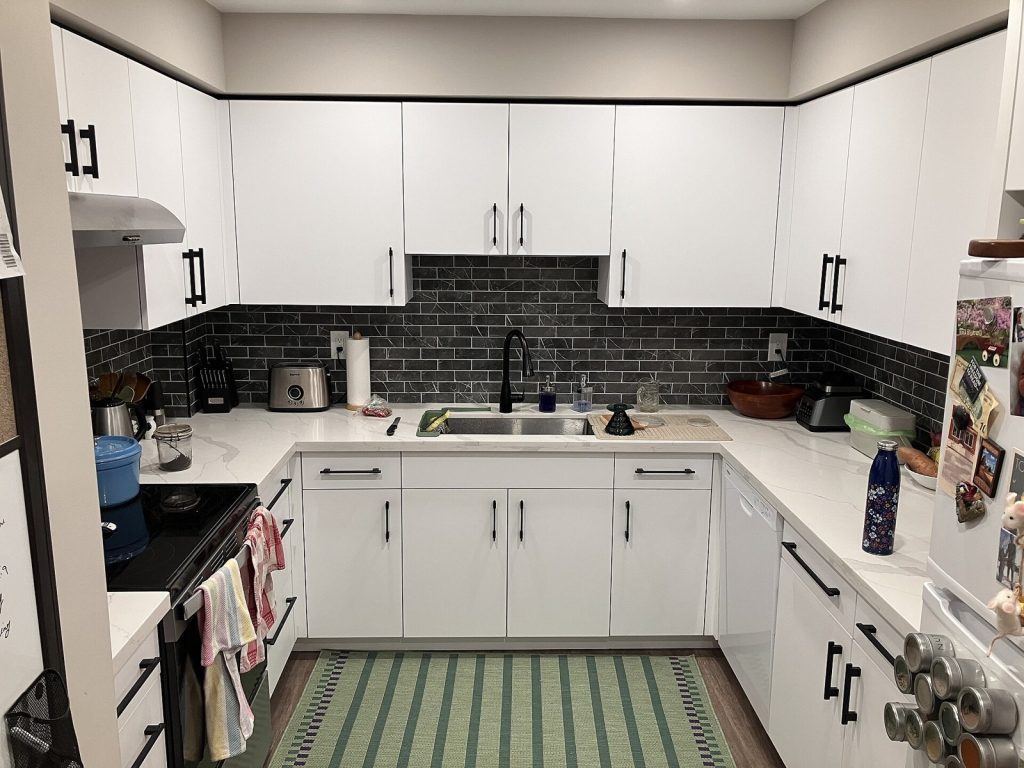
Ask whether the apartment has a full cooker, a separate hob, a countertop cooking appliance or just a microwave. Confirm the number of usable burners and whether an oven shown in a photograph is available to guests. An appliance tucked under a counter might be a dishwasher rather than an oven; a photograph alone can leave that unclear.
For an induction hob, ask whether compatible pans are supplied. For any unfamiliar appliance, request operating instructions. You do not want your first evening to disappear into figuring out the controls while your groceries sit on the counter.
Are the useful pots and utensils actually there?
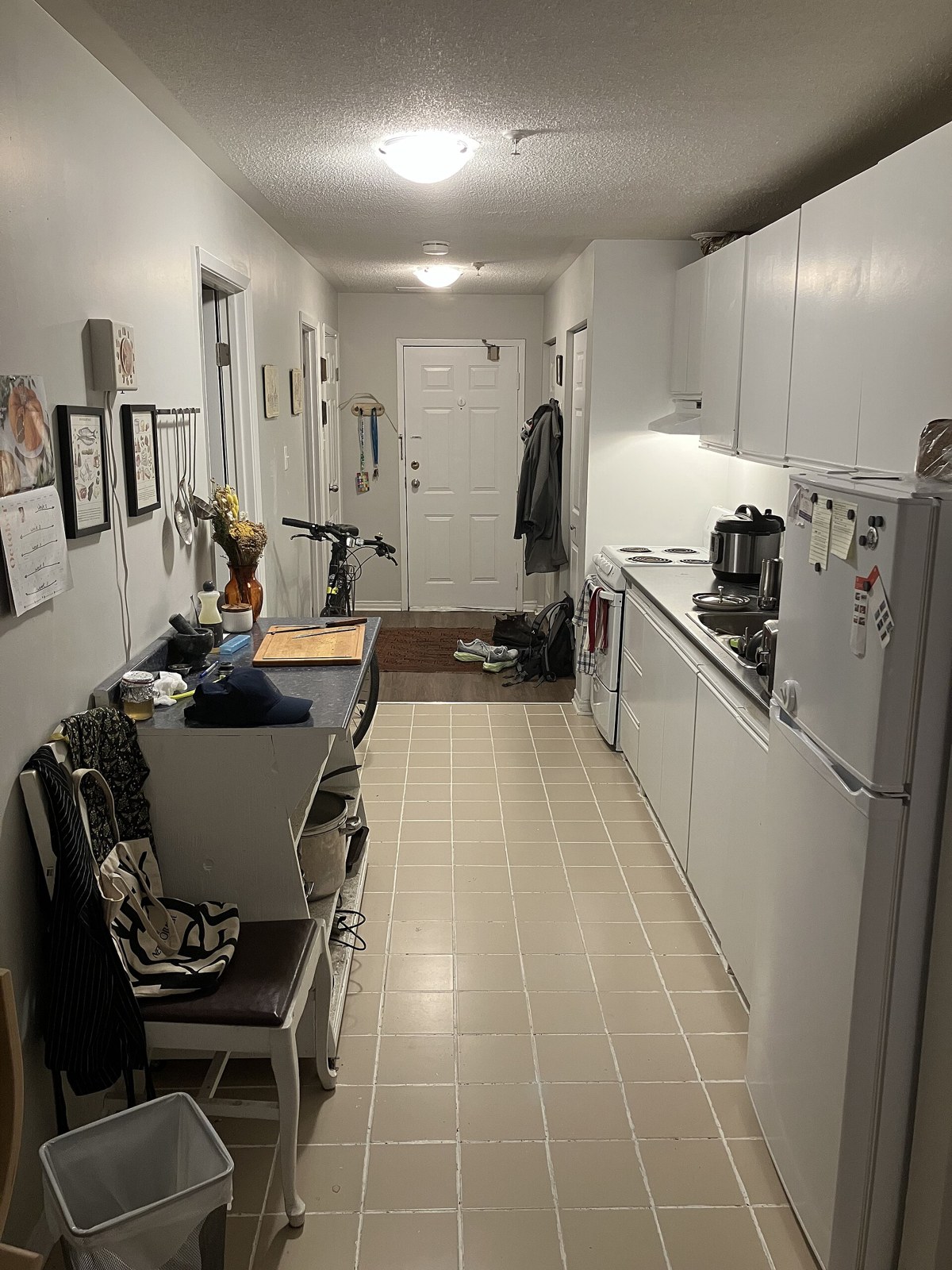
“Fully equipped” is a description worth unpacking. Ask for a short inventory or a recent photograph of the cookware cupboard. Match the contents to your meals: a saucepan with a lid, a frying pan, a colander and a chopping board can matter more than a long list of decorative serving dishes.
Check capacity as well as presence. A small saucepan may suit a solo traveller but make cooking for several people awkward. Ask whether there are enough plates, bowls, mugs and cutlery for everyone staying, including anything you need for children.
- For simple dinners: a usable knife, chopping board, saucepan, frying pan, stirring spoon and colander.
- For oven meals: a suitable baking dish or tray, plus oven gloves.
- For packed lunches: food containers or permission to bring your own reusable storage.
- For breakfast: the specific coffee maker, kettle or toaster you expect to use.
Ask whether damaged cookware is replaced and whom to contact if something essential is missing. If a kitchen photograph shows heavily worn pans, request clarification before committing. It is easier to choose another apartment now than to rebuild its kitchen from a shop after arrival.
How does the kitchen handle steam and cooking smells?
Ventilation deserves its own question, especially in a studio where the bed and cooking area share one room. Ask whether there is an extractor hood, whether it works, and whether it vents outdoors or recirculates air through a filter. These arrangements handle cooking air differently, so knowing the setup helps you plan suitable meals.
Check whether a nearby window opens and whether the host provides instructions for the extractor. Do not assume that air conditioning supplies kitchen ventilation. If you expect to fry food, ask whether that kind of cooking is permitted under the accommodation’s house rules.
Never cover or disable a smoke alarm to cook. If ordinary cooking produces excessive smoke, stop and contact the host about the appliance or ventilation. For a small apartment, you might choose gentler meals such as soup, pasta or reheated prepared food, provided the equipment supports them.
How much fridge space is yours?
A fridge in the listing may be a compact model with limited room once drinks and breakfast supplies are inside. Ask about its size, whether it has a freezer compartment, and whether it is private or shared. A photograph of the inside can answer more than the phrase “fridge included”.
For shared accommodation, clarify which shelves are allocated to you and how food should be labelled. In a private apartment, ask whether the fridge will be cleared of previous guests’ food. Do not build your meal plan around leftover condiments whose condition you cannot establish.
Also check that there is a clean preparation surface and somewhere to eat. A kitchen can have plenty of appliances yet very little space to chop vegetables or set down a hot dish. If the dining table doubles as a work desk, decide whether that arrangement suits your group.
Where will you buy groceries?
Ask for the nearest practical grocery shop and the walking route from the apartment. “Close to shops” could mean cafés and boutiques rather than somewhere selling ingredients for dinner. Request the shop’s name so you can check its location and opening hours yourself before travelling.
Think about the return journey with bags. Stairs, an uphill stretch or a longer walk may change how much you want to buy at once. If you arrive late, ask whether there is a convenient option for basic supplies, then confirm its hours nearer your arrival. Keep the first meal simple if shopping that evening is uncertain.
Jean-Talon Market and Atwater Market are examples of Montreal places you might include in a food-focused outing. Their usefulness for everyday shopping depends on where you stay, your route and what is open during your visit. Avoid choosing an apartment solely because a listing mentions a famous market; establish the actual journey with groceries.
Which basics are supplied, and who cleans what?
Small omissions can turn a short self-catering stay into an unnecessary shopping trip. Ask whether washing-up liquid, a clean sponge or brush, tea towels, bin liners and dishwasher detergent are supplied. If there is a dishwasher, check whether you are expected to run it before leaving or unload it as well.
Food basics need a separate question. Salt, oil, coffee and tea may be provided, but assume nothing until the host confirms. Ask what type of coffee maker is available before bringing coffee or buying incompatible capsules. For a short visit, choose meals that share ingredients so you do not need a cupboard full of supplies.
Read the cleaning instructions alongside any cleaning charge. Ask what condition the kitchen must be left in, where rubbish and recycling go, and whether the building has separate food-waste arrangements. Get the instructions for this particular accommodation instead of assuming the same system applies everywhere in Montreal.
Clarify what to do with unopened groceries and leftovers. Leaving food for the next guest may create work for the host, even when it feels generous. Knowing the checkout expectations also helps you plan your final breakfast without a last-minute rush to wash dishes and find the bins.
A short message to send before booking
You can keep the exchange focused by describing your needs rather than sending an exhaustive questionnaire. For example:
We plan to make breakfast and a few simple dinners during our stay. Could you confirm the cooking appliances, available pots and pans, fridge space and kitchen ventilation? We would also appreciate the nearest grocery shop and the kitchen cleaning instructions for checkout. Are washing-up supplies included?
Add any essential dietary or accessibility needs to that message. If avoiding an ingredient is critical, ask about shared equipment and cleaning arrangements; a private kitchen alone does not establish its previous use. Save the host’s replies with your booking details so you have the agreed information available on arrival.
Keep questions about whether the accommodation is authorised separate from questions about cookware. Do not treat a kitchen photo, an enthusiastic review or a host’s general assurance as proof of compliance with rental requirements. For the kitchen decision, look for concrete answers that fit your meals, shopping plans and willingness to clean. That is what makes an apartment useful for your Montreal stay.
Featured image: Photo: Gogerr / Wikimedia Commons (CC BY-SA 4.0).