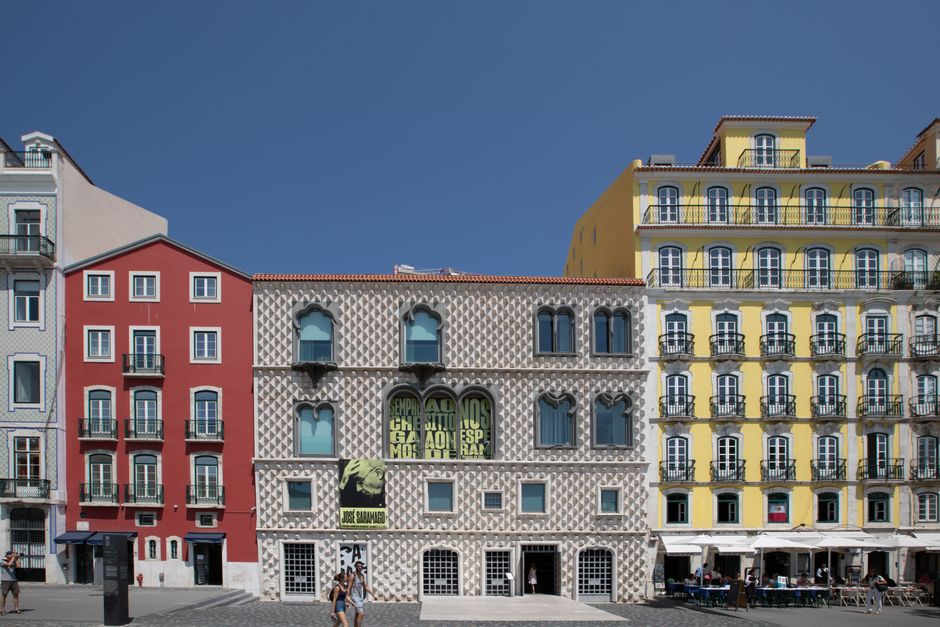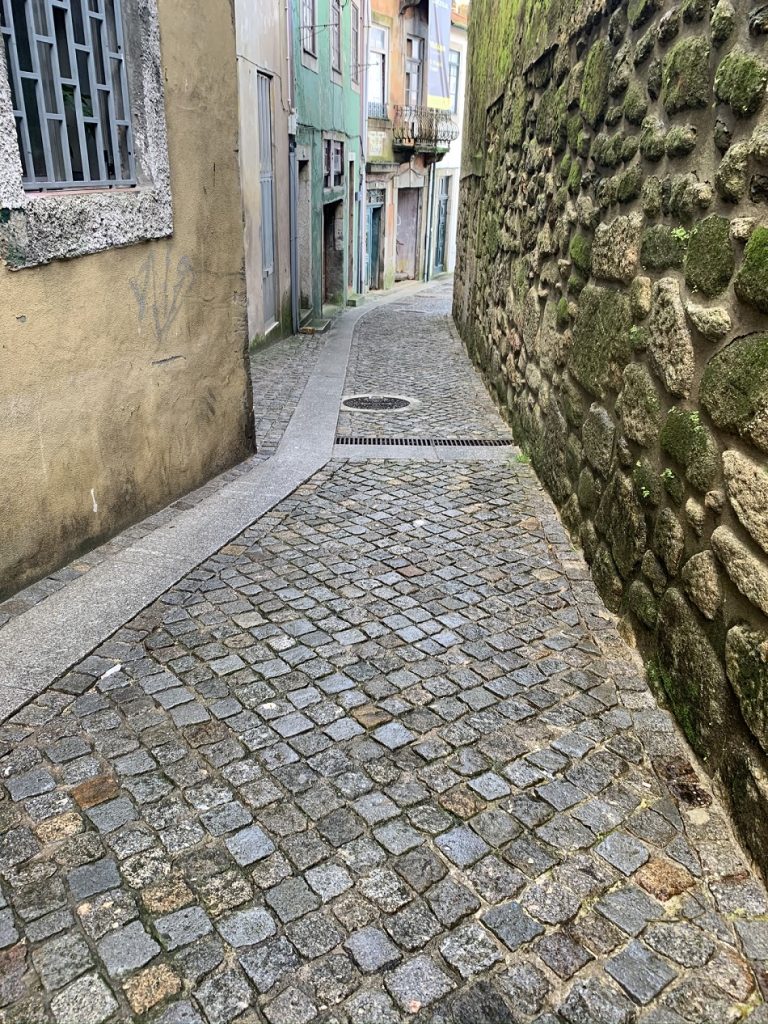
I love finding the best foodie spots when I go away, and I was especially looking forward to exploring Porto. Alongside trying the dishes on my own food list, I discovered a great way to eat like a local: the Porto Eating Europe Tour. It gave me a chance to look beyond the places I had already picked out and let someone else lead the way for a change.
Eating Europe runs walking tours where a local guide takes you to favourite food and drink spots. The beauty of this is finding places you might normally have walked past, while hearing about the city between stops. It is also a lovely way to meet like-minded people. If you are travelling solo, sharing a table gives you an easy way into conversation without having to organise a whole afternoon yourself.
Exploring Vila Nova de Gaia
I don’t want to spoil every detail, but these were the highlights of my experience. Our tour was actually in Vila Nova de Gaia, across the river from Porto. This suited me perfectly because I had spent the previous day exploring food spots on the Porto side. I loved discovering Gaia’s hilly cobbled streets and the old-world feel of its houses.
Check the meeting point carefully before you set off, especially if your accommodation is on the other side of the river. Looking at a map is useful, but leave room for slopes and finding the exact entrance. I would avoid squeezing another booking immediately before the tour: arriving flustered is no way to start a morning of eating.
Comfortable shoes are the most useful thing to bring. This is a walking experience with food stops, so choose something you are happy wearing on cobbles. A small bag leaves your hands free for pastries, and water is worth carrying between stops. Check the forecast before leaving your accommodation and bring a layer or rain protection as needed.
Pastries and coffee at the counter
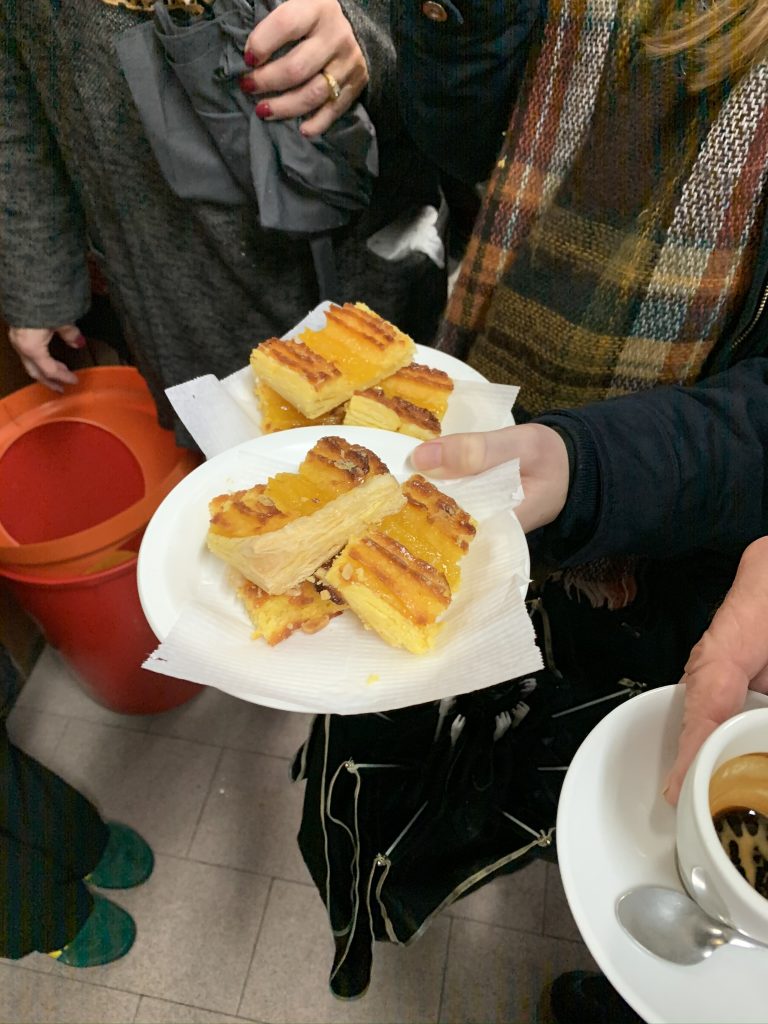
We met at breakfast and headed to a local bakery for Pastel de Chaves, sweet pastries and coffee. The savoury pastry reminded me of a pasty, with lovely flaky layers. It was exactly the sort of thing I would happily order again on another morning.
The cafe was seriously busy and had no tables or seats. Locals ordered their pastries and coffee, ate at the counter and headed off to the rest of their day. We moved on fairly quickly because it was so full, but seeing that everyday rhythm was part of the appeal.
If you return to a similar bakery independently, have a look at the display before stepping up to order and keep clear of the counter once you have finished. Don’t assume a busy little cafe offers a leisurely sit-down breakfast. You can enjoy a pastry there and find somewhere to linger afterwards.
Port tasting at Real Companhia Velha
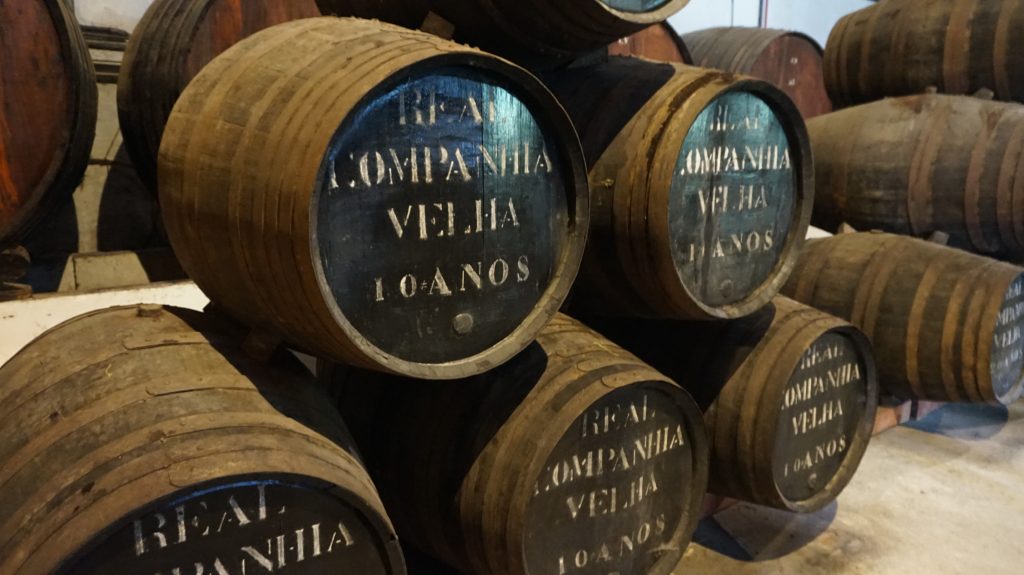
Next came a cellar visit and tasting at Real Companhia Velha. Having toured Cockburn’s the day before, I found it interesting to see another port company and hear about its approach. If you enjoy port, visiting more than one house can give you something to compare rather than feeling like a repeat of the same outing.
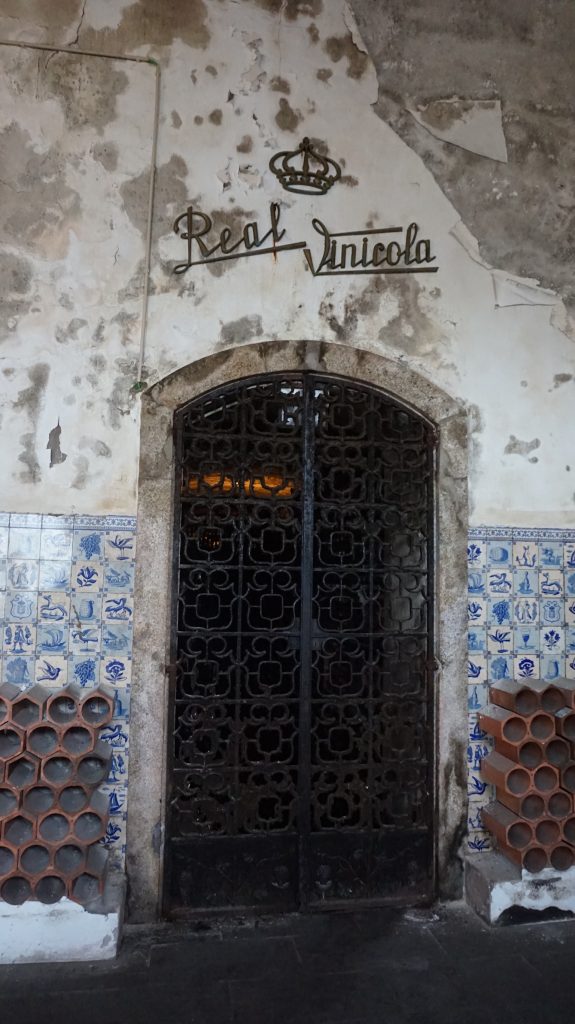
A particular highlight was seeing the owner’s private collection, tucked behind an old-looking door. The dusty, mould-covered bottles made it feel a world away from a polished tasting counter. That access was presented as a special part of our Eating Europe visit, and it made the stop memorable.
Special access and individual stops can change, so check what is included in the departure you book if the cellar is your main reason for going. During a tasting, I would ask what distinguishes the ports being poured and which one the guide would suggest drinking with food. Those answers are more useful for choosing a bottle later than trying to remember every detail of production.
Alheira and crisp, tender ribs
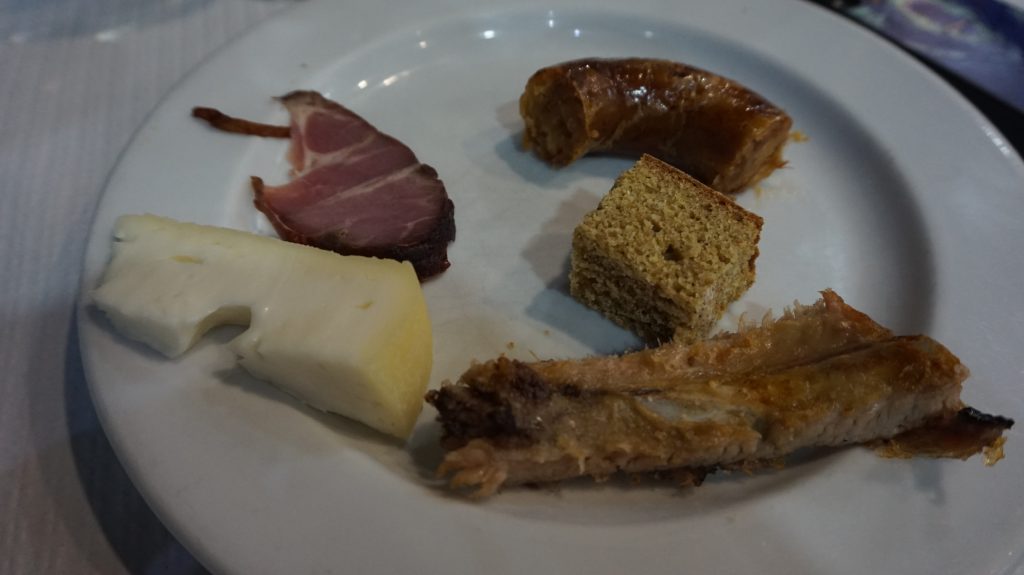
Our guide, Beatriz, then took us to a traditional restaurant to try alheira. The version we ate contained game and breadcrumbs, giving it a much softer texture than the sausages I usually eat. It was delicious, and a good example of why a food tour can tempt you into ordering something unfamiliar.
The ribs were salt-baked, crisp on the outside, with meat that fell off the bone. Between those and the alheira, this was a stop to savour rather than rush. Leave some appetite for the rest of the route, though: the early savoury dishes are only part of the experience.
If you avoid pork or have other dietary requirements, ask about the actual ingredients before tasting. A dish name or a story about its origins cannot tell you everything about the recipe on your plate. Mention allergies when booking and confirm them with the guide, including whether suitable alternatives are available.

Salt cod at a local deli
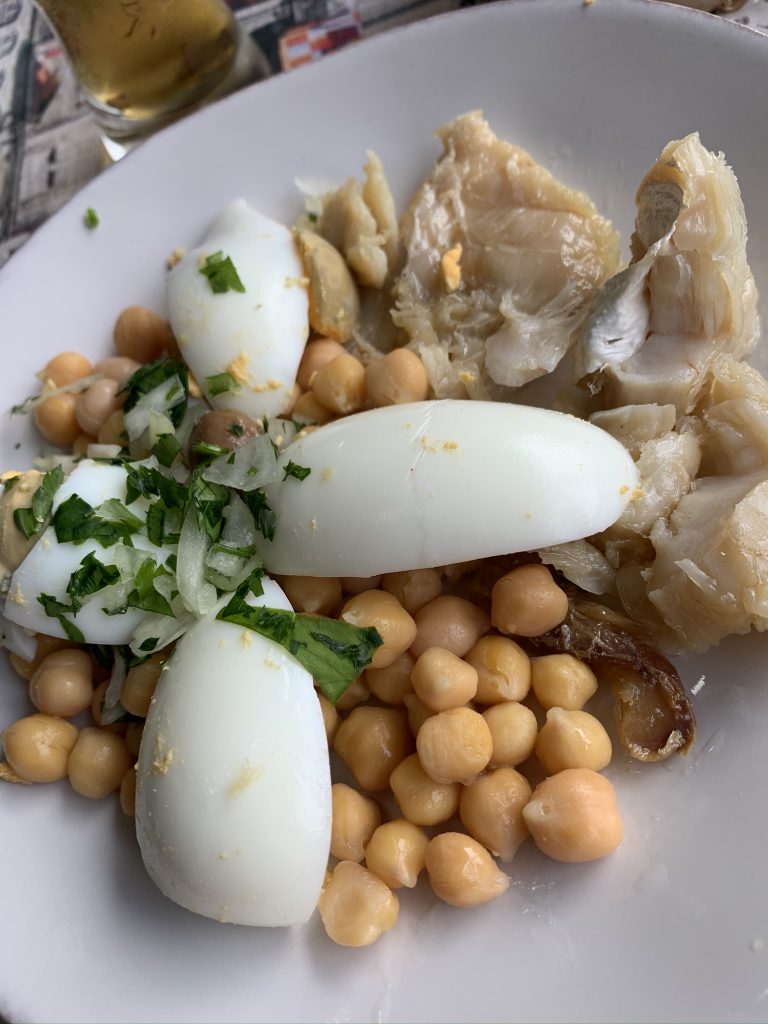
At a local deli we tried salt cod with chickpeas and egg. The owner showed us the giant cod head that the meat had been cut from, which certainly made the ingredient feel less anonymous than something arriving neatly plated at a restaurant.
This was a useful introduction to a dish I could look out for again. When something appeals to you, ask the guide to write down its Portuguese name or make a note yourself. Remembering only that you liked “the fish dish” makes it much harder to find a similar lunch later in the trip.
A different take on francesinha
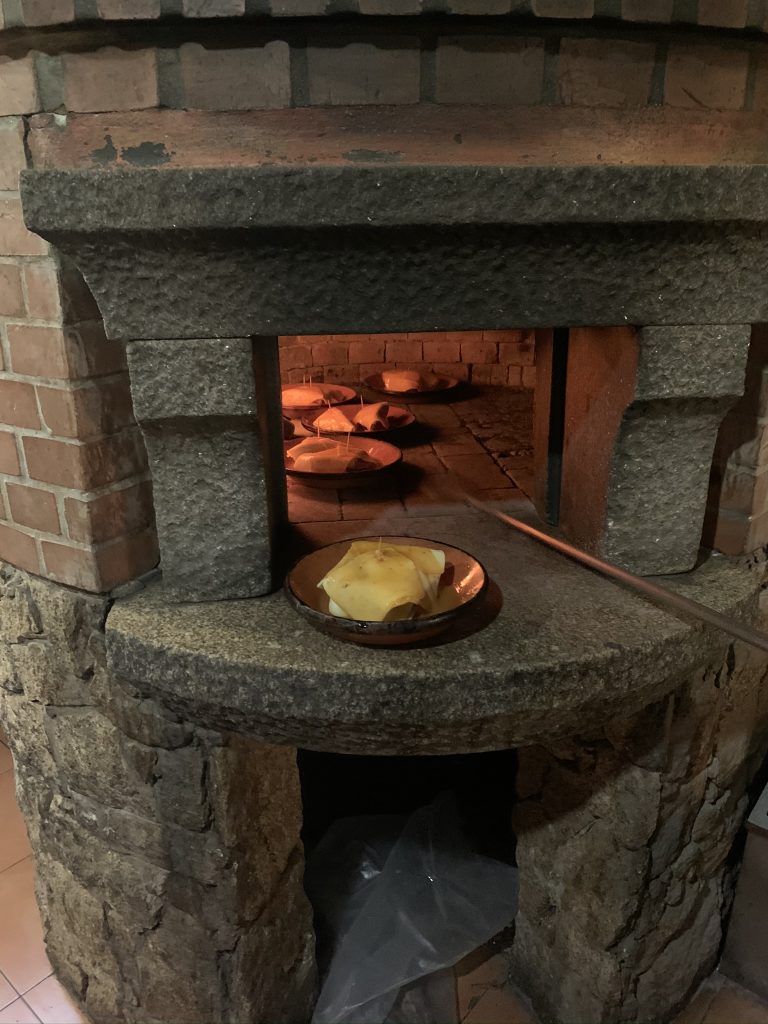
More francesinha followed, and we watched our food being cooked individually in the clay oven. The sauce here was a little blander and the steak well cooked, so I preferred the version I had tried earlier in my trip. It was still enjoyable: bread smothered in melted cheese is always going to have a head start with me.
Trying different versions is part of the fun. Pay attention to the sauce, the texture of the bread and how the filling works together, then decide what you like. One serving doesn’t have to settle your opinion of a whole dish. This is rich food, so pace yourself instead of treating each stop as a separate full meal.
Chocolate and cherry liqueur to finish
We ended at a local food market with different food and drink suppliers and shared places to sit. It reminded me of Mackie Mayor, although this felt bigger and offered more choice. It was a sociable setting for the final treat.
Brigadao’s little sweets were similar to truffles but softer in texture. Alongside them, we had chocolate cups filled with ginjinha, a sweet cherry liqueur. I enjoyed it so much that I bought a bottle after tasting it.
If you are tempted to do the same, think about carrying the bottle for the rest of your day and packing it for the journey home. If you don’t drink alcohol, check the tasting arrangements before booking so you know what to expect at both the cellar and the final stop.

Making the most of the tour
I would keep breakfast light beforehand and leave dinner flexible afterwards. Check the advertised inclusions rather than assuming every departure follows exactly the route I experienced. Ask about walking demands too if hills, standing at counters or steps could affect your enjoyment.
For a budget-conscious trip, consider how the tour fits alongside your other food plans and any separate cellar visits. The value for me was the combination of tastings, local guidance and discovering places I could return to independently. Note your favourites as you go.
We had a great day with Beatriz, learning about the food and people of Porto while exploring Vila Nova de Gaia. I would happily book another Eating Europe tour. It gave me both a sociable day out and the confidence to walk into more of those small, busy food spots for the rest of my stay.