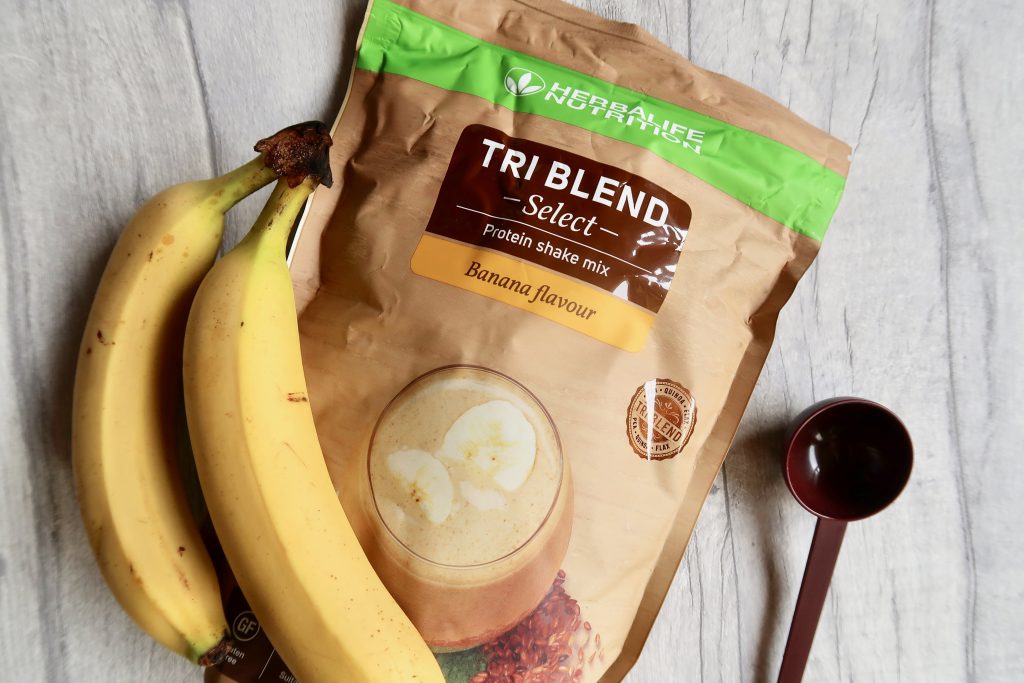
Bottom line first: this recipe works. It sets properly, hits a respectable macro profile, and costs roughly $0.90 per three-piece serving when you already own Herbalife Formula 1. That beats a $3.49 RXBAR at 12g protein and rivals a $2.99 Quest Bar on cost — while using whole-food ingredients with no artificial sweeteners.
Tested. Confirmed. Here is how to do it.
This is not nutritional advice. Consult a registered dietitian before making significant changes to your diet.
Why Afternoon Snacking Derails Most Fitness Goals
The scenario plays out the same way everywhere. You have eaten well all day — reasonable breakfast, decent lunch — and then 3pm hits. Airport terminal. Gas station. Hotel minibar loaded with $6 Snickers bars and $4 chips. One weak moment and you have added 400 empty calories with zero protein to justify it.
This is not a willpower problem. It is a planning gap.
Protein fudge fills that gap. It is sweet, dense, genuinely satisfying, and you know exactly what is in it because you made it. Commercial protein bars solve the same problem, but at $3–$4 each and with ingredient lists that run 25 items long, they are an expensive habit to maintain across a two-week trip.
One batch of this banana peanut butter fudge produces 12 pieces for roughly $5.50–$7.00 in ingredients, depending on peanut butter brand and whether you already own the protein powder. That works out to $0.46–$0.58 per piece. A three-piece snack costs less than a dollar.
Travel specifically creates nutritional dead zones — long layovers, road trip stretches with nothing healthy within 40 miles, hiking days where refrigeration is not an option. Protein fudge holds at room temperature for six to eight hours before the texture starts to suffer. That practical durability makes it genuinely useful for travel in a way that yogurt and grilled chicken are not.
Before the recipe, you need to understand what is actually in your protein powder. Not all protein powders behave the same way in no-bake recipes, and that difference matters more than most people expect.
What Herbalife Formula 1 Tri Blend Actually Delivers
What Does Tri Blend Mean?
Herbalife Formula 1 uses three protein sources: soy protein isolate, whey protein concentrate, and casein. That is the tri blend. Each plays a specific role in the recipe. Soy adds structure and density. Whey mixes cleanly and absorbs quickly. Casein is slow-digesting and — this part matters — thickens noticeably when wet and chilled.
That casein component is why Formula 1 behaves differently than a pure whey isolate like Optimum Nutrition Gold Standard Whey ($35 for 28 servings, 24g protein per scoop). Pure whey proteins often produce a sticky, gummy, adhesive texture in no-bake recipes. The casein in Formula 1 helps the fudge firm into something you can actually slice and stack.
How Many Grams of Protein Per Scoop?
One scoop of Herbalife Formula 1 delivers 9–11g protein at 90–130 calories, depending on flavor. Vanilla is the most neutral base for this recipe — it lets the banana flavor come forward without competition. Banana Caramel amplifies that direction if you want more intensity. Dutch Chocolate, while good as a shake, fights the banana in the fudge in an unpleasant way.
Two scoops — the amount this recipe calls for — delivers 18–22g protein from the powder alone before accounting for the peanut butter’s contribution.
Is the Price Justified?
Herbalife Formula 1 costs $45–$55 for 30 servings through authorized distributors. That is $1.50–$1.83 per serving. For context: Orgain Organic Protein Powder runs $32 for 20 servings ($1.60 per serving, 21g protein) and Optimum Nutrition Gold Standard Whey runs $35 for 28 servings ($1.25 per serving, 24g protein) — both available at Costco, Target, and Amazon without a distributor relationship or minimum purchase requirement.
The honest take: Formula 1 is competitively priced among premium protein powders, but it is not a bargain. If you already have it in the pantry, use it here. If you are buying protein powder specifically to make this recipe, Gold Standard Whey is cheaper and delivers more protein per scoop.
Bottom Line: Formula 1’s casein content gives it a genuine texture advantage in no-bake fudge. It is not worth buying just for this purpose if you do not already own it.
The Exact Recipe: Measurements That Work
Ingredients — Makes 12 Pieces
- 1 ripe banana (100–130g peeled weight, mashed completely smooth)
- ¼ cup (64g) natural peanut butter — no added sugar, no hydrogenated oil
- 2 scoops Herbalife Formula 1 Vanilla or Banana Caramel (approximately 50g total)
- 1 tablespoon coconut oil, melted
- ¼ teaspoon fine sea salt
- 1 tablespoon raw honey (optional — adds 64 calories and 16g sugar per full batch)
Steps — 12 Active Minutes, 2 Hours Chilling
- Mash the banana completely with a fork until no lumps remain. Lumps create uneven pockets in the finished fudge.
- Add peanut butter and melted coconut oil. Stir until fully combined and smooth.
- Sift both scoops of Formula 1 through a fine mesh strainer directly into the mixture. Sifting prevents clumping. Skipping this step is the single most common mistake.
- Add sea salt and honey if using. Mix until a thick, uniform dough forms.
- Press evenly into a parchment-lined loaf pan or 8×4-inch baking dish.
- Refrigerate for a minimum of 2 hours. Four hours produces a firmer texture that cuts cleanly without crumbling.
- Slice into 12 equal pieces. Store in an airtight container.
Refrigerated shelf life: 5–7 days. Room temperature durability: 6–8 hours before softening begins.
Macro and Cost Comparison Per Serving
A three-piece serving is the standard portion. Here is how it stacks up against common protein snack alternatives at full retail price:
| Option | Calories | Protein | Cost per Serving | Sugar |
|---|---|---|---|---|
| This recipe (3 pieces) | ~210 | ~14g | ~$0.90 | ~8g natural |
| RXBAR Peanut Butter Chocolate | 210 | 12g | $3.49 | 13g |
| Quest Bar Peanut Butter | 190 | 21g | $2.99 | 1g (artificial sweeteners) |
| Larabar Peanut Butter Cookie | 210 | 6g | $1.89 | 18g |
| Kind Protein Bar Peanut Butter | 250 | 12g | $2.49 | 6g |
The recipe wins decisively on cost. Quest Bar wins on protein density — 21g at 190 calories is the strongest macro profile in this comparison, though it uses sucralose and erythritol. Larabar’s 6g protein at 18g sugar is the weakest performer on both metrics. If sweetener tolerance is not a concern, Quest delivers better protein value per dollar. If whole-food ingredients with no artificial sweeteners matter to you, this recipe is the clear choice at this price point.
Bottom Line: This recipe is the cheapest option by a wide margin. It does not win on protein density — Quest Bar does at 21g. Choose based on your actual priority: lowest cost per gram of protein, or ingredient transparency.
Four Reasons Your Fudge Won’t Set
- Too much banana. A large banana at 150g or more adds enough moisture to prevent proper firming. Use a medium banana, 100–130g peeled. If it is very ripe and soft, use three-quarters of it and discard the rest.
- Wrong peanut butter. Skippy, Jif, and Peter Pan all contain added palm oil and sugar. The added fat alters the texture — greasy surface, loose structure, won’t hold shape after cutting. Use Justin’s Classic Peanut Butter, Smucker’s Natural, or any brand whose ingredient list reads only peanuts and salt.
- Skipping the sifting step. Protein powder clumps in storage. Those clumps stay clumps if you dump them straight into the mixture. You end up with dry pockets of powder surrounded by dense fudge. A fine mesh strainer and 30 seconds of sifting eliminates this entirely.
- Insufficient chilling time. Two hours is the minimum for coconut oil and casein to solidify together. At 90 minutes, the fudge crumbles when cut. If time is short, 45 minutes in the freezer works as a substitute, but the texture comes out slightly grainier than the refrigerator version.
A fifth issue worth flagging: using a pure whey isolate instead of Formula 1. Isopure Zero Carb or Gold Standard Whey both produce a stickier, chewier result — edible, but not the clean-cut fudge this recipe targets. The casein in Formula 1 is specifically what gives this recipe fudge-like behavior rather than producing a dense protein ball.
When to Skip Herbalife and Use Something Else
Use a different protein powder if any of these situations apply to you.
You need maximum protein per calorie. Formula 1 delivers 9–11g protein at 90–130 calories per scoop. Isopure Zero Carb Whey Protein Isolate ($55 for 3lb) gives 25g protein at 100 calories per scoop — significantly better math. The fudge texture will be stickier and chewier rather than firm and sliceable, but if peak protein yield is the priority over texture, Isopure is the stronger choice.
You have a soy intolerance or allergy. The tri blend contains soy protein isolate as a primary ingredient. Swap to a whey isolate (soy-free) or a plant-based blend. Orgain Organic Protein Powder ($30 for 2lb, pea and brown rice protein, 21g protein per serving) works well here. It produces a slightly earthier flavor that pairs naturally with banana and peanut butter — arguably more so than the vanilla soy-whey blend.
You are buying protein powder specifically for this recipe. Do not purchase Herbalife Formula 1 only to make fudge. The distributor-based pricing model and relationship requirements make it less cost-efficient than retail alternatives when you factor in the full purchase experience. Optimum Nutrition Gold Standard Whey and Orgain Organic are both available at Costco, Target, and Amazon with no membership or minimum order.
The Herbalife formula produces a good result. The reason it works is the casein and soy protein combination, which creates the right texture behavior in a chilled no-bake recipe — not any proprietary formulation. Other products with similar protein compositions will produce comparable results.
Packing Protein Fudge for Travel Days
Wrap individual pieces in parchment paper, pack them in a rigid container, and keep them in your carry-on — not checked luggage. Temperature swings in cargo holds will reduce them to mush. Room temperature holds the texture for six to eight hours, which covers any standard travel day, including long layovers and road stretches with no healthy food stops.
Make a batch the night before you leave. That 3pm vending machine problem at the airport disappears when you already have something in your bag.