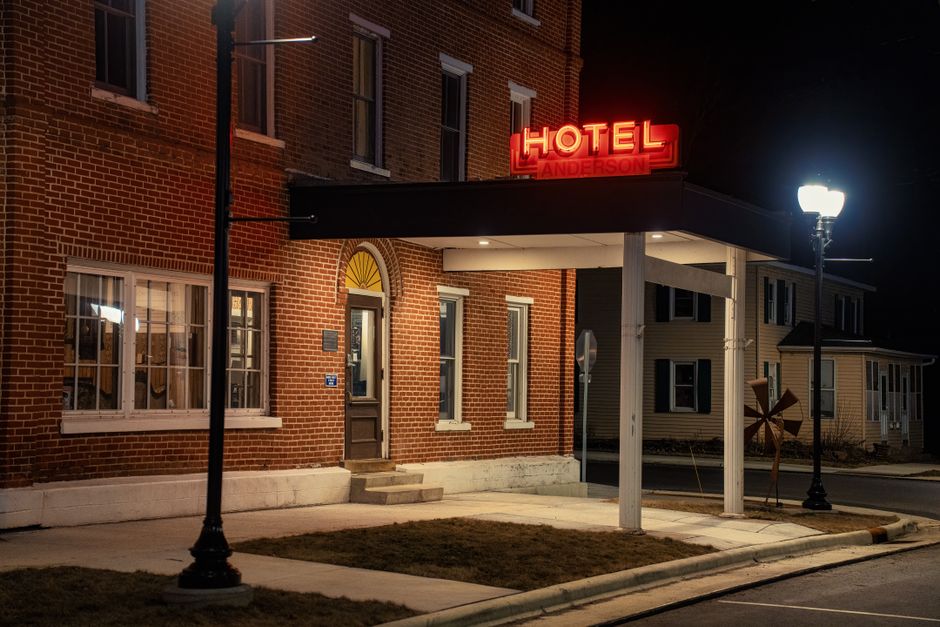
In Valparaiso, the distance between your accommodation and a place you want to visit tells only part of the story. A short route can include a steep climb, a staircase and another climb inside the building. When you are choosing somewhere inexpensive to stay, that last stretch matters as much as the room photographs.
I would start with one practical question: how will I get myself and my luggage through the actual front door? A hillside room can be a lovely base if the access suits you. A simpler room with an easier approach may be better value if you expect late arrivals, heavy bags or frequent trips back during the day. Before booking, work through the journey from your arrival point to your room.
Read the map as a route, not a radius
Valparaiso’s hills are central to its appeal, but they also make accommodation searches more complicated. A listing described as close to a viewpoint, restaurant area or central square may still sit above or below it. A map pin alone does not explain the effort involved.
Look at the streets immediately around the property and trace a possible approach from a road where a vehicle can stop. Check whether the final connection appears to be a street, pedestrian passage or staircase. Mapping tools can help you form questions, but ask the accommodation to confirm the usable route before relying on it.
Cerro Alegre and Cerro Concepcion are familiar names you may encounter while browsing. Treat them as starting points for comparing individual addresses, rather than guarantees of easy access. Two properties on the same hill can have very different approaches. Equally, a lower address deserves its own checks for noise, entrance access and transport convenience.
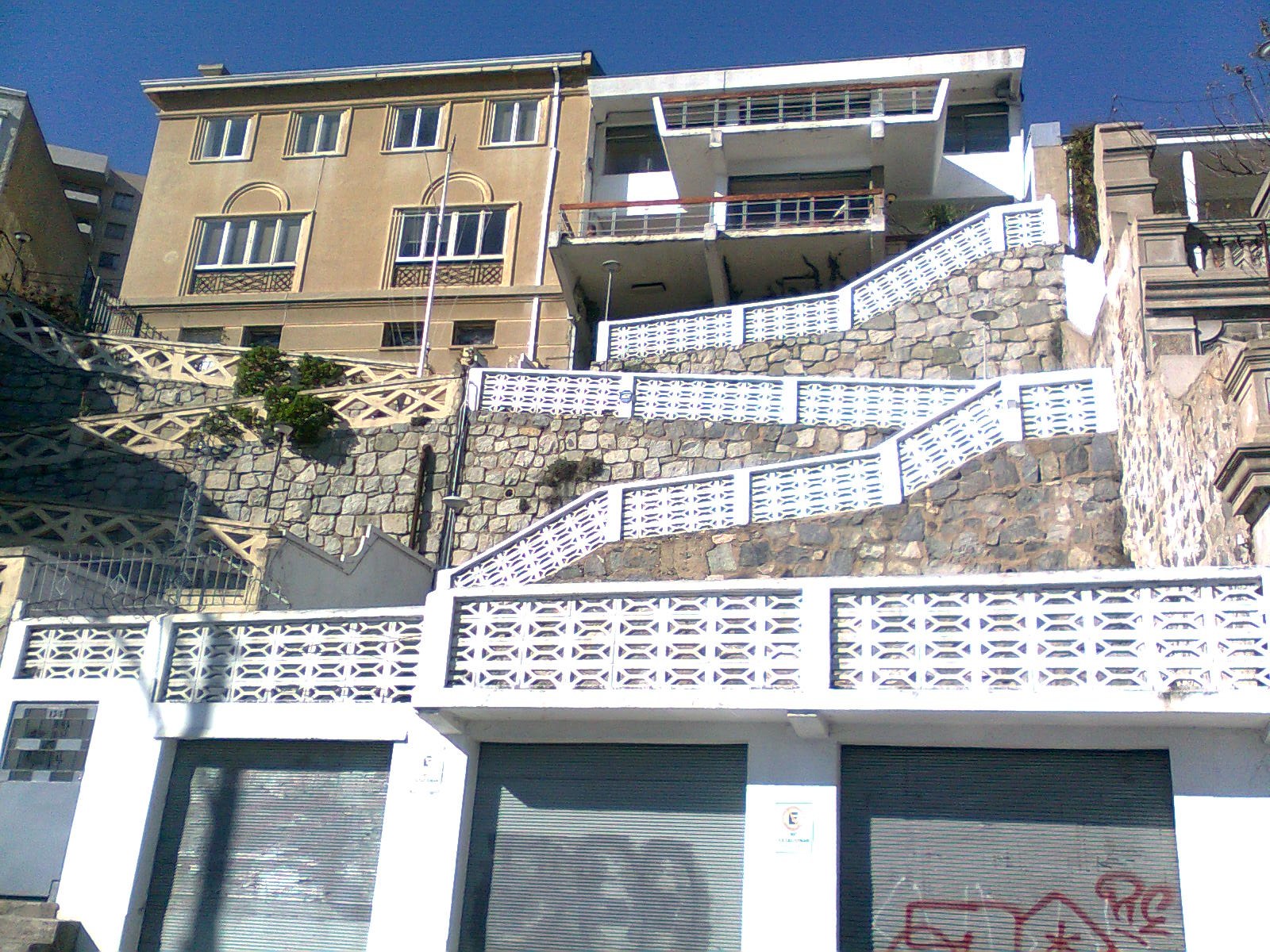
Ask where a vehicle can actually leave you
The most useful arrival detail is the nearest practical drop-off point. Ask whether a taxi or arranged transfer can reach the entrance with luggage, and whether the driver needs a particular approach. An address that looks straightforward in a booking confirmation may have its guest entrance on another side.
If a vehicle cannot stop at the door, ask what remains between the drop-off and reception. Request a description that distinguishes sloping pavement from stairs, and check whether you must cross a road or follow a passage. A phrase such as “a short walk” needs translating into something you can judge for yourself.
- Can a vehicle stop directly outside the guest entrance?
- If not, what is the recommended drop-off location?
- Are there unavoidable steps between that point and reception?
- Is there a longer route that avoids the staircase?
- Does the same route work when arriving after dark?
Save the confirmed directions offline, including the entrance description. If the host supplies a meeting point, make sure you understand how to recognise it. Do this before travelling, while you have time to resolve an unclear answer.
Separate street access from room access
Getting to reception does not necessarily mean the climbing is finished. Ask which floor your room occupies, whether there is a working guest lift, and whether stairs are required before reaching it. A building can have an easy entrance and an awkward route to the room.
For a wheeled suitcase, ask about narrow flights, landings and any outdoor steps. For a backpack, consider whether you can comfortably carry it uphill after your journey. If luggage assistance is available, confirm when someone can provide it and whether there is a charge. Avoid building your arrival plan around help that has only been vaguely mentioned.
If you need step-free access, be specific about the whole journey: drop-off, threshold, reception, room and bathroom. Ask about door widths or other requirements that matter to you. A listing’s general accessibility label is not enough to establish that a particular room will work. Written confirmation and recent photographs can make the conversation much clearer.
Check everyday transport separately from arrival
You might reasonably pay for a direct ride with luggage, then use other transport once settled. Those are different journeys. Ask the host how guests usually reach the property during the day and return in the evening, including the final walk from the suggested stop.
Valparaiso’s hillside ascensores may be part of a proposed route. If your choice depends on one, confirm its current operation and hours with the accommodation before booking, then check again close to arrival. Establish an alternative for when it is unavailable or when you return after its operating hours. Do not assume a route shown in an old review will remain usable.
For a bus or other suggested service, request the boarding and alighting points, how to recognise the correct direction, and the walk at each end. You do not need to memorise the city’s transport network. You need a workable route for your address and a fallback you can afford and manage.
Make evening arrival an explicit arrangement
A hillside stay deserves a clear check-in plan when you expect to arrive in the evening. Tell the accommodation your likely arrival window and how you are travelling. Ask whether reception will be staffed, whether someone meets you, or whether entry uses a key box or another self-check-in method.
Get the instructions before departure. Confirm which door to use, how to identify the property and whom to contact if your transport is delayed. If the host needs a message shortly before arrival, establish what happens if you have no mobile data or your phone battery runs low.
Ask the host to recommend an evening approach from your arrival point. Choose a route you can follow without exploring unfamiliar shortcuts with luggage. Keep the address, contact details and entry instructions accessible offline, and leave enough time to deal with a missed connection without losing your agreed check-in arrangement.
Compare the cost of staying, not just sleeping
A cheap room becomes less attractive if its location leads you to take rides you had not planned for. Before choosing between properties, consider your likely arrival journey, evening returns and departure. Request any accommodation-arranged transfer quote directly, including what it covers, rather than assuming it is included.
Think about your daily routine too. If you like returning for a rest before dinner, you will repeat the approach more often than someone who stays out all day. Ask where you can get breakfast or basic groceries without another demanding climb. Kitchen access can be useful for keeping food spending manageable, provided shopping and carrying supplies are practical.
Also check whether luggage storage fits your departure plans. Leaving a bag after checkout helps only if collecting it does not create an awkward uphill detour before your onward journey. Ask about collection hours and where you can meet your departure transport.
Send one clear message before committing
You can gather most of the essential information in a short enquiry. Include the luggage you will have and any limits on stairs, rather than asking only whether the property is easy to reach.
We are considering a stay and expect to arrive in the evening with wheeled suitcases. Can a taxi reach your guest entrance? Please describe any unavoidable stairs from the drop-off to reception and from reception to the room. Which approach do you recommend after dark, and how would check-in work if we are delayed? We would also appreciate an alternative route if the usual hillside transport is unavailable.
Judge the reply by how clearly it answers your needs. “Easy access” is less useful than a description of the entrance, steps and check-in arrangements. If an essential detail remains unclear, resolve it while you can still choose another property.
The right base in Valparaiso is one whose approach fits your trip. Once you know how to reach the door, carry your bags, return in the evening and leave again, you can enjoy choosing the room for its character and comfort.
Featured image: Photo: Alexxxos / Wikimedia Commons (CC BY-SA 3.0).