An early start can change the feel of a Tucson stay. You can get outside while the day is still gathering heat, eat breakfast without rushing and return to your room before an outing becomes an endurance exercise. The trick is to choose accommodation that supports that rhythm. A cheap room is less useful if it leaves you driving across town before breakfast or waiting in the sun for your next connection.
I would plan the morning first, then work backwards to the bed. Decide what you want to do soon after waking, how you will reach it and where you will recover afterwards. In Tucson, shade, breakfast preparation and a comfortable afternoon base deserve as much attention as the room rate.
Build a day you actually want to repeat
Start with a simple pattern: wake, eat something, make one main outing, then return for lunch and rest. Leave the afternoon flexible and consider another short excursion towards evening. You do not have to fill every cool hour with activity, especially on your first morning after travelling.
For a September stay, avoid treating an early departure as a guarantee of comfortable conditions. Check the forecast before each outing, including any storm warnings, and adjust your plans. A morning in a shaded courtyard calls for different preparation from a walk on exposed desert ground. Let conditions decide the length of your day, rather than protecting an ambitious itinerary.
Choose one morning priority per day. That might be exploring streets downtown, visiting a cultural attraction when it opens or heading towards a desert landscape. If your chosen attraction opens later, use the early hours for breakfast and a gentle local walk instead of arriving at a locked entrance.
Choose a base around your first journey
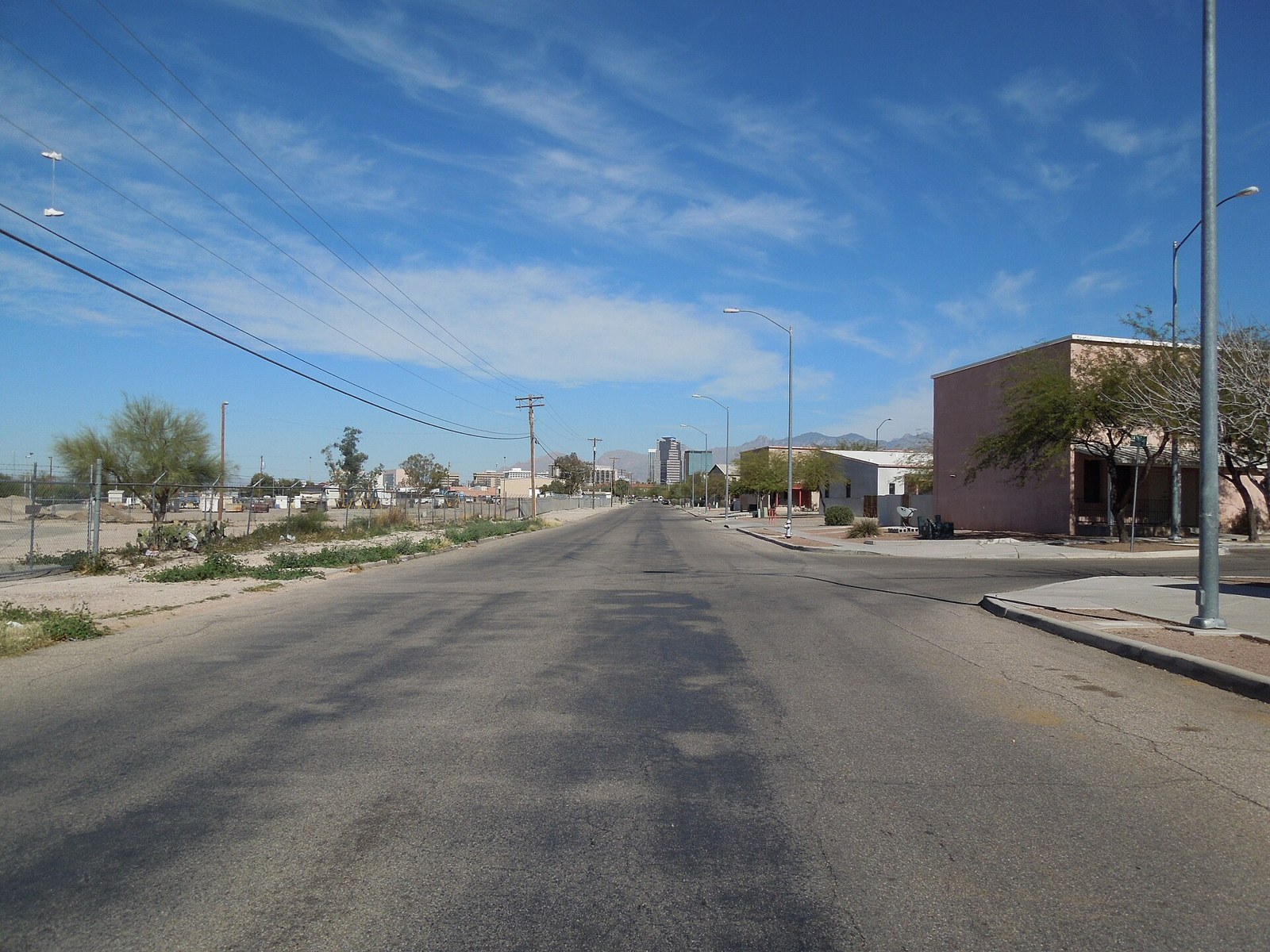
Tucson is spread out enough that being “in Tucson” tells you little about the journey from your room to your plans. Put the accommodation and your likely destinations on the same map before booking. Look at actual road routes and walking connections, rather than judging convenience by a straight line.
A downtown base can make sense for mornings focused on central streets, food and cultural stops. Somewhere around the University of Arizona may suit a stay built around the campus and nearby neighbourhoods. Accommodation farther out may work better for a particular driving route, but it can add journeys for meals and evening activities. These are starting points for comparing locations, not promises that every property in an area will suit you.
If Saguaro National Park is part of your plan, note that its eastern and western districts are separate destinations. Choose which side you intend to visit before assessing a room’s location. Trying to cover both simply because they share a name can turn a relaxed morning into a day spent crossing the city.
Look for shade where you will use it
A pool photograph does not tell you whether there is somewhere comfortable to sit. Look closely for covered seating, trees, umbrellas and shaded routes between the room, reception and parking. Shade shifts through the day, so a bright courtyard in a photograph may offer little shelter at the time you expect to return.
Ask practical questions that descriptions often miss. Is there covered outdoor seating in the afternoon? Does the room have effective blinds or curtains? Is the air conditioning controlled in the room? If you are a light sleeper, ask about rooms away from entrances, shared gathering areas and busy roads.
For an early routine, a quiet room may be worth more than a larger room. You need to sleep early enough to enjoy waking early. Check whether you can leave and re-enter easily before reception opens, and whether collecting a parked car requires any staff assistance.
Make breakfast possible before anything opens
Do not assume an included breakfast will fit your departure time. Confirm when service begins and what is actually provided. If breakfast starts after you want to leave, treat it as an optional benefit rather than a reason to pay more.
A refrigerator and a small preparation area can make a modest room much more useful. Confirm that the refrigerator is available for your groceries, rather than filled with chargeable items. If you need a kettle, microwave or utensils, ask specifically; “kitchen facilities” can describe very different arrangements.
For a simple first breakfast, buy familiar foods that need little work: bread, fruit, oats or something ready to eat. Only buy chilled items if you have suitable storage. Prepare what you can the evening before, fill your water bottle and leave your bag ready. You can enjoy a more leisurely meal later without making your departure depend on finding an open café.
Check transport at the hours you need it
A location that works at midday may feel quite different before sunrise. If you intend to use buses or the streetcar, check the current timetable for your exact day and direction. Include the walk to the stop, the wait and the final stretch to your destination. A route passing near a property does not automatically make an early outing convenient.
If you will drive, confirm parking arrangements and include any parking charges in your accommodation comparison. Consider how easily you can load water and breakfast supplies, and whether you will return to a shaded space. Never leave perishable food in a parked car while you explore.
For taxis or app-based rides, allow some flexibility rather than building a tightly timed morning around immediate availability. Arrange a clear pickup point. For walking, inspect crossings and pavements as well as distance: a short route beside a broad road can be less appealing than a slightly longer route through quieter streets.
Give midday rest a proper place
The room is part of your itinerary if you intend to spend the hottest stretch there. Read the description with that in mind. A chair, a usable table, reliable cooling and curtains that darken the room can matter more than decorative extras. Shared accommodation can work, but check whether there is a quiet indoor space when your bed area is busy.
Plan lunch before leaving in the morning. Keep suitable food in the room or identify a convenient stop on the way back. Returning tired and hungry, then setting out again to solve lunch, undermines the point of a restful afternoon.
Your arrival and departure days need their own version of this plan. Check-in may be too late for a midday break, and luggage storage does not provide somewhere to rest. Ask about timing before booking and identify an indoor alternative with confirmed opening hours. Keep those days lighter if you cannot rely on having the room.
Compare the whole stay, then leave some space
When comparing accommodation, add compulsory charges, parking, breakfast arrangements and likely transport costs to the room price. Also consider what each location asks of your time. A lower rate can lose its appeal if every morning begins with a complicated journey and every afternoon requires another trip for food.
- Before booking: map your main morning destination and confirm cooling, shade, breakfast facilities and access hours.
- On arrival: buy simple supplies, check the next day’s conditions and prepare your morning bag.
- Each evening: choose one main outing and decide when to turn back or finish.
- Each afternoon: leave room for lunch, sleep or quiet time without feeling obliged to add another attraction.
The best-fitting Tucson base makes the ordinary parts easy: sleeping, getting breakfast, leaving smoothly and returning comfortably. Once those pieces work, an early morning becomes a pleasure you can sustain throughout the trip.