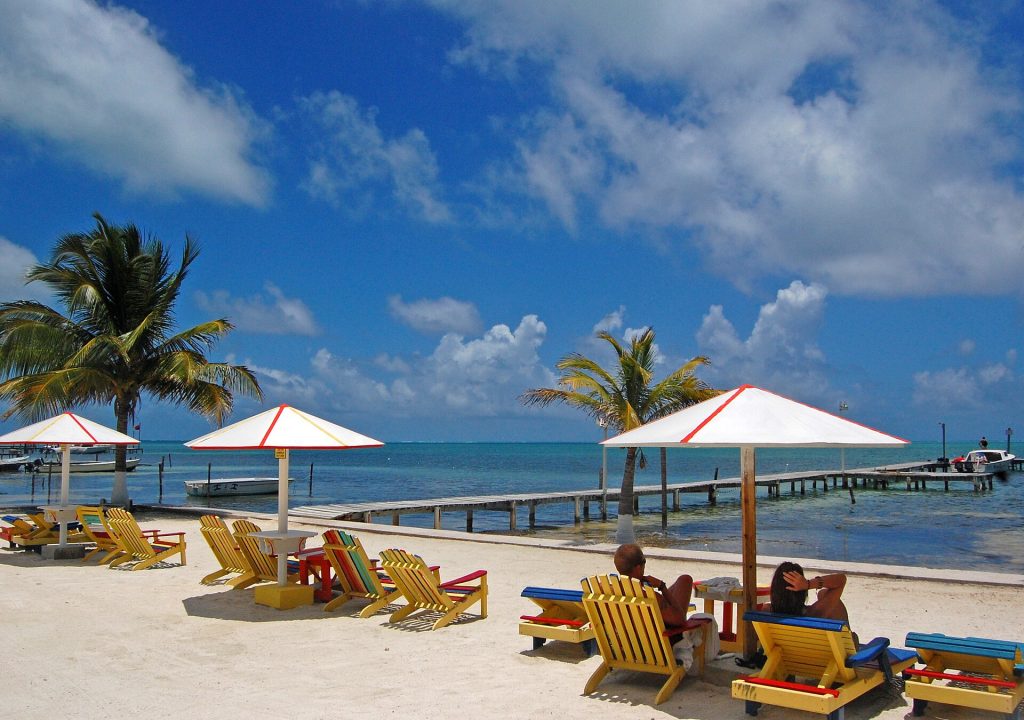
A quiet stay on Caye Caulker starts with questions that booking photographs rarely answer. A hammock looks inviting, but it tells you little about music through the bedroom window, the walk from your arrival dock or whether you can shower after a boat trip on departure day. For a small guesthouse, those details can matter more than a sea view.
I would choose a room here by working backwards from bedtime, arrival and departure. Decide how you want those moments to feel, then ask the host to explain how the property handles them. You can keep accommodation spending under control without accepting a room that makes sleep or luggage arrangements a daily negotiation.
Locate the room, not just the guesthouse
Start with an exact map pin and ask which building contains the room you would receive. A property name or a broad location description leaves too much open. If accommodation is spread across several buildings, the photographs of a waterfront terrace may not show where you will actually sleep.
On Caye Caulker, the Split is a useful public landmark when discussing location. However, being near a familiar landmark does not establish whether a particular room is quiet. Ask about the neighbouring businesses, the direction the bedroom faces and the route back after dinner. A room facing an internal courtyard may have a different sound environment from one facing a gathering place.
Be especially clear about whether the property is on the same side of the Split as your arrival point and evening plans. If your route involves a separate crossing, establish who operates it, when it is available and how you would return later. Treat that connection as part of the accommodation decision.
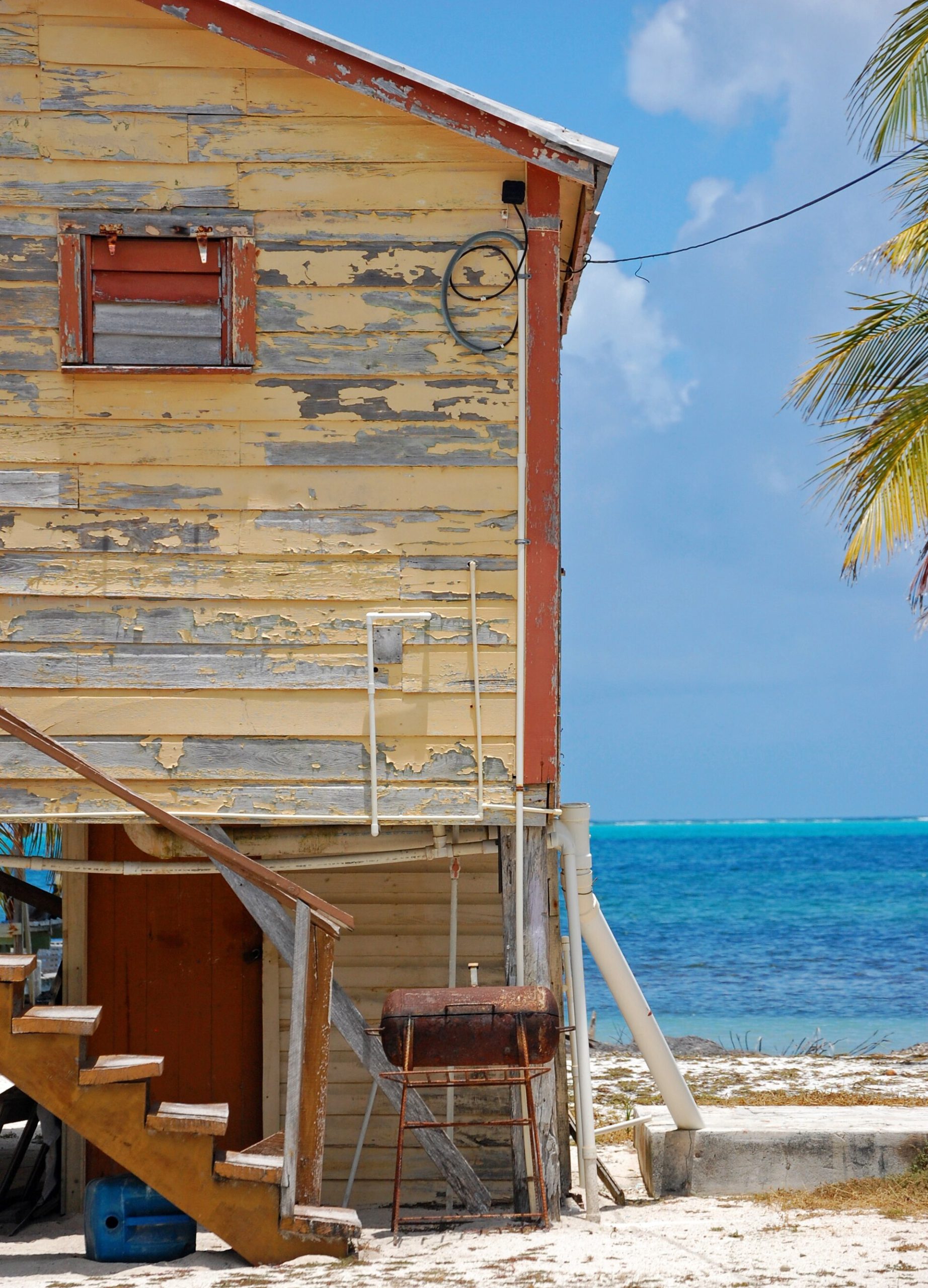
Check access from your actual arrival dock
Send the host the name of your boat operator and ask which arrival dock to expect. Do not assume that every passenger service or excursion uses the same boarding point. Once you have that information, request walking directions from the dock to the guesthouse entrance, including any separate transfer.
The useful question is not simply whether the property is close. Ask what the route is like with your luggage: sandy stretches, uneven surfaces, steps and any awkward final approach. A manageable walk with a backpack can be frustrating with a heavy wheeled suitcase, particularly after rain.
- Can you reach the guesthouse directly from the arrival dock without another boat?
- Is the entrance clearly marked, and who will meet you if reception is unattended?
- Can the host arrange luggage assistance, and is there an additional charge?
- What should you do if your boat arrives later than expected?
A private dock deserves its own questions. Ask whether it is suitable and authorised for your intended pickup, whether your operator agrees to use it, and whether access is shared with other guests. A dock shown in photographs may be a place to sit rather than an alternative arrival point.
Ask about nightlife in terms of your bedtime
“Quiet” is a personal judgement. A host who considers music finishing before midnight reasonable may be answering honestly, while you are hoping to sleep much earlier. Give your intended bedtime and ask what can usually be heard inside the allocated room at that hour.
Ask specifically about nearby bars, amplified music, shared terraces and late arrivals. Noise can also come from a communal kitchen beside the bedroom or guests talking outside your door. A guesthouse away from evening venues can still have lively common areas, so location alone is not enough.
Read available guest comments for descriptions of sleep, then ask the host about any recurring issue. Comments describing a particular room or window position are more useful than a general label such as peaceful. If the property has several room types, confirm that any reassurance applies to yours.
Make a quiet-room request precise
Request a room away from communal seating, entrance gates and neighbouring music where possible. Ask whether that allocation can be confirmed or is only a preference. If you are booking a fan room and expect to sleep with windows open, mention that too: a room that feels quiet behind closed windows may not suit your plan.
Understand how the room stays cool
Cooling is both a comfort issue and a booking-cost issue. Check whether your selected rate includes air conditioning, a fan or both. Do not rely on a general amenities list: it may describe facilities available in only some rooms.
For air conditioning, ask whether you control it yourself and whether overnight use is included without restrictions. Establish any separate charge before comparing accommodation totals. If the unit needs a key card or only operates while you are present, you will also know what to expect when returning from a day out.
For a fan room, ask about screened opening windows, airflow and the position of the fan relative to the bed. A ceiling fan in a photograph does not explain whether outside air can circulate. Upper-floor rooms may offer useful airflow, but ask about shade and direct afternoon sun rather than assuming height guarantees comfort.
Cooling and noise should be assessed together. If you need closed windows to sleep comfortably beside evening activity, a fan-only room may be a poor match. If you prefer open windows, intact insect screens and a room away from shared walkways become particularly valuable.
Arrange checkout around your boat day
A departure-day snorkelling or sailing trip can leave an awkward gap between giving up your room and leaving the island. Before booking the excursion, compare its expected return time with checkout, luggage collection and your onward boat’s boarding requirements. Leave room for a late return without relying on a perfect connection.
Ask the guesthouse to separate three arrangements: luggage storage, bathroom access and continued room use. Permission to leave a bag does not necessarily include a shower, towels or access to the property after reception closes. Late checkout may depend on the next arrival and should not be the foundation of your departure plan unless confirmed.
- Where will bags be stored, and who can access that space?
- Can you collect them at the time your excursion is expected to return?
- Is there a shower or changing area after checkout, and does using it cost extra?
- Where can wet swimwear go without soaking the contents of your luggage?
If those arrangements are uncertain, move the longer excursion to an earlier day. Keeping departure morning simple may be worth more than squeezing another activity into the itinerary. Carry valuables and essential travel documents according to the excursion operator’s storage guidance, rather than assuming either the boat or guesthouse provides secure storage.
Send one useful message before committing
A concise message gives a small guesthouse a fair chance to answer properly. Include your dates, chosen room, arrival operator, usual bedtime and departure-day plan. Ask for the room’s location, cooling arrangements and checkout facilities in the same exchange so you can assess the stay as a whole.
We are looking for a quiet room and usually sleep early. Could you confirm which room this rate covers, what evening noise reaches it, and whether overnight air conditioning is included? We will arrive by passenger boat and may take an excursion before departure. Please explain the route from our dock and your luggage storage and shower arrangements after checkout.
Keep the written reply with your booking details, alongside the cancellation terms and full accommodation total. Choose the guesthouse whose answers fit your routine: a straightforward arrival, a bedroom you can cool comfortably, realistic expectations about sound and a clear plan for leaving. Those are the foundations of a restful island stay.
Featured image: Photo: James Willamor / Wikimedia Commons (CC BY-SA 2.0).