A pan of mushroom barley risotto suits the evening when you come back from a walk hungry but still want to cook. Pearl barley gives you a pleasantly chewy bowl, and its starch helps the cooking liquid turn glossy. You need to stir at useful moments, rather than stand over the hob moving a spoon continuously.
The trick is to brown the mushrooms separately, add liquid in three stages, and let texture decide when dinner is ready. This version makes two generous portions with ingredients that are easy to use up during a short rental stay. A saucepan with a lid, a spoon and a knife will do the job.
Choose pearl barley and a suitable pan
Buy pearl barley for this method. Hulled barley takes longer to soften and needs a different cooking rhythm. Pearl barley still has more bite than risotto rice, so expect a creamy sauce around distinct grains rather than the same texture as a rice risotto.
A medium, heavy-based saucepan or deep frying pan with a lid works well. Choose one with enough space to stir without spilling. A very wide pan loses liquid quickly; a thin saucepan may catch on an unfamiliar rental hob. Neither rules out dinner, but both call for gentler heat and more frequent checks.

Ingredients for two generous portions
- 160 g dry pearl barley
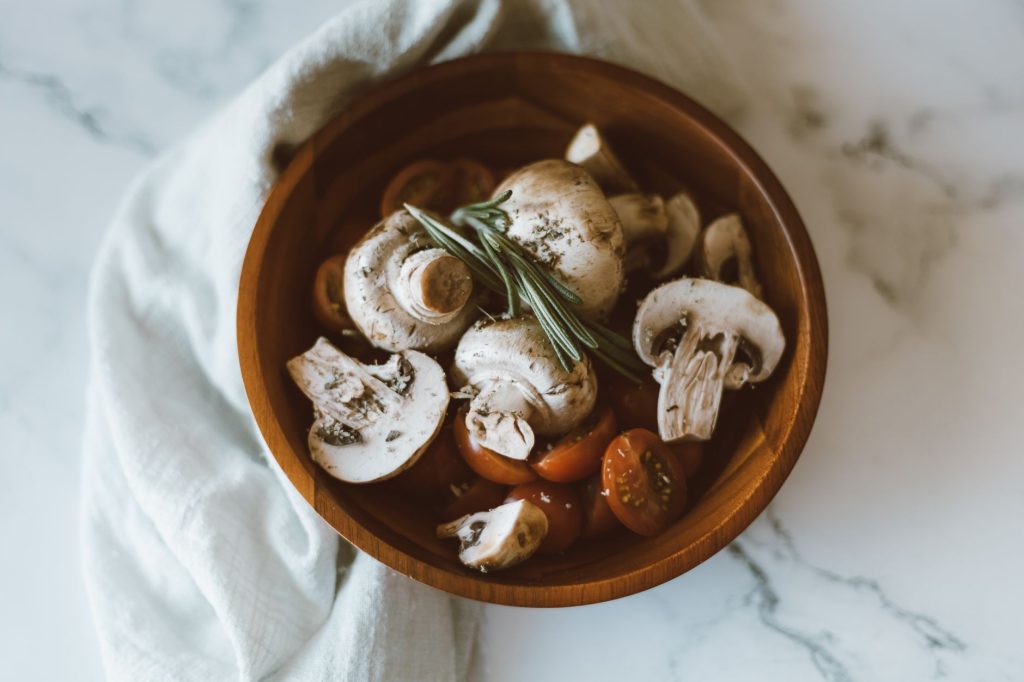
- 250 g fresh mushrooms, such as chestnut or white button mushrooms
- 1 small onion, finely chopped
- 1 garlic clove, finely chopped, optional
- 2 tablespoons olive oil, divided
- 750 ml hot vegetable stock, preferably lightly salted, plus hot water as needed
- 20 g butter, optional
- 30 g finely grated hard cheese, plus extra to serve, optional
- Black pepper and salt, as needed
- A little lemon juice or a small splash of mild vinegar, optional
- Chopped parsley or a pinch of dried thyme, optional
Allow roughly 45–55 minutes overall, with the barley usually simmering for about 30–40 minutes. These are planning guides: the grain, pan and hob can shift the timing. Keep some extra hot water available because the stock quantity is a starting supply, not a target you must pour in.
If you want a vegetarian meal, choose a hard cheese made with vegetarian rennet. For a dairy-free bowl, omit the butter and cheese and finish with a little olive oil. The barley itself will provide body, though the sauce will be less rich.
1. Brown the mushrooms before cooking the barley
Wipe away dirt or rinse the mushrooms briefly, then dry them well. Slice them about as thick as a coin, keeping small pieces slightly chunkier so they do not disappear during cooking. Heat one tablespoon of oil over medium-high heat, then add enough mushrooms to form a loose single layer.
Leave them alone until the undersides take on colour, then turn and cook the other sides. If your pan is small, work in two batches. Crowded mushrooms release a pool of moisture; let that water evaporate before expecting browning. Listen for the sound to change from a wet bubbling to a clearer sizzle.
Once the mushrooms have golden edges and smell savoury, season lightly and transfer them to a plate. They need not be crisp. Leave the brown coating on the pan for the next stage, but lower the heat if it starts turning very dark. Burnt patches will make the whole dish bitter.
2. Soften the onion and add the first liquid
Reduce the heat to medium-low. Add the remaining tablespoon of oil and the onion, then cook until softened, stirring occasionally. Add the garlic, if using, for the final minute. A splash of water helps loosen the mushroom coating if the base looks dry.
Tip in the barley and stir for about a minute so the grains are coated. Pour in 400 ml hot stock, scrape the base gently, and bring to a steady simmer. Cover with the lid slightly ajar and lower the heat. You want small, regular bubbles rather than a rolling boil.
Let it cook for about 12 minutes, stirring once or twice and checking that liquid remains around the grains. This first addition gives the barley enough moisture to begin softening without demanding constant attention. Keep nearby while you prepare a salad or clear the chopping board.
3. Add liquid in stages and check the bite
Stir thoroughly across the bottom and into the corners. Add another 200 ml hot stock, then simmer with the lid ajar for roughly 10 minutes more. Check sooner if your pan is wide or the hob is fierce. Add a splash of hot water whenever the barley begins sticking before it is tender.
Now taste a few grains. At this point they may be swollen outside but firm in the middle. Return about two-thirds of the mushrooms to the pan, keeping the rest for the top. Add the remaining stock in smaller splashes, letting the mixture simmer between additions.
During this final stage, stir every few minutes. The spoon releases and distributes starch while helping you feel whether the base is catching. You are looking for barley that is tender throughout with a springy chew. A hard, chalky centre means it needs more cooking and liquid, even if the suggested time has passed.
4. Finish with a loose, glossy sauce
When the grains are ready, assess the liquid before adding anything rich. Drag a spoon through the pan: the channel should close slowly as the barley settles. If the mixture stays in a stiff ridge, stir in hot water a tablespoon or two at a time. If it looks soupy, simmer uncovered briefly.
Take the pan off the heat and stir in the butter and cheese, if using. Rest for two minutes, then stir again. Barley continues absorbing liquid as it stands, so loosen it once more if necessary. Taste before adding salt, especially when using stock cubes and cheese.
A few drops of lemon juice or vinegar can brighten a heavy-tasting sauce; add gradually so it stays savoury. Spoon into bowls, top with the reserved mushrooms and finish with pepper and any herbs. Serve while the sauce still moves easily around the grains.
Make the quantities fit a short stay
For one person, halve the barley, mushrooms, onion and finishing ingredients. Start with 200 ml stock, add 100 ml at the second stage, then use smaller additions to finish. Choose a smaller saucepan and check evaporation carefully. Cooking time will not halve because each grain still needs to soften.
Stock cubes, barley and a small bottle of oil are useful across several rental meals. Use the other half of an onion in an omelette, put leftover mushrooms on toast, and serve any remaining cheese with bread. Skip the herbs or garlic if buying them would leave more behind than you can use.
If you have only one saucepan, warm the stock in it first and transfer it to a heatproof jug before browning the mushrooms. Alternatively, dissolve the stock in freshly boiled water in a suitable jug. Keep additions hot where practical, so each pour does not interrupt the simmer for long.
Cook only what you expect to eat if the rental has no reliable fridge. Otherwise, cool leftovers promptly, refrigerate within two hours and eat within two days. Reheat until steaming hot throughout, stirring in water to restore the sauce. The barley will be thicker the next day, but a little liquid brings it back to a spoonable supper.