A chickpea and spinach skillet is the sort of dinner I like when the kitchen is small and washing up needs to stay manageable. You build a tomato sauce in one pan, fold in drained chickpeas, then wilt spinach into the bubbling base. The result is substantial enough to spoon into bowls, with a little sauce left for bread or rice.
This version makes two moderate main-course portions. It uses a whole tin of tomatoes and a whole tin of chickpeas, so you are not left finding space for half-used tins. The important part is the order: soften the onion, give the tomato base time to lose its raw edge, and add the greens only when the chickpeas are hot.
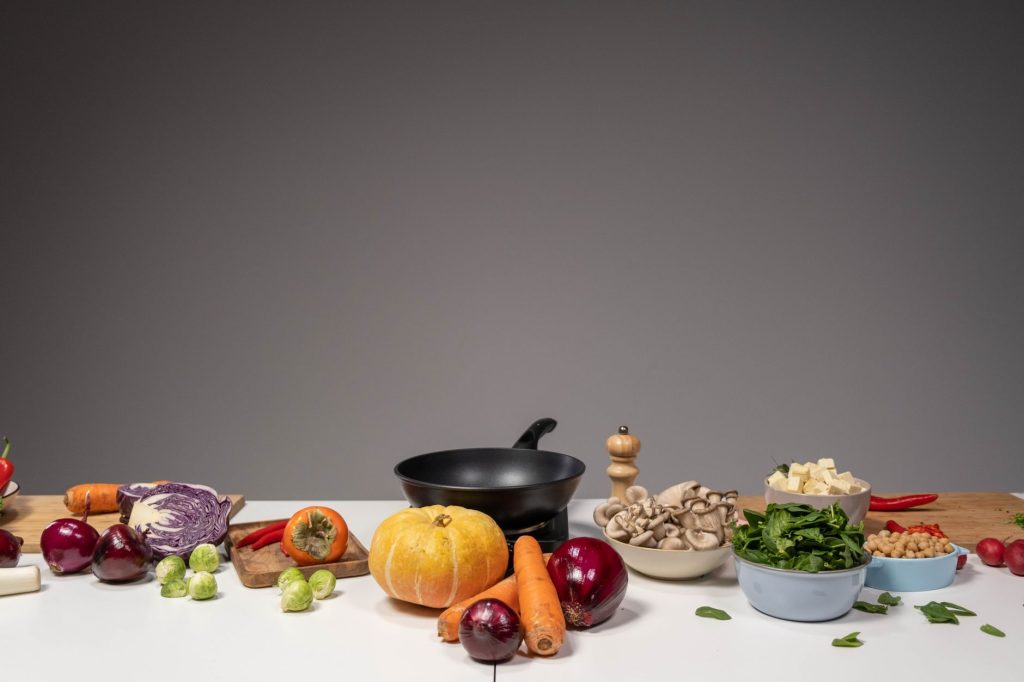
What you need for two
- 1 tablespoon olive oil
- 1 small onion, finely chopped
- 2 garlic cloves, finely chopped or crushed
- 1 teaspoon ground cumin
- ½ teaspoon smoked or sweet paprika
- A pinch of chilli flakes, optional
- 1 tablespoon tomato purée
- 1 tin chopped tomatoes, about 400 g
- 1 tin chickpeas, about 400 g before draining, yielding roughly 240 g drained
- 150–200 g fresh spinach, washed, with any tough stalks removed
- 2–4 tablespoons water, plus more if needed
- Salt and black pepper, to taste
- 1–2 teaspoons lemon juice, to taste, optional
- Bread, cooked rice or couscous, for serving
A little crumbled feta or a spoonful of plain yoghurt is optional at the table. The skillet is also satisfying without either, and keeping the topping separate makes it easy for two people to finish their bowls differently.
Keep the equipment simple
Use a wide frying pan or shallow saucepan with reasonably high sides, a chopping board, a knife and a stirring spoon. A lid helps the spinach wilt, but you can manage without one by adding it in smaller batches and turning it through the hot sauce. Keep a tablespoon nearby for measuring and tasting.
A sieve makes draining chickpeas straightforward. If you do not have one, open the tin, hold its lid securely over most of the opening and carefully pour away the liquid. Watch the sharp edge. Rinse with a little drinking water and drain again if convenient; rinsing is helpful but not essential to making the recipe work.
Chop the onion and garlic before you start cooking. Drain the chickpeas and check the spinach for grit. If the leaves need washing, shake off excess water so you do not accidentally dilute the sauce. You can leave tender baby spinach whole; roughly chop larger leaves.
Build the tomato base
- Warm the oil in the pan over a medium heat. Add the onion with a small pinch of salt. Cook for about 6–8 minutes, stirring regularly, until softened. If it catches before it softens, lower the heat and add a spoonful of water.
- Add the garlic, cumin, paprika and optional chilli flakes. Stir for about 30 seconds, just until fragrant. Do not let the garlic brown heavily or the spices scorch.
- Stir in the tomato purée and cook for another minute, moving it around the pan. Pour in the chopped tomatoes, then use a little of the measured water to rinse the remaining tomato from the tin into the pan.
- Bring to a gentle bubble, reduce the heat and simmer uncovered for 8–12 minutes. Stir occasionally, scraping along the bottom. The sauce should become thicker and smell rounded rather than sharply of raw tomato.
Use the texture as your guide alongside the timings. A wide pan reduces sauce faster than a narrow one, and some tinned tomatoes contain more liquid than others. You want a loose sauce that coats the spoon, not a dry paste. Add water a tablespoon at a time if the base starts sticking.
Heat the chickpeas, then wilt the spinach
Add the drained chickpeas and stir until they are coated in tomato. Simmer gently for about 5 minutes, giving them time to heat through. For a slightly thicker sauce, press a spoonful of chickpeas against the side of the pan with your stirring spoon, then mix them back in. Leave most whole for texture.
Add the spinach in two or three handfuls. Fold each addition into the sauce and let it collapse before adding more. If using a lid, cover briefly between additions, then uncover and stir. The pan may look impossibly full at first, but the leaves quickly shrink.
Once all the spinach is wilted, simmer uncovered for another minute or two if it has released a lot of water. Stop when the sauce clings to the chickpeas but still pools slightly around them. Avoid prolonged cooking at this stage, which makes the greens dull and soft.
Adjust the seasoning in the pan
Taste a chickpea with some sauce once it has cooled enough to eat. Add salt in small pinches, stirring and tasting between additions. Tinned ingredients vary in saltiness, so a fixed final amount is less useful than checking the finished mixture. Add black pepper to suit you.
If the flavour seems heavy or flat, stir in a teaspoon of lemon juice and taste again. If the tomatoes are already quite sharp, skip the lemon and give the sauce a few more minutes over a low heat. A small pinch of sugar can soften persistent sharpness, but add it only after tasting.
For more heat, add chilli flakes sparingly and let them sit in the warm sauce briefly before judging. For a milder bowl, use sweet paprika and finish with yoghurt. Add stronger seasonings before serving rather than expecting a topping to correct an underseasoned base.
Make the portions work for your appetite
Divide the skillet between two bowls, making sure each gets chickpeas as well as sauce. Serve bread alongside for scooping, or spoon it over rice or couscous. If your cooking space has only one hob, bread is the simplest choice; prepare any grain first if you need the same burner for the skillet.
For two hungry people, increase the chickpeas to about 350–400 g drained and add a splash more water. Taste again after heating them through. This makes the dish more substantial without requiring a second tin of tomatoes. Check that your pan has room before adding the spinach.
Frozen spinach also works. Use about 100–150 g, thaw it and squeeze out excess water, then add it after the chickpeas are hot. Break up any clumps and cook until hot throughout. Its texture will be softer than fresh leaves, but it blends readily into the tomato sauce.
Save and reheat any extra
If you have leftovers, transfer them to a shallow container, refrigerate within two hours and use within two days. Store bread and cold toppings separately. Reheat the skillet mixture in a pan with a splash of water, stirring until steaming hot throughout. Taste once more before serving: a little pepper or lemon can help the reheated bowl feel freshly finished.