A late arrival in Taipei can make a cheap room feel expensive if reaching it involves a missed connection, a locked door or a long walk with a suitcase. For the first night, I would put an easy arrival ahead of a fashionable neighbourhood or a packed sightseeing plan. The aim is modest: get through the door, eat something simple and sleep well enough to enjoy the city tomorrow.
Build that evening backwards from the accommodation entrance. Confirm who will let you in, work out the last part of the journey and decide what happens if your flight is delayed. Once those pieces are secure, choosing breakfast and a first walk becomes much more enjoyable.
Start with the door, not the room photograph
Before booking, distinguish between a reception desk that stays open overnight and a property that merely accepts late arrivals by arrangement. Both can work, but the second needs clear instructions. A booking confirmation alone may not tell you how to enter a small guesthouse above shops or collect a key after the host has left.
Give the property your expected arrival time at the building, rather than your aircraft’s landing time. Immigration, baggage collection and the journey into Taipei all come between those two moments. Ask what to do if you arrive later than expected and whether the late check-in arrangement carries an additional charge.
- Is someone available when I expect to arrive?
- If reception is closed, how do I enter the building and collect my key?
- Will I need a working phone, mobile data or an access code?
- What identification or payment is required at check-in?
- Who should I contact if the entrance is locked?
Save the answers somewhere you can read without a connection. Keep access codes private, and make sure any instructions apply to your particular booking. If the response is vague, an easier property may be worth choosing even when its advertised room rate is higher.
Choose a location for the journey you will actually make
Check which airport appears on your ticket. Taoyuan International Airport and Taipei Songshan Airport require different arrival plans; a room described as convenient for one is not automatically convenient for the other. Also check whether your accommodation is in Taipei itself or elsewhere in the wider urban area.
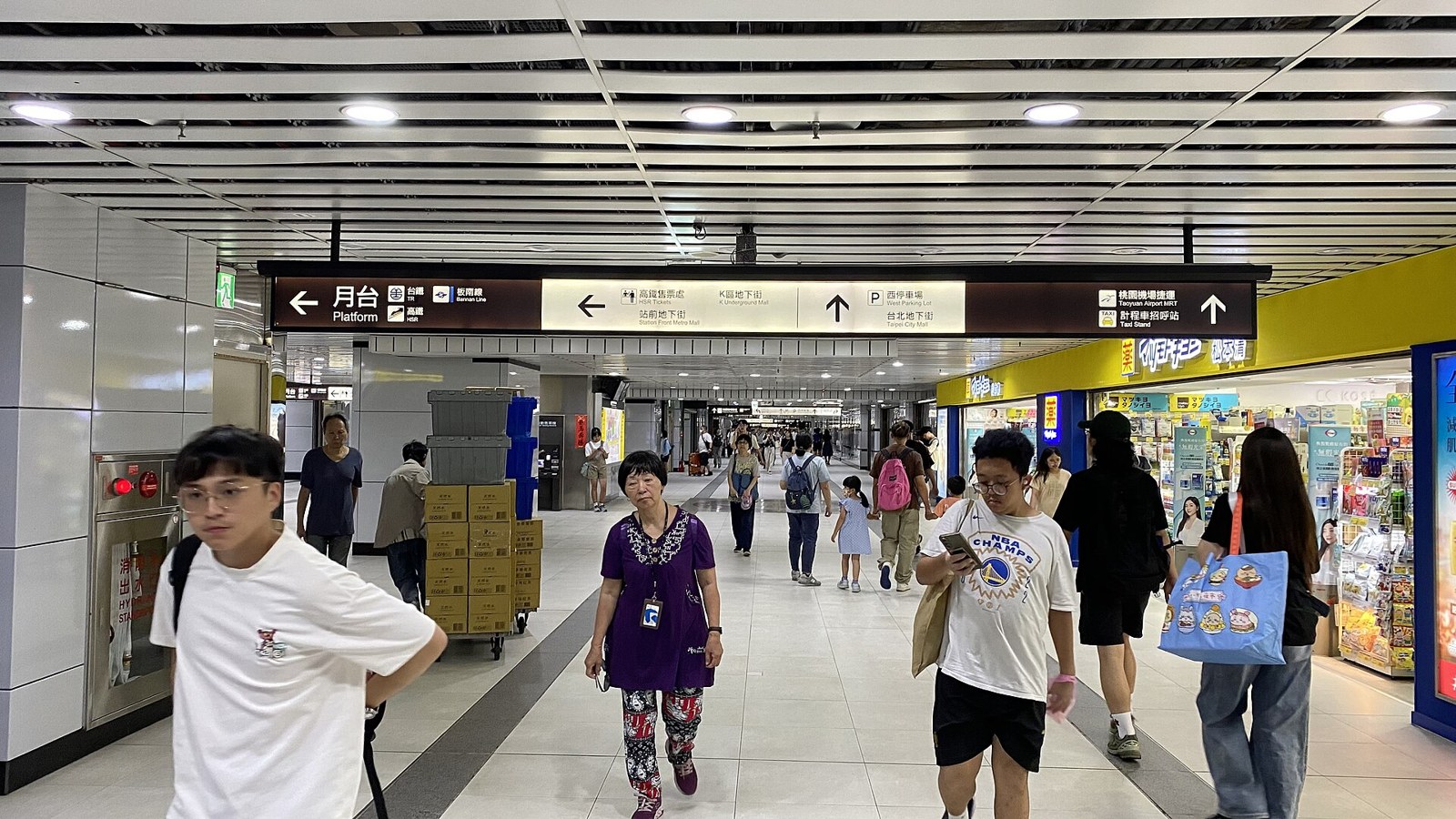
For a short stay, being near useful transport can reduce both walking and the temptation to pay for extra rides. However, “near Taipei Main Station” is a starting point for investigation, not a complete set of directions. The station area is large, and the route from your arrival platform to your hotel can matter more than the straight-line distance on a map.
Compare the whole first-night cost: the room, any check-in charge and a realistic way to reach it. A cheaper bed across town may offer little saving if its location forces a late taxi journey. For a very late landing, accommodation closer to the arrival airport can also deserve consideration, provided you confirm how to get there after dark.
Make a transport plan with a clear fallback
Do not assume that trains or buses will still be running when you clear the airport. Check the relevant operator’s timetable for your travel date before departure, including the final service that works for your destination. Leave room for delays rather than building the evening around catching the very last departure.
If public transport fits comfortably, save the service name, destination, interchange and final walking route. If it does not, decide in advance whether you will use an authorised airport taxi or an arranged transfer. Confirm the destination and how the fare or charge will be established before setting off.
Your fallback should be simple enough to use when tired. For example: take the planned train if there is comfortable time; otherwise follow airport signs to the official taxi arrangements. Avoid making a complicated chain of late connections the only affordable way to reach your bed. Keep some payment flexibility, since one card or phone should not be your entire arrival plan.
Find the right exit and the actual entrance
A station name does not tell you which side of a busy road you will emerge on. Ask the accommodation for the most convenient exit when carrying luggage, and check whether that route offers a lift or escalator where you need one. The closest exit may involve stairs, while a slightly longer route may be easier with bags.
Save the property’s address in Chinese as well as English, its telephone number and a screenshot showing the entrance. If it occupies an upper floor, note the building name, floor and doorway details. A street-level shop sign may be more visible than the accommodation’s own sign, so ask for a specific landmark if the entrance is unclear.
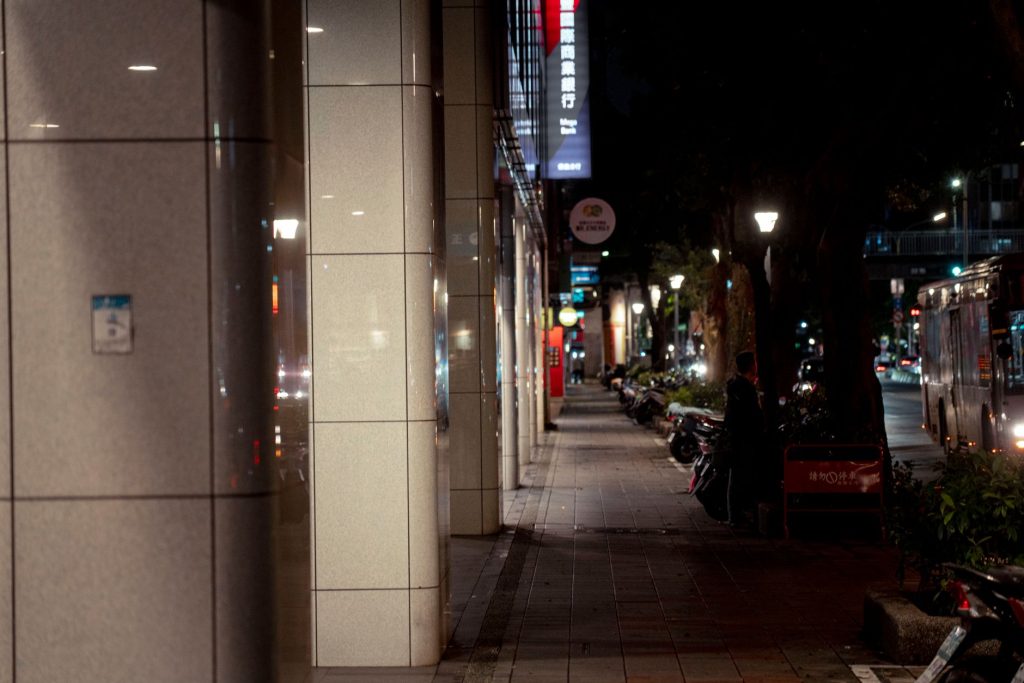
Read the final walk before leaving the station. A route that crosses several large roads or depends on an unfamiliar underground passage deserves a closer look. Use the accommodation’s directions alongside a map, and keep both accessible offline. If you become unsure, stop somewhere well lit to check rather than wandering farther with your luggage.
Check what “luggage access” really means
A listing that mentions a lift may still have steps between the pavement and the lift lobby. Ask about the complete route to your room, especially if you have a heavy case, limited mobility or a child in a pushchair. Include any staircase between reception and the sleeping floors.
In a hostel, check how late arrivals enter the dormitory, where larger bags go and whether a locker needs your own padlock. Pack your night essentials together so you can settle in quietly without emptying everything beside sleeping guests. Earplugs, a charger and tomorrow’s clothes are useful to have within reach.
If you plan to change accommodation the next day, confirm checkout and luggage storage arrangements too. Ask when stored bags can be collected and whether there is a charge. Moving hotels for a small saving can consume a surprising amount of your first morning.
Give dinner a small, dependable role
Your first meal does not need to be a food expedition. Night markets are part of Taipei’s appeal, but individual stalls and opening hours vary. Treat a market visit as an option if you arrive with energy, rather than the only way you will get dinner.
Ask reception for a simple nearby meal that is likely to be available at your arrival time. A convenience store can be a useful fallback for a snack, a drink or something straightforward to eat, but check what is actually open along your route. Choose food that suits your appetite after travelling, and buy drinking water before settling into the room.
If you have an allergy or dietary restriction, carry a clear explanation in Chinese and allow time to ask about ingredients. When communication is difficult, packaged food with information you can understand may make the evening easier. Keep a small travel snack in reserve so a closed kitchen does not turn into an urgent search.
Leave the first morning pleasantly loose
Before sleeping, check the checkout time, set an alarm if needed and choose just one morning anchor: breakfast nearby, a neighbourhood walk or the journey to your next accommodation. Put any essential tickets and travel documents together. Everything else can wait until you know how rested you feel.
A successful first night in Taipei is often uneventful. You found the correct door, got your bags upstairs and ate without a long detour. That is a useful foundation for a budget trip: fewer avoidable expenses, fewer decisions made through exhaustion and a first morning that belongs to the city.