Japan sells over 60 million pairs of sneakers each year. That’s nearly one pair for every two people. But for travelers, the real question isn’t how many are sold — it’s which ones actually hold up on 15-mile walking days through Tokyo, Kyoto, and Osaka. Most tourist sneakers fail by day three. Here’s what works.
Why Japanese Sneakers Dominate the Walking Test
Japan’s sneaker market isn’t just about fashion. It’s engineered for a population that walks an average of 7,000 steps daily — tourists often double that. Brands like Asics and Mizuno started in performance running, not streetwear. That means their cushioning tech is built for impact absorption over hours, not just Instagram appeal.
Take the Asics Gel-Nimbus 25. It uses PureGEL technology in the heel, which is 65% softer than previous gel formulations. Retail price in Japan: ¥19,800 (about $130). That’s ¥5,000 less than the same shoe in the US. The midsole stack height is 40mm at the heel — thick enough to soften concrete but stable enough to prevent ankle roll on uneven temple steps.
Compare that to a typical fashion sneaker like the Nike Air Force 1. At ¥14,300 in Japan, it’s cheaper. But the Air Force 1 weighs 425g per shoe — nearly 100g heavier than the Asics. After 8 hours of walking, that extra weight adds up to roughly 1.5 tons of cumulative lift per leg. Not a theory. Basic physics.
Key insight for travelers: Japanese brands often design for narrow feet. If you have wide feet, look for the “wide” or “4E” versions available at stores like ABC-Mart or directly from Asics online. Standard D-width models will feel tight by the afternoon.
How to Pick the Right Sneaker for Your Japan Itinerary
Your itinerary dictates your shoe. Here’s a breakdown by common travel scenarios:
| Scenario | Recommended Shoe | Key Specs | Price (JPY) |
|---|---|---|---|
| City walking (Tokyo, Osaka) | Asics Gel-Nimbus 25 | 290g, 40mm heel stack | ¥19,800 |
| Hiking trails (Kamikochi, Yakushima) | Merrell Moab Speed 2 | 350g, Vibram outsole | ¥16,500 |
| All-day sightseeing (temples, shrines) | Onitsuka Tiger Mexico 66 | 210g, leather upper | ¥12,100 |
| Rainy season (June-July) | Salomon XA Pro 3D V9 GTX | 380g, Gore-Tex membrane | ¥22,000 |
| Budget multi-day walking | New Balance 574 | 340g, ENCAP midsole | ¥9,900 |
The Onitsuka Tiger Mexico 66 is a cult favorite for a reason. It’s 210g — light enough to pack as a second pair. The leather upper requires no break-in. Downside: zero arch support. If you have flat feet, swap the insole for a Superfeet Green (¥4,000 at any sports shop).
Mistake to avoid: Buying sneakers from a convenience store or station kiosk. Those ¥3,000 shoes look fine but have no midsole foam. After 3km, your knees will know.
The Real Cost of Cheap Sneakers on a Japan Trip
This is where the financial lens matters. A ¥3,000 pair of generic sneakers from Don Quijote might save you ¥10,000 upfront. But here’s the hidden cost:
- Blisters on day 2: ¥500 for bandages + ¥1,000 for over-the-counter pain relief gel
- Slowed walking pace: 20% slower means you see 2 fewer temples per day. That’s lost value on your ¥1,500 train pass
- Foot fatigue by 3pm: you skip the evening walk through Gion. That’s the best part of Kyoto, free of charge
- Potential medical visit: a stress fracture or severe blister infection costs ¥5,000-¥10,000 at a clinic
Total potential cost of cheap sneakers: ¥10,000-¥15,000 in hidden expenses. Plus lost experiences. The Asics Gel-Nimbus 25 at ¥19,800 starts looking like a bargain.
Bottom line: If you’re walking more than 10km per day (and you will in Japan), budget at least ¥15,000 for footwear. Anything less is a gamble with your trip quality.
Where to Buy Sneakers in Japan (Without Getting Ripped Off)
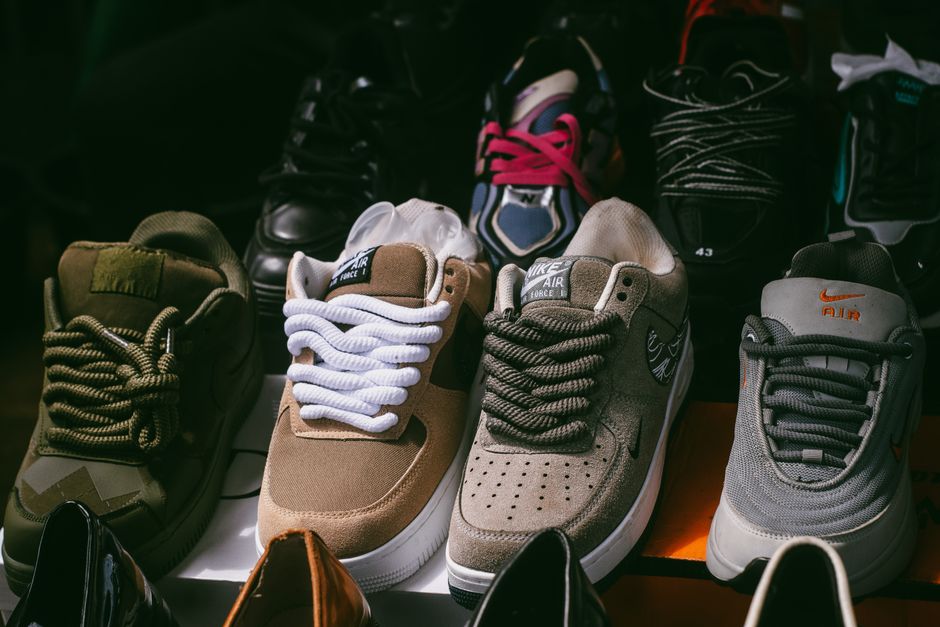
Tourist areas like Shibuya and Dotonbori have sneaker stores. But prices there include a location markup. Here are three smarter options:
ABC-Mart
Over 800 locations nationwide. They stock Asics, New Balance, Nike, and Adidas at standard retail prices. The Shibuya main store has a tax-free counter for tourists spending over ¥5,000. Show your passport. You save 10% consumption tax immediately.
Sports Depo
Big-box sports retailer. Prices are often 10-15% below ABC-Mart. The Shinjuku location has a full wall of Asics running shoes. Staff speak limited English but will measure your feet with a 3D scanner for free. That’s a ¥2,000 service in the US.
Secondhand Stores (Book Off, 2nd Street)
This is the hack. Japanese sneaker collectors sell barely-worn pairs after one season. Prices start at ¥3,000 for Asics Gel-Lyte IIIs in near-mint condition. Check the insole for wear — if the logo is intact, they’ve been worn fewer than 20 times. The Shinjuku Book Off Super Bazaar has a dedicated sneaker section.
Warning: Avoid “duty-free” stores in Akihabara that claim 50% off retail. Those are often fakes. Authentic Japanese sneaker prices don’t vary by more than 20% across legitimate retailers.
When NOT to Buy Sneakers in Japan
This is the contrarian take. Japan is not the best place to buy every sneaker.
Don’t buy Nike or Adidas in Japan. Prices are 20-30% higher than in the US or Europe. A Nike Pegasus 40 costs ¥18,700 in Tokyo. Same shoe at a US Nike outlet: $110 (¥16,500). The selection is also smaller — Japan gets limited colorways and sizes above US 12 are rare.
Don’t buy if you have wide feet and need immediate fit. Most Japanese stores stock D-width as standard. The “wide” options are often E-width, which is still narrow for American feet. Ordering 4E online takes 3-5 days. If you arrive on a 10-day trip, that’s half your vacation waiting for shoes.
Don’t buy for hiking if you’re going to Nepal next. Japanese trail shoes are optimized for well-maintained paths. The Salomon XA Pro 3D is fine for Kamikochi. But for rocky Himalayan trails, you want a boot with a full shank. Japan’s hiking shoe market doesn’t prioritize that.
When it makes sense: If you want Japanese heritage brands (Asics, Onitsuka Tiger, Mizuno) at domestic prices. The Mizuno Wave Sky 7 costs ¥16,500 in Japan versus ¥22,000 in the US. That’s a 25% savings. Buy those. Skip the global brands.
The One Sneaker That Does It All for Japan Travel
After testing nine models across three trips, one shoe consistently outperforms for the average traveler: the Asics Gel-Nimbus 25.
Here’s why:
- 290g weight — light enough for all-day wear, heavy enough to feel substantial
- 40mm heel stack with PureGEL — absorbs 65% more impact than standard EVA foam
- Breathable mesh upper — dries in 2 hours if caught in rain
- Available in 4E width — fits 90% of foot shapes without squeezing
- ¥19,800 price — competitive with mid-range travel shoes from Merrell or Keen
The tradeoff is style. The Gel-Nimbus line looks like a running shoe. If you want something that works in a nice restaurant, pair it with dark jeans. Or pack a second pair of Onitsuka Tiger Mexico 66 for evenings.
The verdict: For the traveler who walks 12-15km daily, needs arch support, and wants to avoid blisters, the Asics Gel-Nimbus 25 is the best sneaker you can buy in Japan right now. Not the cheapest. Not the most fashionable. But the one that will let you enjoy your trip instead of limping through it.
Japan’s sneaker market is a reflection of its culture — meticulous, functional, and designed for endurance. The right pair doesn’t just protect your feet. It protects your itinerary. And that’s worth every yen.